
SKU: 42561


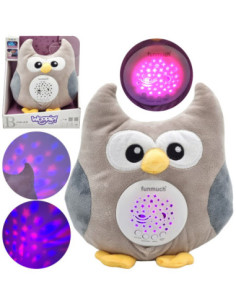
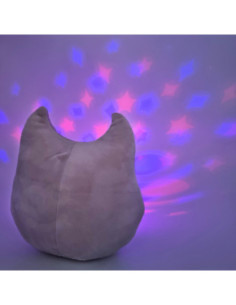
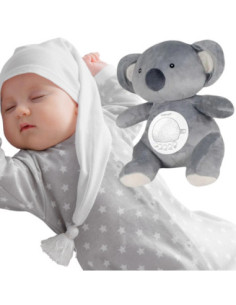

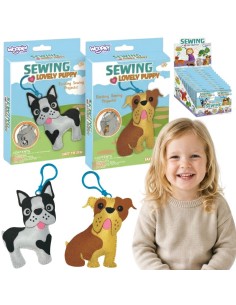
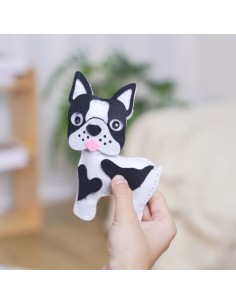
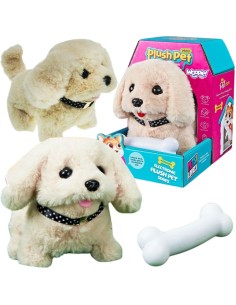
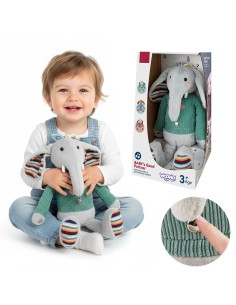
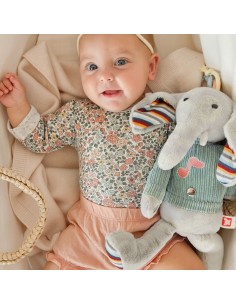
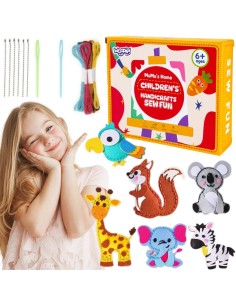
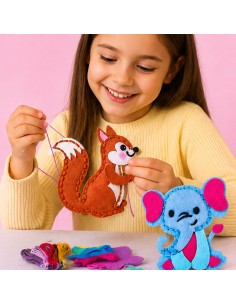
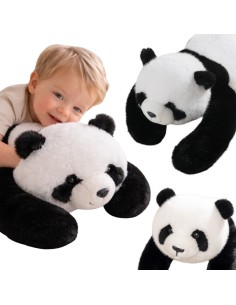

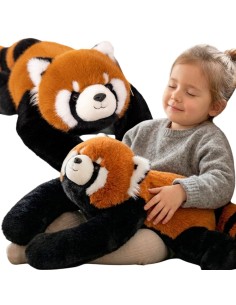
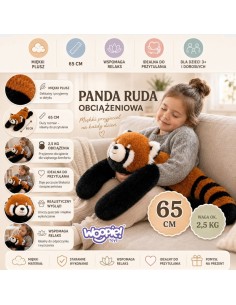
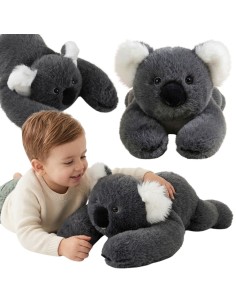


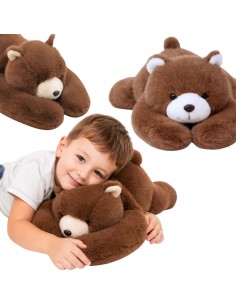

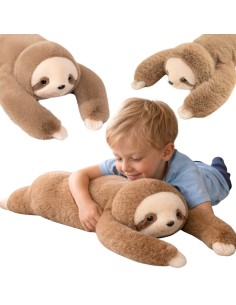
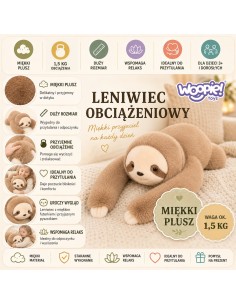


Mascots and plush toys are one of the most dependable product groups in a toy wholesaler’s B2B assortment. They combine emotional appeal, broad age relevance and strong gift potential, which makes them attractive for online stores, marketplace sellers and partners building a stable, fast-moving offer. Soft textures, recognizable shapes and friendly characters help these products stand out in photos, convert well in e-commerce and keep customers interested throughout the year.
For retailers, this category works especially well because plush products are easy to present, easy to understand and easy to match with many shopping occasions. They can be sold as everyday cuddly companions, seasonal gifts, collectible characters, impulse add-ons or larger premium items. That flexibility gives sellers more room to build margins, create bundles and rotate stock in a controlled way.
Plush products are a classic example of emotionally driven purchase behavior. Customers often choose them not only for their appearance, but also for the comfort, familiarity and sense of fun they bring. This is important in B2B sales, because it means the same category can support different retail strategies: a store can focus on low-priced impulse items, a gift-oriented selection, or a broader family assortment with multiple price points.
From a wholesale perspective, the advantage is clear. These products are versatile, easy to display and suitable for repeat purchasing. A well-structured plush range can help a seller maintain a steady offer, refresh the catalog regularly and respond quickly to seasonal demand peaks without rebuilding the category from scratch.
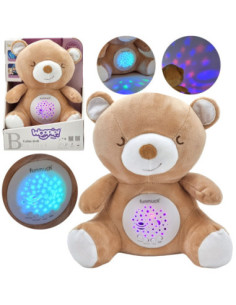
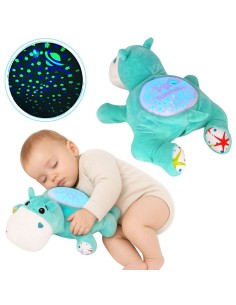
In e-commerce, product presentation matters as much as the product itself. Mascots and plush toys benefit from clear silhouettes, soft materials and expressive details that look good in photos. This makes them well suited to listings where customers rely on images, short descriptions and visual comparison before buying.
For store owners, that means less friction at the point of sale. A plush item is usually straightforward to explain, easy to categorize and simple to present in variants such as size, color, character or style. That helps reduce customer questions and improves the speed of decision-making in online channels.
The category also supports cross-selling. Small plush toys can be used as add-ons to increase basket value, while larger mascots can serve as main gift products. Sellers can build themed collections, seasonal assortments or character-based groups that encourage repeat visits and larger orders.
When shoppers choose a plush toy, they pay attention to details that are both visual and tactile. Softness, stitching quality, shape, facial expression and finishing all influence how the product is perceived. A well-made mascot does not have to be complicated to sell; it just needs to feel pleasant, look friendly and present itself clearly in the listing.
Durability is also important. In retail channels, customers often expect plush items to hold their shape, stay attractive after regular use and remain comfortable over time. For that reason, products with neat finishing, balanced proportions and recognizable design usually perform better than generic alternatives. For sellers, this means better customer satisfaction and fewer issues after purchase.
Gift readiness is another major benefit. Plush toys are naturally associated with celebrations, birthdays, holidays and small surprises. That makes them suitable for stores looking for products with broad emotional appeal and consistent demand across multiple sales periods.
Mascots and plush toys fit well into modern multi-channel sales. They are easy to list in an online store, simple to duplicate across marketplace platforms and practical to manage in larger product catalogs. For sellers working with Allegro, Amazon, Erli or Empik Marketplace, the category is especially useful because the product structure is usually easy to standardize.
It also works well for dropshipping businesses. When a product range includes ready descriptions, product images and synchronized inventory data, sellers can publish offers faster and reduce manual work. This is particularly valuable in categories where a wide assortment and quick updates matter more than complex technical specifications.
XML integration and automatic stock and price synchronization help keep the offer consistent across channels. That means fewer oversells, fewer listing errors and more reliable product availability for customers. For B2B partners, this kind of automation is often the difference between a category that looks attractive and a category that can scale profitably.
A strong plush category should not be built around one type of buyer only. Successful sellers usually combine several purchasing motives: everyday comfort toys, collectible characters, gift items, decorative mascots and larger feature products. This mix helps balance turnover and gives the shop a broader commercial reach.
Price segmentation is equally important. Lower-priced plush items can act as traffic builders and cart fillers, while mid-range and larger models can drive margin and improve average order value. With the right mix, a retailer can serve both spontaneous buyers and customers searching for a more substantial present.
It is also worth organizing the assortment by theme. Animal figures, fantasy characters, classic cuddly companions or seasonal motifs can each speak to a different audience. Clear product grouping improves navigation, makes the offer easier to understand and helps buyers find what they want faster.
For online sales, the most effective plush listings are usually those that combine visual clarity with simple, useful information. Customers want to know what the product looks like, how big it is, what it feels like and who it is suitable for. When this information is presented clearly, conversion tends to improve.
Good photos are essential, but so are ready-made descriptions that explain the benefits in a way that makes sense to end customers. A seller who receives complete content can publish faster, maintain consistency across multiple channels and reduce the time needed to prepare a new category or update an existing one.
For trade partners, this is also a practical operational advantage. Instead of creating product content from scratch, they can focus on pricing, promotion, assortment planning and channel expansion. That makes the plush category especially suitable for businesses that want to move quickly and keep their catalog active.
Plush toys are a flexible category and can serve many retail goals at once. A shop may use them to attract first-time buyers, support seasonal campaigns, or offer a broad family-friendly selection that works across different age groups. Distributors can also use them to build dependable core stock with recurring demand.
Common use cases include gift-focused assortments, low-threshold add-ons, themed collections, character-driven product lines and items designed for impulse buying. Because the category is broad, it is easy to tailor the offer to the shop’s target audience without making the assortment too narrow.
This flexibility matters for resellers and distributors who need products that can move in several directions at once. A well-chosen plush range can support retail campaigns, marketplace listings and dropshipping offers while remaining manageable in day-to-day operations.
For B2B buyers, this category is attractive not only because it sells well, but because it is manageable. Plush products are usually easy to sort, easy to present and easy to maintain in a live catalog. When inventory data is synchronized automatically, sellers can keep their listings accurate without constant manual intervention.
That creates a smoother workflow for online stores and trade partners. Product updates can be applied faster, offer gaps are reduced and the catalog remains more reliable for customers. Combined with ready product photos and descriptions, this makes the category efficient from the first listing to ongoing replenishment.
In practice, this means less operational friction and more time for sales optimization. Retailers can test different price points, adjust product mixes, run channel-specific promotions and react quickly to demand changes without losing control of the assortment.
Mascots and plush toys have a rare combination of qualities: they are simple to understand, emotionally engaging, visually attractive and commercially adaptable. That is why they remain a reliable part of many successful toy assortments. They may look straightforward, but in retail they play an important role in driving traffic, increasing basket size and supporting repeat demand.
For wholesalers and B2B partners, the category offers a strong balance between assortment breadth and sales practicality. It can be used to strengthen core product lines, expand marketplace presence and support multi-channel strategies with content that is ready to publish.
When combined with XML integration, automatic stock and price synchronization, and prepared product images and descriptions, plush toys become even more effective as a scalable category. Sellers can launch faster, maintain accurate listings and offer customers a pleasant, easy-to-buy range that works across multiple channels.
As a result, this category is a solid choice for businesses that want dependable turnover, broad customer appeal and a product line that can be developed in a structured, profitable way. It is one of those ranges that performs well both as a standalone category and as part of a larger toy portfolio.