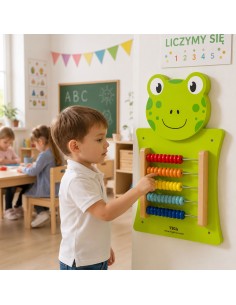
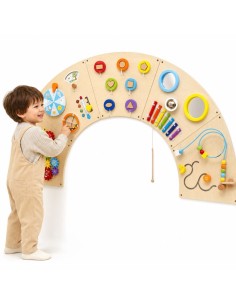
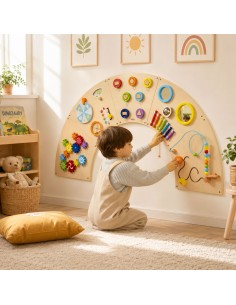
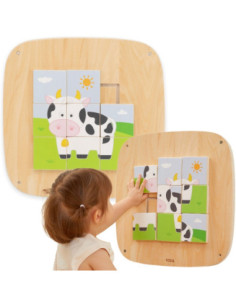
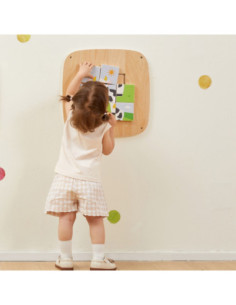
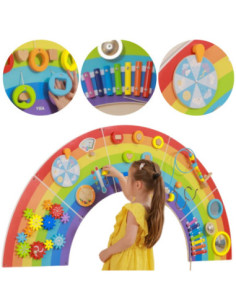
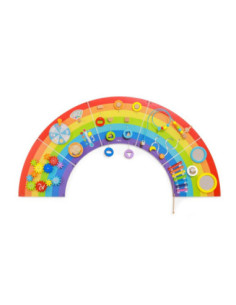
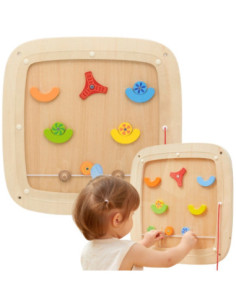
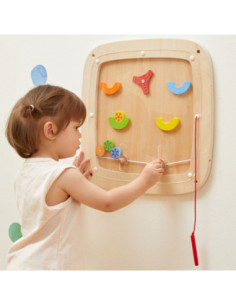
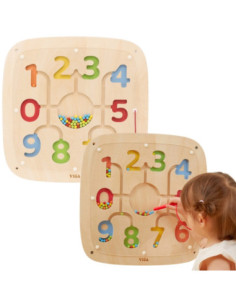
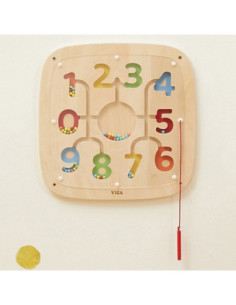
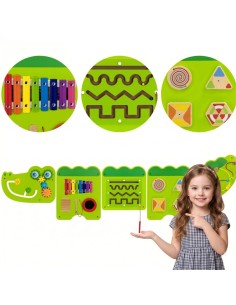
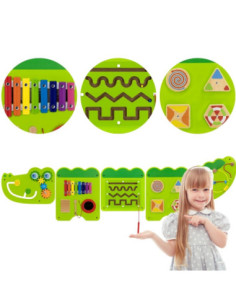
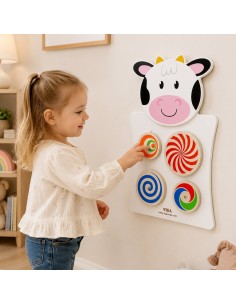
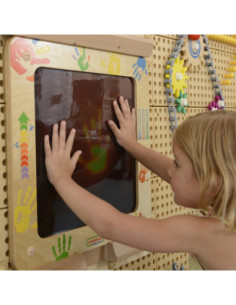
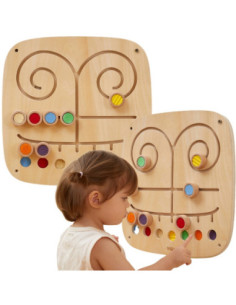
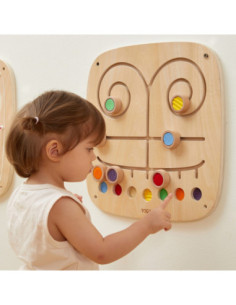
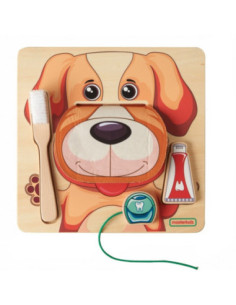
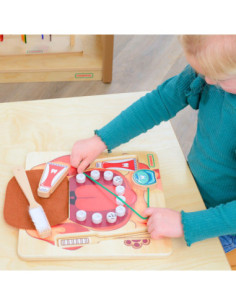
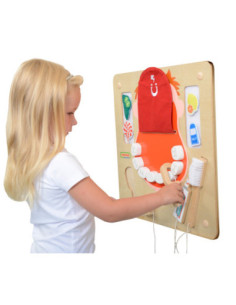
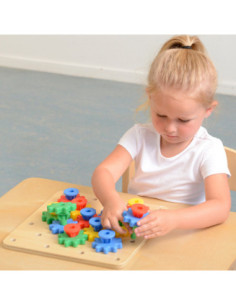
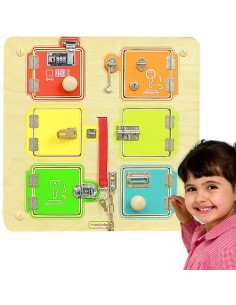
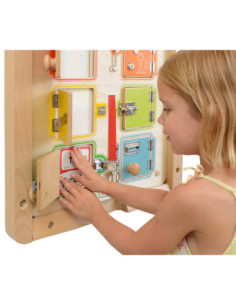
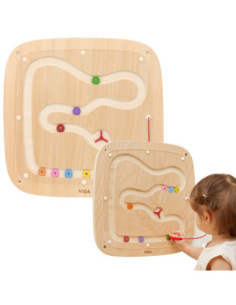
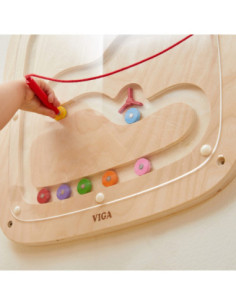
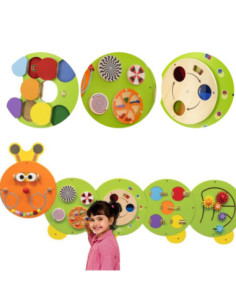
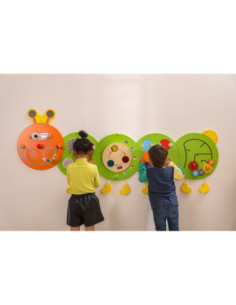
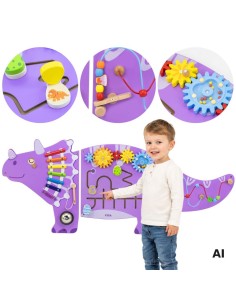
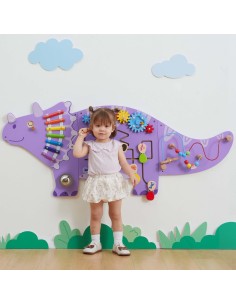
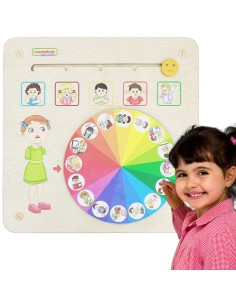
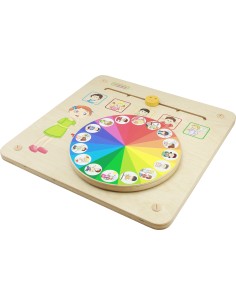
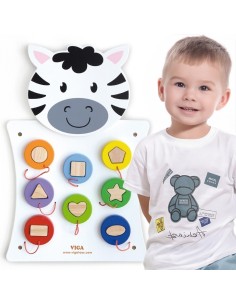
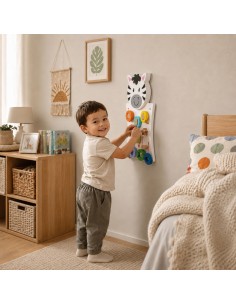
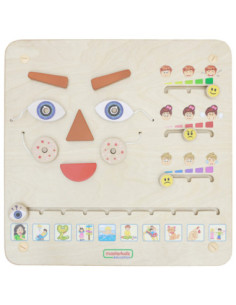
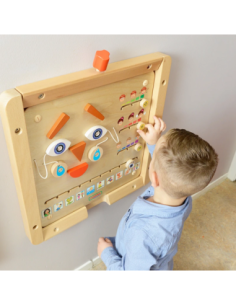
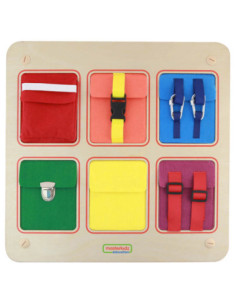
Manipulative boards are a practical category for B2B toy wholesalers who want to offer products that are easy to present, easy to understand and highly attractive to parents looking for engaging everyday play. These boards are designed to invite children to touch, turn, slide, fasten and discover, creating a hands-on experience that keeps attention focused for longer than many passive toys. For online stores, resellers and marketplace sellers, that makes them a strong, clearly positioned addition to an educational toy assortment.
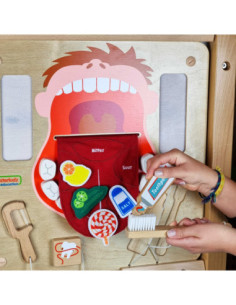
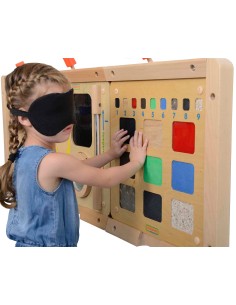
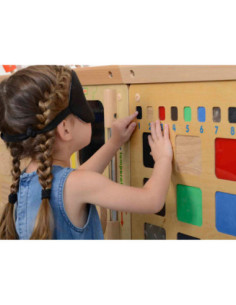
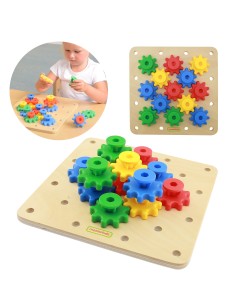
In wholesale supply, manipulative boards stand out because they combine learning value with strong visual appeal. Each product usually offers multiple interactive elements that support fine motor activity, hand-eye coordination and curiosity-driven play. Depending on the model, children may explore locks, switches, knobs, laces, wheels, buckles, gears or other simple mechanisms that encourage repetition and build confidence through action. This makes the category especially relevant for customers searching for toys that support development in a calm, structured way.
Why manipulative boards sell well in B2B channels
For trade partners, the key advantage of manipulative boards is their broad commercial potential. They appeal to parents, gift buyers, educational retailers and stores focusing on developmental play. They are also easy to explain in product listings, which helps conversion on online shops and marketplaces. A customer does not need long persuasion to understand the value: it is a toy that gives the child something meaningful to do while supporting everyday skills.
Because the assortment usually includes different layouts and difficulty levels, sellers can build a varied offer suited to different age groups and customer budgets. Some boards are simpler and work well as first sensory and manipulation toys, while others offer more complex task combinations for children who already enjoy repeated interaction and challenge. This variety helps wholesalers and distributors present a stronger, more flexible range to retail partners.
What children learn through play
Manipulative boards are often chosen for the way they naturally encourage repeated movement. A child may return to the same element many times, testing how it works and improving control with each attempt. That process supports fine motor skills, grasping, finger strength and bilateral coordination. It also helps children understand cause and effect, since every action creates a visible result.
Another important benefit is focus. Instead of overwhelming the child with random stimuli, the board offers a sequence of clear tasks. This makes play easier to follow and often more soothing. For families looking for toys that support concentration, patience and independent activity, this category is a strong match. In some cases, such toys are also selected for children who need additional support in sensory and developmental practice, because the repetitive structure can be helpful in therapeutic or rehabilitation-oriented routines.
Product features that matter to buyers
When customers compare manipulative boards, they usually pay attention to several practical details. First is the type of elements included. The more varied the mechanisms, the more opportunities for exploration and longer-lasting interest. Second is build quality: stable construction, smooth edges and durable components are especially important in toys intended for repeated use. Third is the overall size and arrangement of the board, which influences whether it works better at home, in a nursery-like setting or as a travel-friendly activity item.
For B2B buyers, these features matter not only because of child use, but also because they affect return rates, customer satisfaction and product presentation. A board that looks clear, sturdy and intuitive is easier to photograph, easier to describe and easier to sell. That is why manipulative boards often perform well in stores that rely on strong product pages and quick, informative listings.
A category suited to educational and developmental retail
Manipulative boards fit naturally into educational toy ranges, Montessori-inspired assortments and stores focused on motor development. Their value is not limited to entertainment. They help create an atmosphere where play is seen as purposeful activity. This is particularly attractive in modern retail, where many shoppers actively search for products that combine enjoyment with skill-building.
For sellers, that means a category with clear positioning. It can be marketed as a developmental toy, a concentration aid, a fine motor activity product or a thoughtful gift item. Because of this flexibility, the category works well in product collections, landing pages and thematic categories built around learning, sensory exploration or preschool development.
Assortment planning for online stores and wholesalers
In wholesale and marketplace trade, assortment structure matters. Manipulative boards can be used as a core category or as part of a broader educational toy section. A balanced selection should include products with different levels of complexity, different themes and different visual styles so that retailers can match them to their own customer profile. This helps resellers build a stronger offer without overloading the store with too many nearly identical items.
It is also useful to plan the category from a sales point of view. Simpler models can work well as entry products, while larger or more feature-rich boards can support higher basket values. For seasonal campaigns, they can be promoted as birthday gifts, holiday gifts or developmental presents for young children. This makes the category commercially versatile and suitable for rotation throughout the year.
How product content helps sales
Online sales depend heavily on clarity. Manipulative boards benefit from ready-made descriptions and strong images because buyers want to understand what the board includes and how it works before they add it to the cart. Good content reduces hesitation and lowers the number of pre-sale questions. It also helps resellers present the product consistently across their own store and marketplace channels.
That is especially important for partners selling on Allegro, Amazon, Erli or Empik Marketplace, where concise and informative presentation can influence click-through and conversion. A clear board layout, visible interactive parts and well-structured copy make the item easier to evaluate quickly. For many sellers, this has a direct impact on sales performance.
Support for multi-channel commerce
Manipulative boards are a good fit for multi-channel operations because they are easy to standardize across platforms. When a wholesaler provides product content, image assets and structured data, retailers can publish the same offer across several sales channels with less manual work. That is where XML integrations and automatic stock and price synchronization become especially valuable. They help reduce errors, save time and keep listings aligned with actual availability.
For dropshipping partners and resellers, this kind of support is often a deciding factor. The ability to quickly launch a product, keep stock data updated and maintain clean listings across multiple channels makes the category easier to manage at scale. It also supports faster expansion into new platforms and more efficient handling of changing demand.
Why this category works for trade partners
From a B2B perspective, manipulative boards combine several desirable traits: clear educational value, attractive presentation, repeatable demand and strong fit for digital sales channels. They are products that can be explained simply yet still feel valuable to the customer. That combination is useful for wholesalers, distributors and store owners who want to offer items with a strong balance between usability and sales potential.
For stores building curated educational collections, the category can serve as a reliable anchor. For general toy retailers, it adds a developmental segment that broadens the offer. For marketplace sellers, it supplies a type of product that can be listed with practical search-friendly content and visual appeal. In each case, manipulative boards support a sales model based on clarity and trust.
Choosing the right models for your offer
When selecting products for your catalogue, consider the customer journey. Some shoppers want a simple first board with just a few manipulation elements. Others prefer a more advanced board with multiple mechanisms and varied tasks. The best assortment covers both ends of that spectrum. It gives your store room to target different ages, budgets and play styles without making the category feel fragmented.
It is also worth considering how the product will appear in search and category pages. Boards with a distinctive design, clear activity zones and visible interactive components generally perform better in online presentation. They are easier to understand at a glance and more likely to attract clicks from customers comparing multiple educational toys.
Sales advantages at a glance
For wholesalers and retail partners, manipulative boards offer practical benefits that go beyond the toy itself. They are products with a clear purpose, a strong visual identity and broad compatibility with educational retail strategies. They fit into bundles, themed collections and age-based ranges. They also lend themselves well to automated listing workflows and cross-channel sales operations.
- Easy to position in educational and developmental toy ranges
- Strong fit for product pages with ready descriptions and images
- Useful for Allegro, Amazon, Erli and Empik Marketplace listings
- Suitable for stores using XML integrations and stock synchronization
- Appealing as gift items and repeat-purchase category additions
- Flexible assortment for different ages and play preferences
Category summary
Manipulative boards are a valuable wholesale category for B2B toy sellers who want products that are educational, visually appealing and simple to market. Their interactive design supports fine motor development, concentration and independent play, while their clear structure makes them easy to present in online stores and on marketplaces. With the right product content, image assets and integration support, this category can become a stable part of a multi-channel sales strategy.
For online shops, resellers and dropshipping partners, the category offers a practical combination of demand, usability and catalogue flexibility. It works well in curated developmental ranges, in broader toy assortments and in marketplace listings where fast understanding and strong presentation matter. That makes manipulative boards a reliable choice for trade partners looking to expand their offer with products that are both useful and commercially attractive.