
SKU: 49614
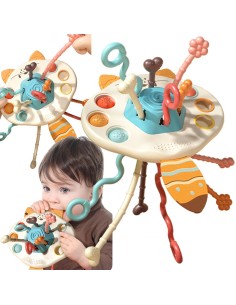
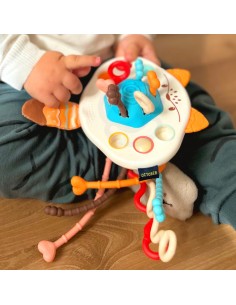
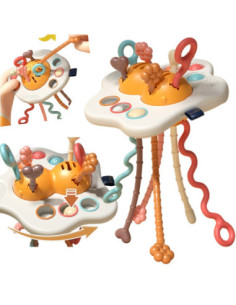
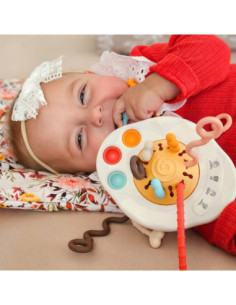
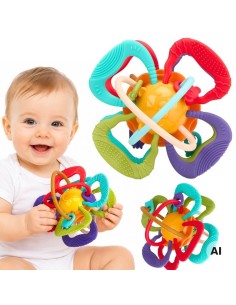
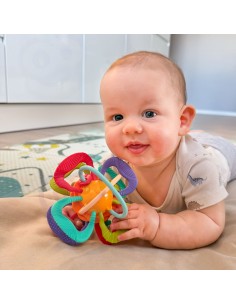


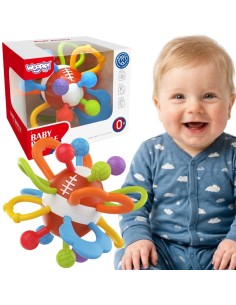
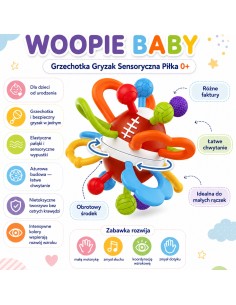


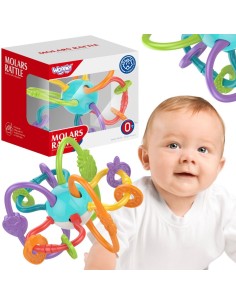
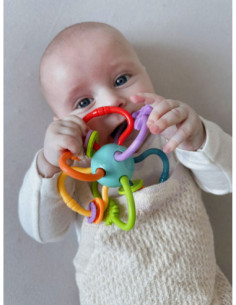
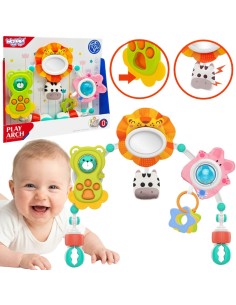

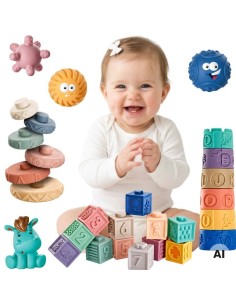
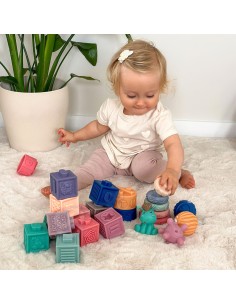
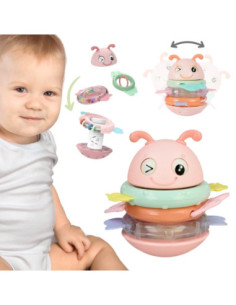
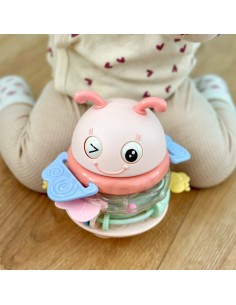

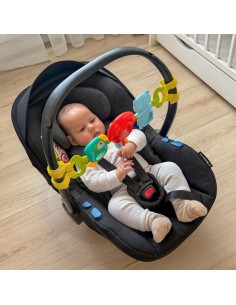

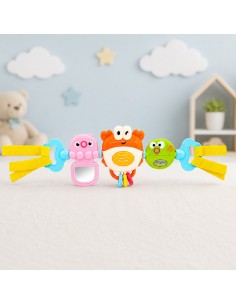
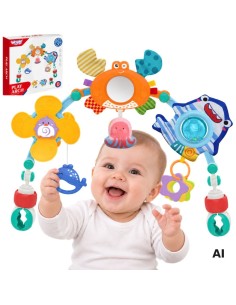
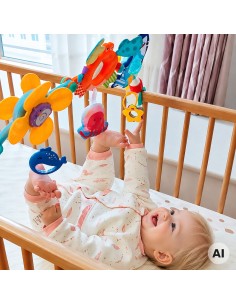
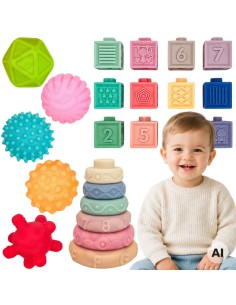
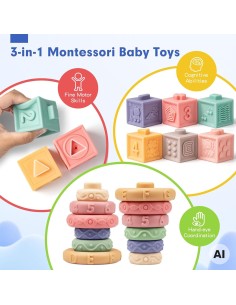

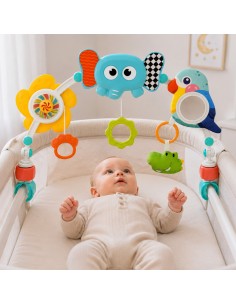
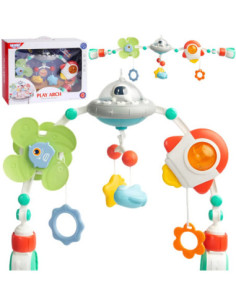

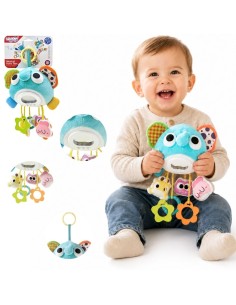
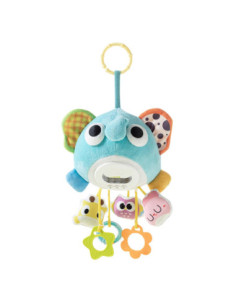
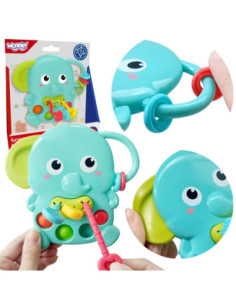
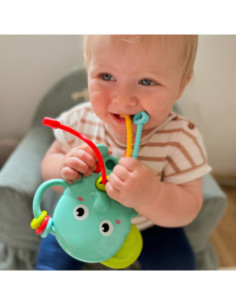


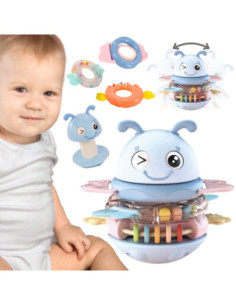

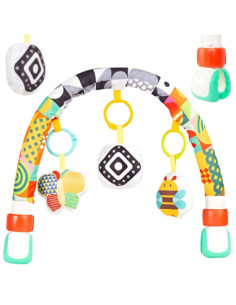

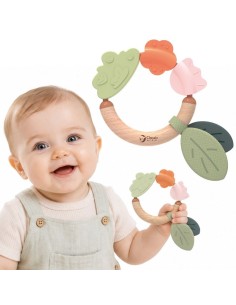
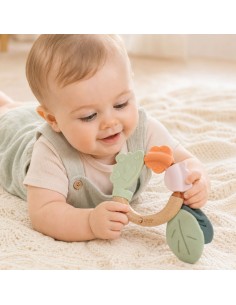
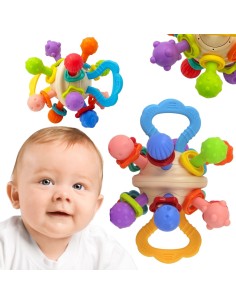
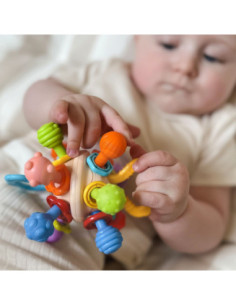
Teethers and rattles are essential products in the infant range because they answer two of the most common early needs: soothing sore gums and supporting first sensory play. For B2B sellers, this category is practical, easy to merchandise and highly relevant in online retail, where parents often search for specific solutions rather than broad toy groups. A well-structured offer of teethers and rattles helps build trust, improves conversion and gives your store a clear product path for babies and young children.
In wholesale, this category works especially well when product information is complete, consistent and ready for quick publication. That is why ready-made product descriptions, quality images and clear specifications matter so much. When you manage an online store, sell on marketplaces or operate in dropshipping, you need items that can be added fast and presented in a professional way. Teethers and rattles are a strong fit for that model because they are frequently purchased, easy to display and simple to categorize by age, material or function.
Teethers are designed to support babies during the teething period, when gums become sensitive and little ones instinctively want to chew. In retail, buyers look for products that are safe, easy to grasp and pleasant to use every day. For that reason, a strong assortment should include different shapes, textures and materials that match the needs of infants at various stages. The best-selling teethers usually combine comfort, functionality and an attractive look that stands out in product listings.
From a sales perspective, teethers are a category with clear purchase intent. Customers are not browsing randomly; they are looking for something that can help right away. This makes the category valuable for online stores and marketplace sellers, because it often converts better when the product page answers the most important questions from the start: what it is made of, how it feels in the hand, whether it is easy to clean and how it supports daily use.
Teethers also perform well in themed collections. Store owners can group them by age, shape or use case, for example daily home use, travel-friendly models or sensory textures. This makes category navigation easier and helps customers compare products more efficiently. In a B2B environment, clear sorting also supports faster onboarding to sales channels such as Allegro, Amazon, Erli and Empik Marketplace, where product structure can influence visibility and search performance.
Rattles remain one of the most recognisable products in the baby toy segment. Their role goes beyond simple sound effects. They help children discover cause and effect, react to stimuli, improve hand-eye coordination and start learning how to hold objects intentionally. For parents, a good rattle should be lightweight, visually appealing and comfortable for little hands. For sellers, it is a product that can easily be presented as a first developmental toy.
Because rattles appeal to both gifting buyers and practical shoppers, they can support a steady flow of orders throughout the year. They work well as individual products, as part of starter sets and as complementary items in baby collections. When the listing includes clear photos, accurate details and a professional description, the buyer can quickly understand why the product belongs in the basket.
Rattles are also useful in stores that aim to build coherent baby departments. They can be presented as first toys, sensory products or items that support everyday baby care. This flexibility is useful when you work with multiple sales channels and need a consistent structure across product feeds, XML integrations and marketplace listings. The easier it is to maintain correct product data, the easier it is to keep the offer aligned with stock and price updates.
For wholesale partners, teethers and rattles are attractive because they combine broad market demand with relatively simple presentation requirements. They are not seasonal in the same way as some other toy groups, and they fit naturally into baby assortments sold by online stores, distributors and resellers. This makes the category useful for businesses that want to expand an infant range without creating a complicated catalog structure.
Another advantage is that the category responds well to automation. If your business uses XML integrations, it is easier to publish updated stock levels, prices and product content across several channels at once. That matters especially for Allegro, Amazon, Erli and Empik Marketplace sellers, where active listings need to remain accurate and competitive. With synchronized inventory and pricing, your team can reduce manual work and focus on merchandising, promotion and order handling instead of repetitive data updates.
Ready product descriptions and matching images also improve the consistency of the offer. Buyers often compare several similar products before deciding, so the quality of the listing can directly affect conversion. In this category, small details such as material, grip, texture, sound level and age suitability help a customer decide whether the product is right for their child. Clear information reduces uncertainty and improves the likelihood of purchase.
A strong category page should help buyers understand the practical value of each item. For teethers, that means highlighting teething comfort, handling and easy cleaning. For rattles, it means focusing on sensory stimulation, early coordination and ease of use. When these points are communicated in a natural way, the shopper receives a clear message without feeling overwhelmed by technical language.
For store owners, this category is also a chance to build useful internal filters and cross-selling paths. A customer looking for a teether may also be interested in a rattle, a soft plush toy or another infant accessory. By organizing products clearly, you make it easier to increase average order value and improve navigation across the baby section. This is especially effective in stores that serve parents who prefer fast, practical buying decisions.
These advantages make teethers and rattles a reliable category for businesses that want to keep their baby assortment active and easy to manage. With the right assortment, you can serve both parents shopping for immediate use and trade partners looking for repeatable, easy-to-list products.
A good wholesale offer should include a mix of product styles that meet different customer expectations. Some buyers prefer simple, classic models, while others look for more decorative or multifunctional items. By offering variety within the same category, you make it easier for retailers to tailor their catalog to different audiences without changing the overall product logic.
For B2B partners, this is especially useful because the same category can serve multiple business models: traditional online stores, marketplace-only sellers, dropshipping companies and distributors. A diversified range gives these partners more flexibility in pricing, presentation and bundling. It also supports faster catalog expansion when they need to add baby products that are easy to explain and easy to sell.
From a merchandising point of view, it helps to present the products in a way that reflects real shopping behavior. Buyers often browse by purpose: teething relief, first sensory toy, newborn gift or travel-friendly baby item. The more clearly you map the assortment to these expectations, the easier it becomes for the store to convert visitors into buyers.
In marketplace sales, success depends on accurate listing data, clear titles and convincing visuals. Teethers and rattles are well suited to that environment because they do not require overly complex explanation, yet they still benefit from precise product presentation. A clean listing can quickly show the item’s value and differentiate it from similar offers.
In dropshipping, this category is equally practical. Small product size, straightforward shipping and broad demand make it easy to integrate into a flexible assortment. When suppliers provide current stock information, images and descriptions, the entire process becomes more efficient. Automatic stock and price synchronization helps avoid outdated offers and supports a smoother customer experience.
For sellers expanding across multiple channels, the category can be prepared once and reused in several places with minimal adjustment. This saves time and keeps the brand presentation consistent. It also reduces the risk of mismatched data between the store, marketplace listings and internal inventory systems.
Parents buying teethers and rattles want confidence. They are looking for products that feel appropriate for a child’s stage of development and comfortable in everyday use. In some cases, the products may also support children who need additional sensory stimulation or gentle developmental support. That is why clear, honest product presentation matters. It helps buyers choose with confidence and reduces uncertainty before purchase.
When you describe the product in practical terms, you make the customer’s decision easier. Explain how it supports chewing, grasping, sensory discovery and early play. Avoid vague promises and focus instead on what the item actually does. This approach works well in B2B retail because it creates trust, improves repeat purchasing and supports long-term category performance.
Teethers and rattles are small products, but they can make a significant contribution to a baby assortment. They serve a real purpose, fit easily into online retail workflows and can be presented in a way that is clear for both parents and trade buyers. For a wholesaler, that makes them an efficient, scalable category with strong cross-channel potential.
With a well-prepared selection, complete product data and reliable stock synchronization, you can keep the category active across your sales channels and offer partners a stable, market-ready range. That is what makes teethers and rattles a valuable part of a modern B2B toy portfolio.