
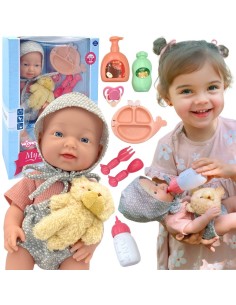
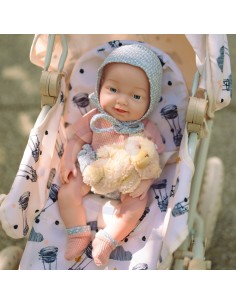
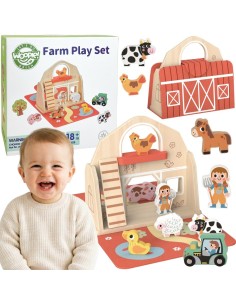
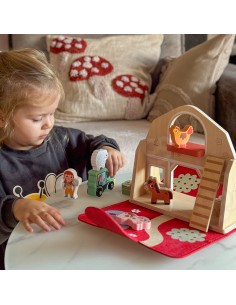
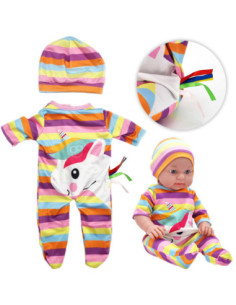
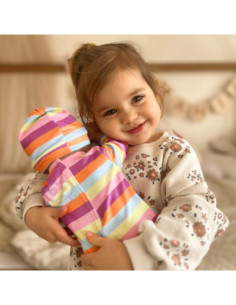
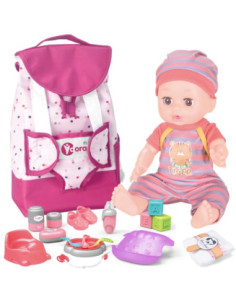
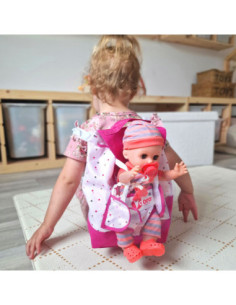
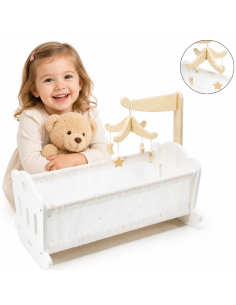
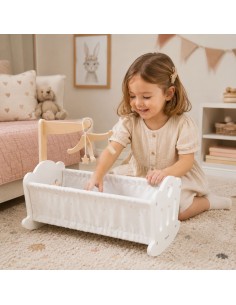
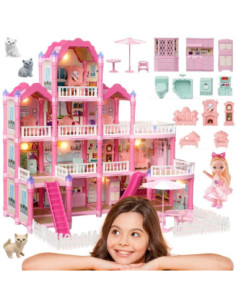
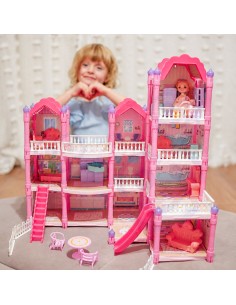

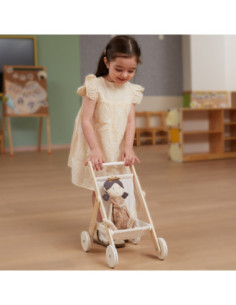

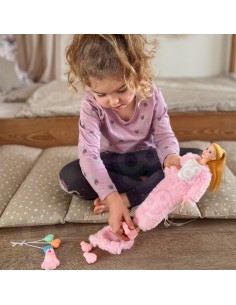
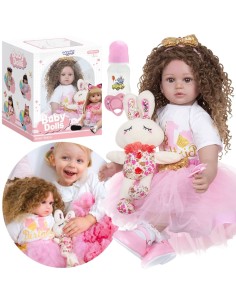
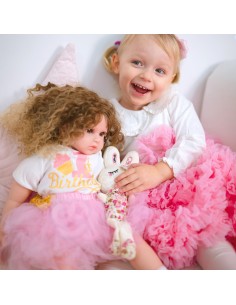



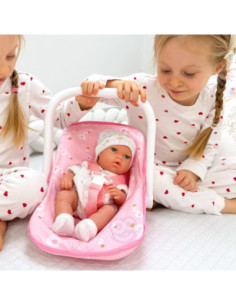
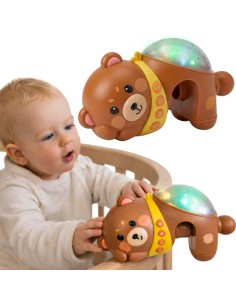
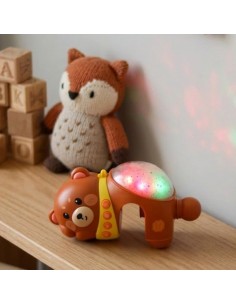
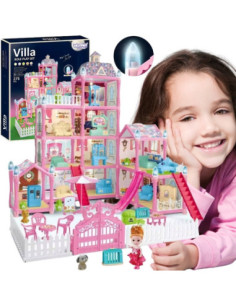
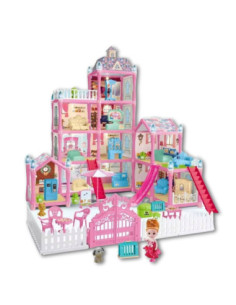
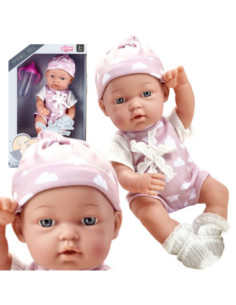
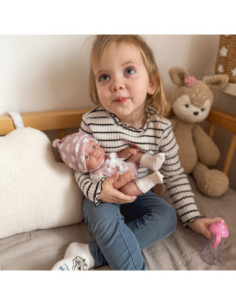
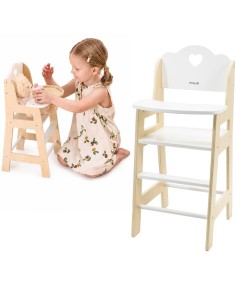
The Dolls and Accessories category is designed for B2B sellers who want to build a strong, easy-to-list toy assortment with high visual appeal and clear sales potential. It brings together products that naturally encourage bundle sales, seasonal promotions and gift-oriented purchases, making it easier to create offers that convert well across online stores and marketplace channels. For wholesalers, resellers and dropshipping businesses, this type of assortment is especially practical because it combines attractive product variety with straightforward presentation and strong repeat purchasing potential.
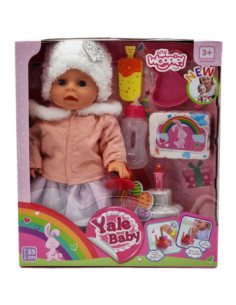
Dolls remain one of the most recognizable and versatile toy groups in retail. They appeal to a wide range of customers because they support many styles of play: caring for a doll, role-playing everyday situations, creating family scenes, styling characters, and building collectible sets. Accessories expand that value by adding additional play scenarios and increasing basket size. From a B2B perspective, this means more opportunities for upsell, cross-sell and themed merchandising without having to build a complicated product structure.
In wholesale distribution, the best categories are those that are easy to present, easy to explain and easy to expand. Dolls and accessories fit that model well. Their assortment can be organised into clear subgroups such as classic dolls, fashion dolls, baby dolls, doll care sets, furniture, clothing, miniature items and everyday play accessories. This helps online sellers publish offers faster and gives trade partners more flexibility when building a catalogue for different customer groups.
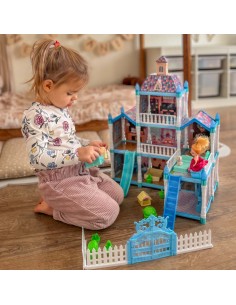
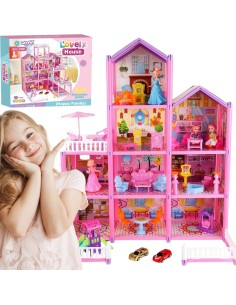
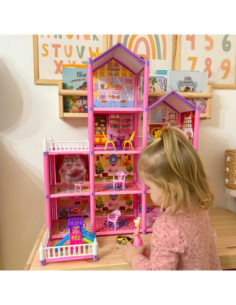
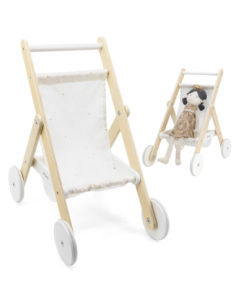
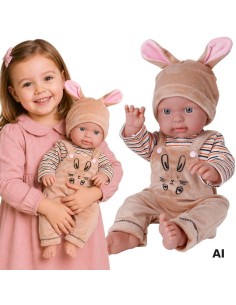
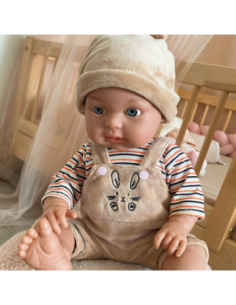
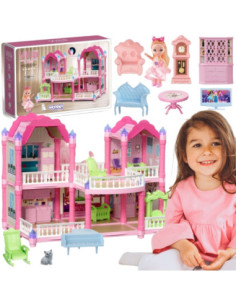
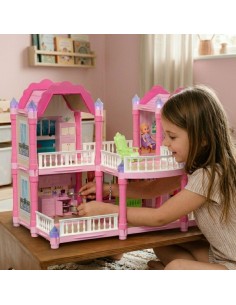
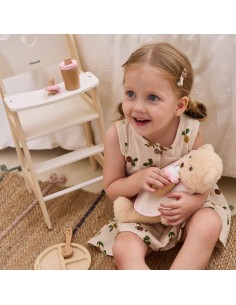
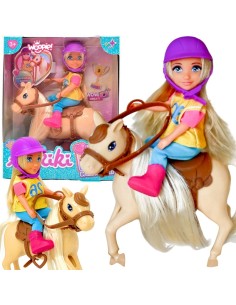
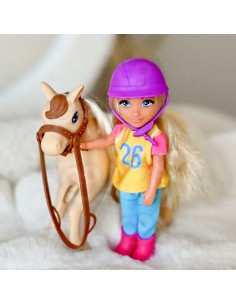
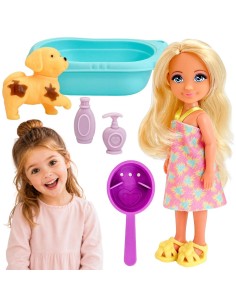
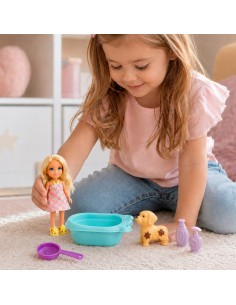
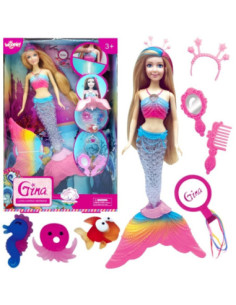
Another advantage is the strong visual nature of the products. Dolls and accessories photograph well, which makes them especially useful for online stores, marketplace listings and social commerce campaigns. When a buyer can instantly understand the style, scale and contents of the set, conversion usually improves. Ready product images and structured descriptions make the entire listing process smoother, particularly for businesses that manage large assortments or multiple sales channels at the same time.
For sellers working with XML feeds and automatic stock and price synchronization, this category is also practical because product families can be updated efficiently. New items can be added to the offer with less manual work, and stock changes can be reflected across platforms more reliably. This is important for Allegro, Amazon, Erli and Empik Marketplace sellers who need to keep product data aligned and reduce the risk of overselling or outdated offers.
The strength of this category lies in its range. Some customers are looking for a simple doll that can be introduced into a basic toy offer. Others want a fully developed play set with accessories that create a more complete purchase. Trade buyers often prefer to stock both types, because it allows them to serve value-focused shoppers and gift buyers at the same time. Accessories are especially useful here, because they make it possible to extend the lifespan of a product line and refresh the offer without changing the core assortment too often.
These groups are useful not only for consumer appeal but also for commercial planning. A reseller can combine lower-priced items with premium sets, while an online store can build a category page with clear price tiers and related product suggestions. This kind of structure supports average order value growth and helps merchants maintain a balanced assortment throughout the year.
Accessories are often the part of the category that turns a simple product listing into a stronger sales opportunity. A doll alone may be enough to satisfy a basic need, but accessories create a reason to buy more. They help customers imagine additional play, encourage gifting and make it easier for sellers to offer a complete solution instead of a single item. For B2B clients, this is valuable because it improves the economics of the assortment without requiring a major change in sourcing strategy.
From a merchandising point of view, accessories also make the catalogue more dynamic. They can be used to build seasonal offers, back-to-school bundles, holiday gift sets and themed promotions around role play or home play. When paired with the right doll, they increase perceived value and give store owners more flexibility in how they position the product. This is particularly useful in multichannel sales, where different marketplaces may require different presentation styles or content lengths.
These benefits matter in both direct e-commerce and marketplace sales. A well-structured doll assortment can attract attention quickly, and accessories can then be used to extend the buying journey. If the product data is complete and the set contents are clearly described, customers are less likely to hesitate before ordering.
This category is particularly useful for businesses that operate across several channels. Online stores need visually clear products with consistent descriptions. Marketplace sellers need offers that can be indexed and compared quickly. Dropshipping companies need assortments that are easy to refresh and simple to synchronize. Dolls and accessories support all of these models because the products are familiar, easy to present and naturally suited to bundled selling.
When product data is prepared in advance, sellers can launch offers faster and keep them updated with less operational effort. That is where ready descriptions and images become a real advantage. Instead of spending time preparing content for every single SKU, merchants can focus on pricing, campaign planning and category management. In a competitive market, that speed can make a meaningful difference.
For companies using XML integration, the category is also well suited to automated catalog management. Product data can be distributed more efficiently across stores, marketplaces and partner systems. Automatic stock and price synchronization helps reduce manual corrections and improves consistency in high-volume sales environments. This is especially relevant when multiple channels are active at once and product availability must remain current everywhere.
Dolls are a stable and proven toy segment because they connect emotional appeal with broad usability. They can be sold as standalone gifts, as everyday play items or as the foundation for larger accessory collections. Some customers look for a first doll for younger children, while others choose dolls for styling, role play or collection building. This diversity makes the category resilient and attractive for trade partners who want products with lasting demand.
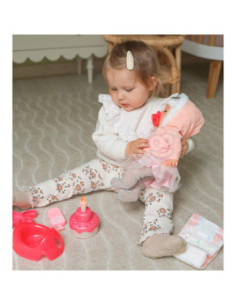
Another important feature is that dolls are often purchased with an intention beyond simple play. They are common birthday gifts, seasonal gifts and items that support imaginative home play. In some cases, they are also chosen for children who benefit from calming, repetitive or nurturing play patterns. The range of uses helps retailers address different customer motivations without having to change the category structure. That versatility is one reason the category performs well in both dedicated toy stores and wider general merchandise offers.
When these elements are combined with a tidy catalogue and consistent pricing, the category becomes easier to manage and easier to sell. That is important for both small shops and larger B2B accounts that need reliable replenishment and predictable rotation.
Themed sets are one of the most effective ways to use this category commercially. Instead of listing every item separately, a seller can present dolls alongside accessories that fit a specific play style. This approach makes the offer clearer to the customer and gives the merchant a way to differentiate products across platforms. For example, a feeding set, care set, wardrobe set or room set can each speak to a different buying motivation while still remaining within the same product family.
Themed presentation also helps with promotional planning. A merchant can build offers for holidays, birthdays or seasonal campaigns without needing to redesign the entire category. The core doll assortment stays relevant, while accessories create reasons for repeat visits and additional purchases. In B2B sales, this helps distributors and resellers maintain a catalogue that is both compact and expandable.
For marketplace sellers, themed bundles can improve product visibility because they provide more detailed and more specific listing content. A buyer searching for a complete solution is more likely to respond to a set than to a single item with little context. That is why complete descriptions, clear contents and consistent product photography matter so much in this category.
Operational efficiency is one of the biggest advantages of sourcing this category from a B2B toy wholesaler. If the assortment is structured correctly, new items can be integrated into an existing workflow with minimal disruption. Product attributes, category logic and content templates can be reused across similar items, which reduces the time needed to publish new offers. That helps stores grow faster and keeps assortments looking coherent.
Automation is especially helpful when the same products are listed in several places. A merchant selling through an online shop, Allegro, Amazon, Erli and Empik Marketplace may need to update prices, titles and availability frequently. With synchronization tools in place, the risk of inconsistency drops significantly. This improves customer experience and reduces the operational burden on the sales team.
In practical terms, that means the category is not just commercially attractive but also easy to manage at scale. It can support both focused toy retailers and broader wholesalers who need dependable products for partner networks. The ability to combine clear presentation, fast updates and repeatable product structures makes it one of the more efficient categories to work with in multichannel commerce.
The category is a strong fit for several types of B2B clients. Online stores benefit from its visual appeal and the ability to build well-structured category pages. Marketplace sellers benefit from easy listing creation and strong bundle potential. Dropshipping companies benefit from content that can be synchronized efficiently. Resellers and distributors benefit from the mix of entry-level products and accessories that can be used to support broader sales strategies.
It is also suitable for businesses that want to expand their toy range without adding unnecessary complexity. Because the products are intuitive for end customers, they do not require extensive explanation. That makes them easier to market, easier to present in campaigns and easier to position within larger catalogues. In a busy sales environment, that simplicity is a practical advantage.
Dolls and accessories form a category with strong retail appeal, flexible merchandising potential and clear B2B value. The product mix supports gift sales, role play, themed bundles and basket expansion, while also fitting the needs of modern multichannel commerce. For wholesalers and trade partners, it offers a balance of recognisable products, easy listing and scalable catalogue growth.
With ready descriptions, product images, XML integration and automatic stock and price synchronization, this category becomes even more efficient to manage across online stores and marketplaces. It is a practical choice for merchants who want to build a dependable toy offer, increase order value and keep operations streamlined across multiple sales channels.