
SKU: 31446


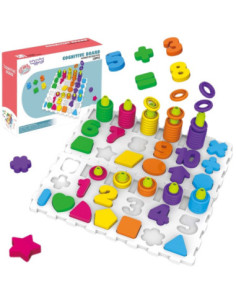
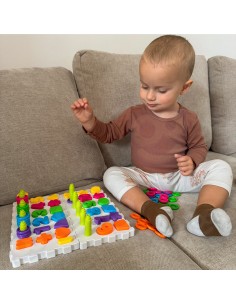
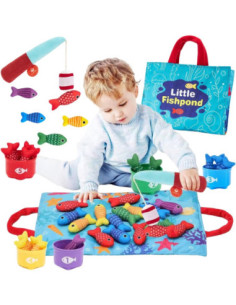
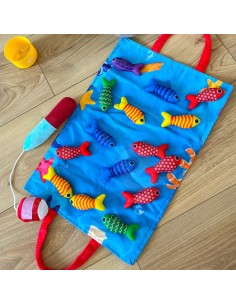
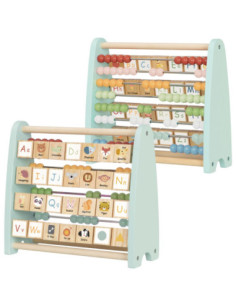
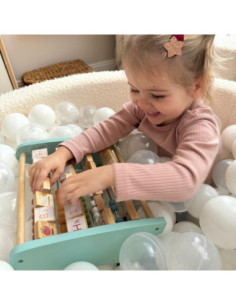
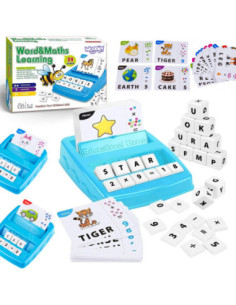
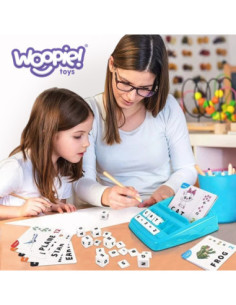
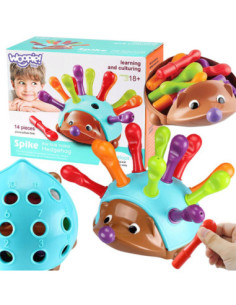




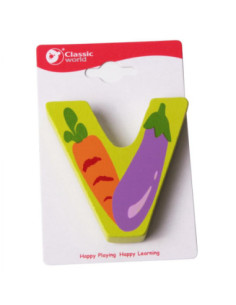
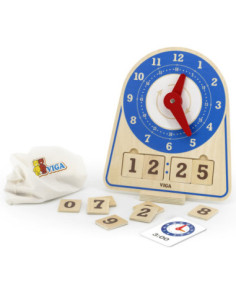
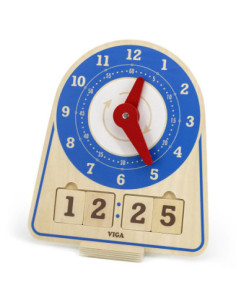
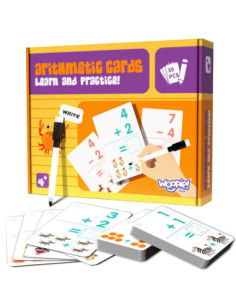
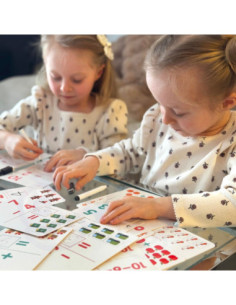
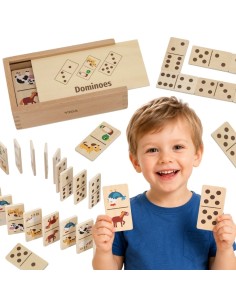
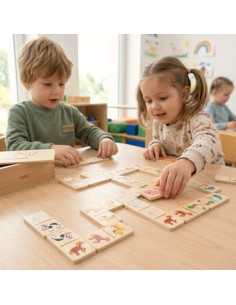
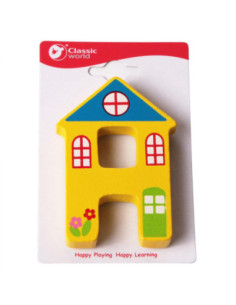
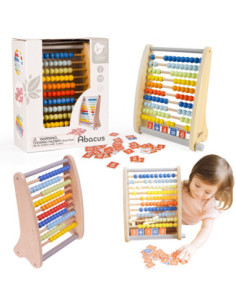
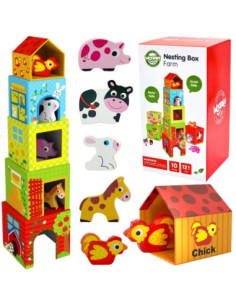
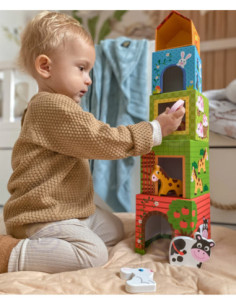
Products in this category are designed to combine learning with engaging play, making them a strong addition to any B2B toy assortment. Verbal and numerical games help children practice language, memory, concentration, logical thinking, and early math skills in a way that feels natural and enjoyable. For retailers and trade partners, this means a category with broad appeal, clear educational value, and high potential for repeat sales across multiple seasons.
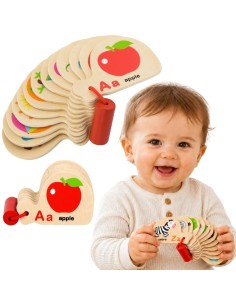
The assortment typically includes word games, letter recognition sets, counting activities, number puzzles, educational cards, matching games, and short-format learning toys that encourage fast, accessible play. These products work well in online shops, marketplace listings, and curated educational collections because they are easy to present by age, skill level, or learning goal. They are also suitable for gifts, classroom use, and home learning, which expands the number of purchasing scenarios.
Buyers often look for toys that support development without feeling like formal lessons. That is exactly why verbal and numerical products perform strongly: they give children a playful way to practice reading readiness, vocabulary building, counting, sequencing, comparison, and simple problem-solving. For store owners, this creates a category that can be positioned as both educational and entertaining, which helps improve conversion and average order value.
These items are especially attractive to parents, teachers, tutors, and childcare providers who want practical tools for everyday learning. In B2B sales, they also offer flexibility: a single category can serve family retail, preschool supply, classroom resources, and seasonal gift campaigns. Because many products are compact and easy to bundle, they can be combined into thematic sets that increase basket size and encourage cross-selling.
Verbal learning products are especially valuable when the goal is to support communication in a low-pressure way. Children can practice identifying words, matching symbols, naming objects, or following simple instructions while staying engaged in the activity. This kind of product is appealing not only for home use but also for preschools, therapy settings, and after-school education where short, structured play is preferred.
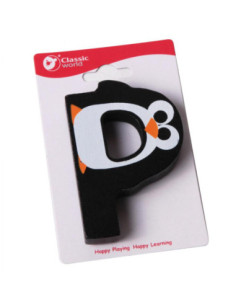
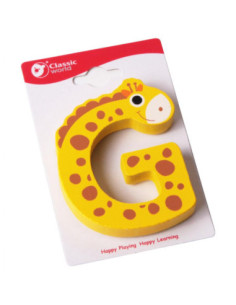
For sellers, it helps to highlight the specific skill each item supports. A well-described product can communicate whether it focuses on speech development, phonological awareness, letter recognition, reading preparation, or word association. Clear categorization makes it easier for customers to find the right item quickly, especially in large catalogs or marketplace environments where browsing time is short.
These products can also be relevant for children who need additional developmental support due to learning differences, health conditions, or slower language acquisition. Toys that encourage speech, attention, and simple recognition tasks can be positioned as inclusive tools for everyday practice and guided learning.
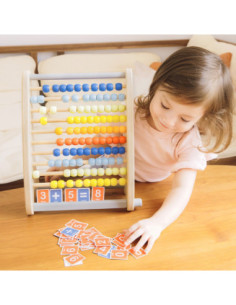
Number-based games and educational toys help children develop confidence with counting, comparing quantities, understanding sequences, and recognizing numerical patterns. They introduce mathematical thinking in a concrete, playful form, which is useful for early childhood education and for reinforcing skills later in preschool and primary school.
From a wholesale perspective, numerical toys are easy to segment by difficulty and purpose. Some products focus on basic counting, while others develop logic, sorting, ordering, and simple calculation. This variety allows retailers to build a ladder of offers: entry-level items for younger children, more advanced sets for school-aged users, and compact learning tools for quick educational play. That structure is useful in online catalogs, marketplace assortments, and multi-brand portfolios.
Products in this group are also popular because they can be sold as part of learning bundles. For example, store owners may combine counting games with alphabet activities, logic puzzles, or general educational sets. This supports both conversion and upselling, especially when the customer is shopping for gifts, school preparation, or home learning materials.
One of the strengths of this category is its versatility. The same product line can serve families at home, teachers in classrooms, and staff in educational or developmental settings. That makes it a practical category for B2B wholesalers, resellers, and distributors who need products with multiple use cases and clear customer value.
In the home environment, these toys support playful learning during daily routines. In preschool or school settings, they can be used for guided activities, small-group work, or independent practice. For sellers, this flexibility means the products can be presented not just as toys, but as learning tools that fit different buying intentions. That broader positioning is often useful in storefronts, catalog pages, and marketplace listings.
Because many verbal and numerical products are compact, the category also works well for fast-moving online sales. They are easy to display, easy to describe, and often affordable enough to encourage impulse purchases. When combined with ready-made product images and descriptions, this can speed up listing creation and help partners launch offers more efficiently.
To sell this category effectively, it is important to explain what the child gains from the product and how the play experience works. Customers usually want practical answers: what skill is developed, what age group is suitable, how long a session takes, and whether the activity can be played alone or in a group. Listings that answer those questions clearly tend to perform better and reduce hesitation before purchase.
Store owners can improve presentation by grouping items into collections such as beginning letter games, first counting activities, logic and sequence toys, or school-ready learning sets. This makes browsing easier and helps customers compare products more quickly. It also supports cross-selling because shoppers often buy more than one item when the range is logically organized.
For marketplace sellers, concise and accurate descriptions are especially valuable. Verbal and numerical toys benefit from strong keyword relevance, clear age guidance, and simple benefit statements. That is why this category works well across channels such as Allegro, Amazon, Erli, and Empik Marketplace, where structure and visibility have a direct impact on conversion.
As a B2B toy wholesaler, we know that speed and accuracy are essential for online commerce. That is why product categories like this one are especially suitable for automation and integration. XML feeds, automatic stock updates, and price synchronization help reduce errors and save time when listing or refreshing products across multiple platforms.
Ready product descriptions and images also make it easier to launch the assortment in a consistent way. This is particularly useful for dropshipping businesses, resellers, and partners working with more than one sales channel at the same time. When product data is already structured and easy to import, it becomes simpler to expand assortment coverage without increasing manual workload.
For trade partners managing large catalogs, category clarity is a major advantage. A well-organized verbal and numerical section makes it easier to assign products to the right audience, update availability, and align listings with the needs of each sales channel. This supports both operational efficiency and better customer experience.
There are several effective ways to present this category in a shop or catalog. One practical method is to sort products by learning goal, such as speech support, counting practice, logic training, or combined educational play. Another option is to organize items by age group so that customers can quickly identify suitable products. Both approaches help reduce friction during shopping and make the assortment easier to navigate.
It is also useful to prepare thematic bundles. A bundle might include a word game, a number activity, and a logic puzzle, creating a stronger educational offer than a single item alone. This can improve order value and make the category more appealing to gift shoppers or institutions that want several complementary products at once.
Verbal and numerical toys answer a clear customer need: children want fun, and adults want development support. This combination makes the category commercially strong and highly adaptable. It works well in retail shops, educational stores, online catalogs, and marketplace storefronts because the value proposition is easy to understand and easy to communicate.
For wholesalers and trade partners, the category offers stable long-term potential. Educational products remain relevant throughout the year, and demand often rises during back-to-school periods, holidays, and gift seasons. Since many customers return to upgrade skills or buy more advanced items, repeat purchasing is common. That makes this a dependable category for stores that want practical, easy-to-merchandise, and broadly appealing products.
With structured product data, flexible assortment planning, and support for multi-channel selling, this category can be integrated efficiently into an online sales strategy. It combines educational value, strong market demand, and good merchandising potential, which is exactly what many B2B partners look for when expanding a toy portfolio.