
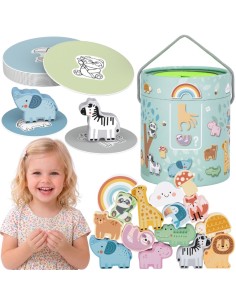
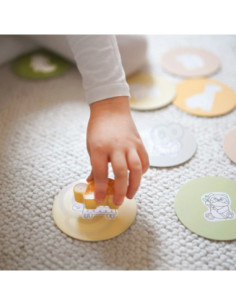
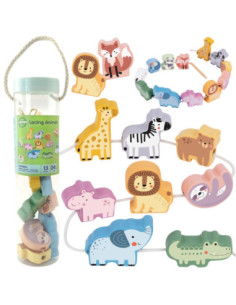
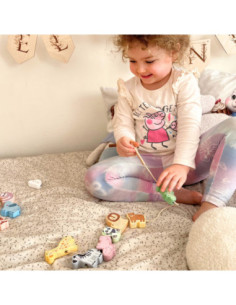
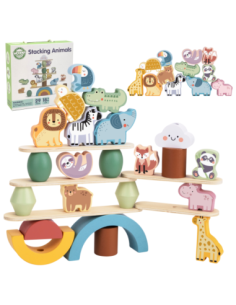
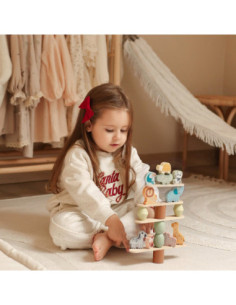
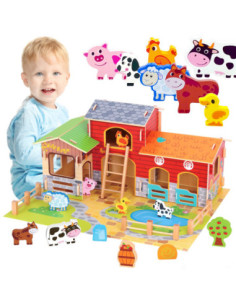
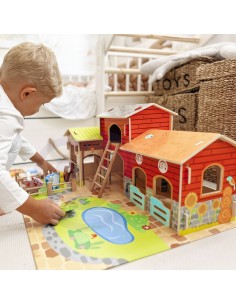
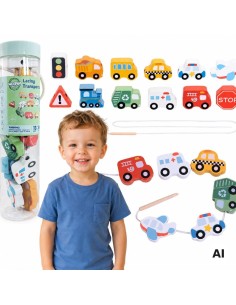
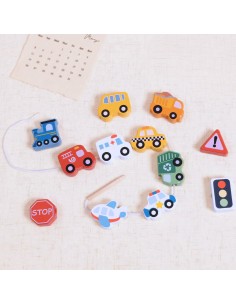
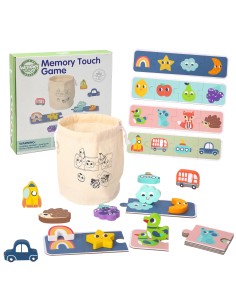
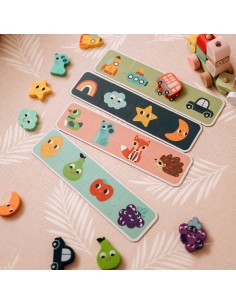
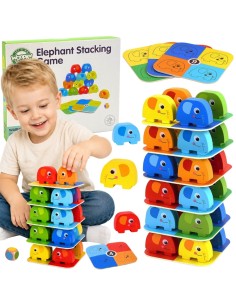
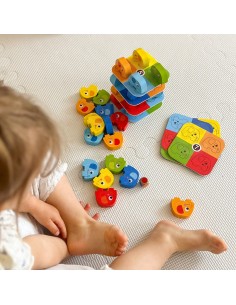
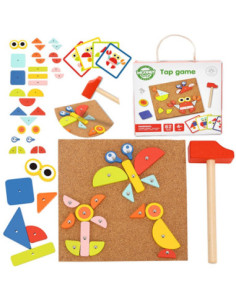
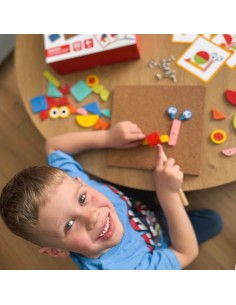
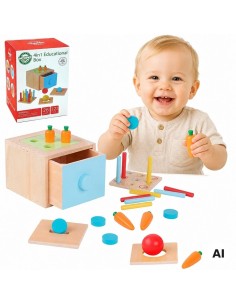

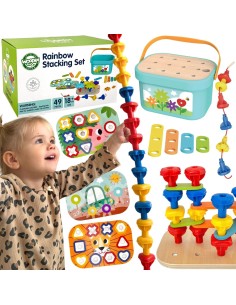
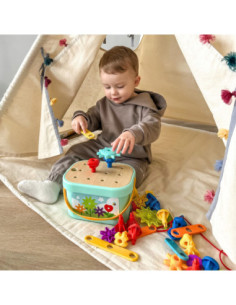


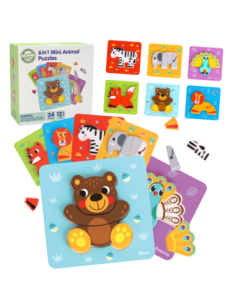
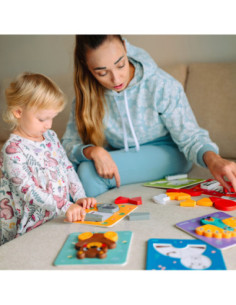

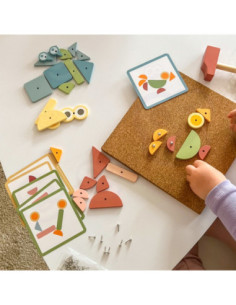
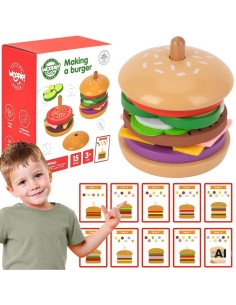
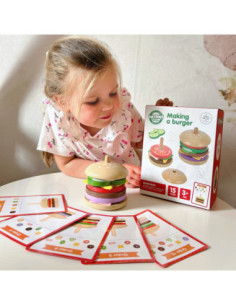
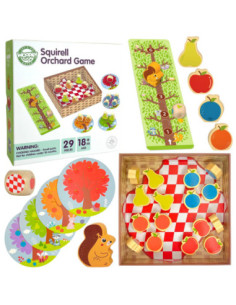
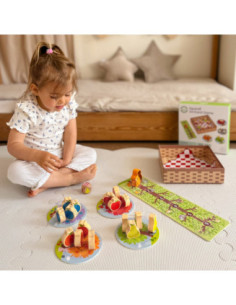
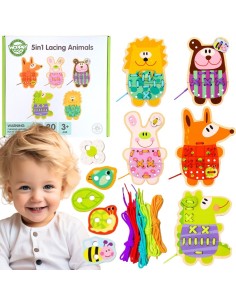

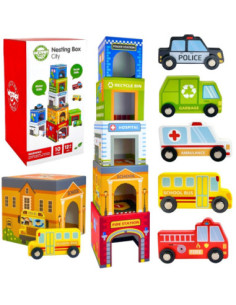




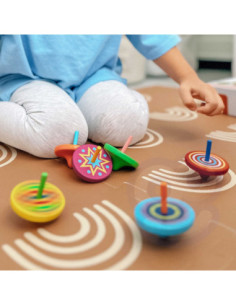
Montessori toys are a strong category for B2B sellers who want to offer products that combine play, learning, and practical everyday value. This assortment is built around the idea of independent activity, so it works well for online stores, marketplace sellers, resellers, distributors, and dropshipping partners looking for products with a clear educational purpose and easy-to-understand benefits. For customers, these toys are attractive because they support a child’s natural curiosity; for sellers, they are easier to present because the value is visible in the product itself.
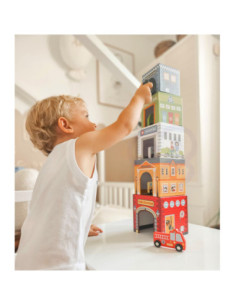
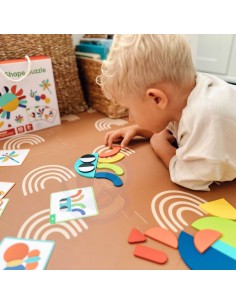
In this category you can build an offer around items that encourage sorting, matching, stacking, threading, touching, exploring shapes, and practicing simple tasks step by step. That makes the collection suitable for home learning spaces, nurseries, preschools, therapy-oriented activities, and gift-oriented retail. The products appeal to parents who want meaningful play, as well as to educators and carers searching for tools that support concentration, fine motor skills, and independent thinking.
Montessori-style toys are often chosen because they are practical, durable, and easy to explain in product listings. They are not just entertaining; they help children repeat actions, focus on a single task, and learn through direct experience. This gives trade partners a clear sales angle: the product is linked to a benefit that customers can understand quickly. Instead of abstract messaging, you can communicate what the child does with the toy and what skill it supports.
For an online store, this means less friction in the buying process. For marketplace sellers, it means better listing clarity. For wholesalers and distributors, it means a category that can be expanded into themed sets, age-based collections, and activity-based bundles. Montessori products also fit well into educational and developmental segments, which often perform well in search and in curated shopping categories.
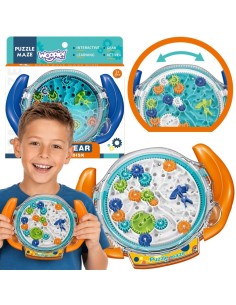
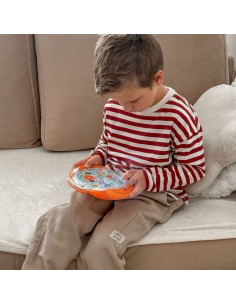
This category may include a wide range of learning-oriented toys and accessories designed around hands-on use. Common examples are sorting games, shape-matching items, stacking toys, threading boards, sensory tools, wooden manipulatives, counting aids, and activities that train hand-eye coordination. Many products are intentionally simple in design so the child can concentrate on the task rather than on flashing effects or complicated mechanics.
That simplicity is a commercial advantage. Products with a clean educational purpose are easier to position across multiple sales channels, and they often fit into broader store structures such as “learning,” “preschool development,” “motor skills,” or “sensorimotor play.” This helps catalog organization and supports better internal navigation on e-commerce platforms.
Customers buy Montessori toys because they see them as purposeful tools for development. The most common benefits include better concentration, improved hand dexterity, stronger fine motor control, early problem solving, and more confident independent play. For children who need additional support in sensory processing or rehabilitation-focused activities, these toys can also offer structured, calm, and repeatable experiences that help build routine and confidence.
From a retail perspective, this is a valuable message. It allows you to communicate not only the age range or material, but also the functional outcome. A toy that supports grasping, matching, or sequencing is easier to sell when the listing clearly states what skill it helps practice. That approach works especially well in B2B, where buyers want products that can be quickly integrated into their own catalog and presented with confidence to end users.
Montessori products are often a good fit for stores that want to expand into educational toys without relying on overly niche items. The category can be broad enough to support regular assortment updates, yet focused enough to maintain a clear identity. That combination helps with category page performance, search relevance, and repeat purchasing.
Retailers can also build bundles around use cases. For example, one group of products can target fine motor practice, another can focus on sensory exploration, and another can support logical sequencing and early learning. This creates more opportunities for cross-selling and upselling. It also allows trade partners to organize stock in a way that reflects how customers actually shop.
When presenting Montessori items in an e-commerce catalog, the most effective descriptions usually focus on action and outcome. Customers respond well to details such as what the child can do with the toy, how the activity is performed, and which developmental area is supported. A good listing should answer simple questions: Is it for sorting? Is it for grasping? Does it support concentration? Is it suitable for independent play? Can it be used at home, in a classroom, or in a therapy environment?
These details make the product easier to sell across channels. On marketplaces such as Allegro, Amazon, Erli, and Empik Marketplace, clear functional descriptions help buyers make decisions faster. They also reduce the amount of interpretation needed by the customer, which is particularly useful in categories where the educational value matters as much as the appearance.
One of the strongest merchandising strategies in this category is to group products by developmental stage. Younger children may need larger elements, simple insertion tasks, or tactile objects. Older children may be ready for more complex matching activities, logic-based sequencing, or tasks that require greater precision. By separating products into skill levels, you make the category easier to browse and improve the chance of finding the right item quickly.
This also helps B2B partners create their own retail logic. A reseller can quickly assemble a beginner collection, a sensory set, or a motor skills range without manually sorting through unrelated products. For distributors and online stores, that structure makes the catalog more useful and more scalable.
Montessori toys are well suited to multi-channel sales because the product story stays consistent across platforms. The same item can be promoted in a web store, on a marketplace listing, in a bundle, or in a thematic category page. With ready product descriptions and images, partners can launch or refresh listings faster and maintain a consistent brand presentation.
For businesses using XML integrations, automatic stock and price synchronization can be especially valuable. Educational toys often sell across several channels at once, so keeping availability and pricing aligned helps avoid overselling and reduces administrative work. That is important for dropshipping operations as well as for sellers managing their own stock.
When assortments are updated regularly, the category also benefits from operational stability. Trade partners can react more quickly to stock changes, seasonal demand, or changes in purchasing patterns. This keeps the offer current and helps maintain trust with customers who expect accurate information.
Customers rarely search only for the word Montessori. They often look for specific outcomes such as sensory play, motor skill development, sorting activity, learning through play, or educational wooden toys. That means this category has a strong potential to capture broader search intent if the listings explain the function clearly. A well-structured category page can support both general browsing and more specific product discovery.
For stores and marketplace sellers, this creates an opportunity to connect multiple customer needs to one assortment. A parent looking for a quiet activity, an educator searching for classroom materials, and a reseller building a developmental toy section may all find relevant items in the same category. That makes the assortment commercially versatile.
Another reason this category performs well is its usefulness in contexts beyond ordinary play. Many Montessori-style products are suitable for children who need extra support in coordination, attention, tactile exploration, or repetitive guided activity. In those settings, the toys are valued for their structure, simplicity, and tactile feedback. They can be useful in rehabilitation-oriented environments, special education settings, and calm learning routines.
For B2B sellers, this broadens the market potential. The same assortment can serve family retail, educational institutions, and specialist buyers who are looking for practical developmental tools. Clear presentation of the product’s function is essential here, because the customer needs to understand why the item belongs in this category and how it can be used in daily routines.
If you are building a toy catalog, Montessori is a category that can support both breadth and depth. You can expand it with classic learning toys, wooden educational items, sensory tools, and practical activities for early development. At the same time, the theme remains focused enough to keep the assortment coherent. This is useful for store architecture, internal search, and curated landing pages.
Wholesalers benefit because the products can be grouped into easy-to-understand subcollections for different customers. A store owner may want small-entry items for low-price baskets, while another partner may need premium learning toys for higher-margin sales. The category supports both approaches without losing its educational identity.
Montessori products often need more than a name and a photo to convert well. Buyers want to know what the toy does, how it supports development, and who it is for. That is why ready descriptions, structured images, and complete product data are so useful for online selling. They save time during listing creation and help maintain a consistent tone across channels.
For B2B partners, this reduces workload and improves publishing speed. Instead of writing every description from scratch, sellers can focus on assortment planning, pricing strategy, and channel expansion. Combined with stock synchronization and price updates, it creates a more efficient workflow from warehouse to marketplace.
Montessori products are practical, educational, and easy to position in both retail and B2B contexts. They support independent play, concentration, and developmental growth while giving sellers a category that is clear, searchable, and adaptable to multiple sales models. Whether you sell through a web store, Allegro, Amazon, Erli, Empik Marketplace, or dropshipping channels, this assortment offers a strong balance of educational value and commercial potential.
By combining functional product selection with complete catalog data, you can create a category that works for parents, educators, and trade buyers alike. That makes Montessori a reliable part of a modern toy assortment: purposeful for the end customer, efficient for the seller, and well suited to multi-channel commerce.