
SKU: MK0030
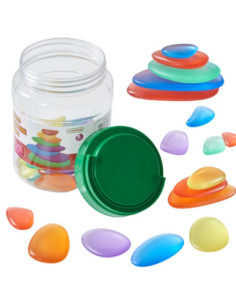
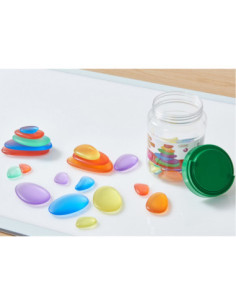
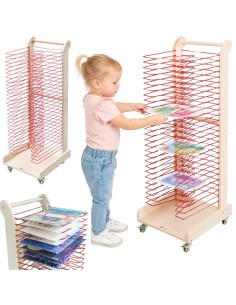
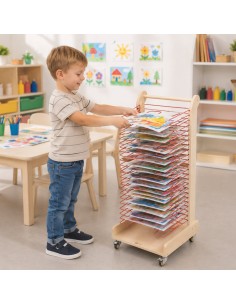
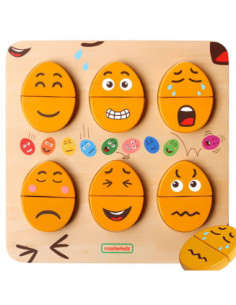
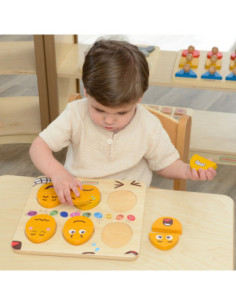
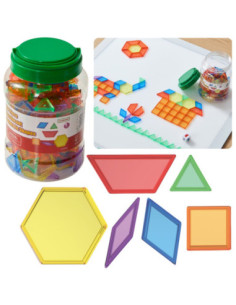
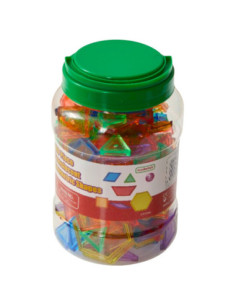
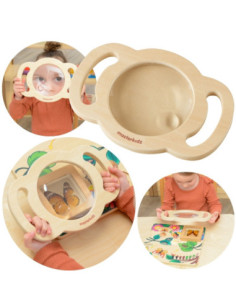
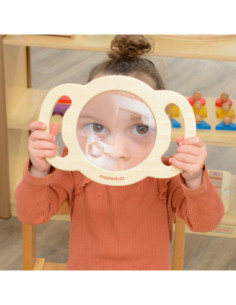
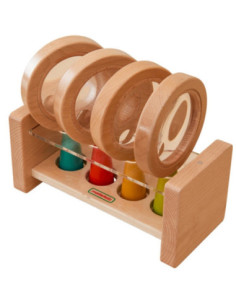
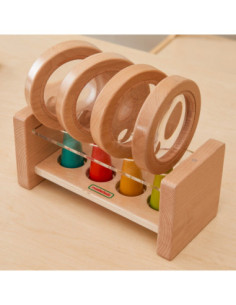

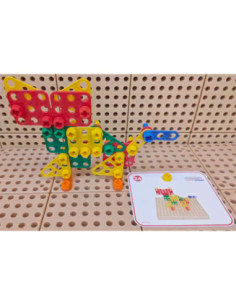

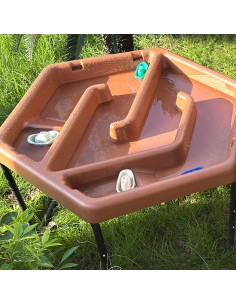
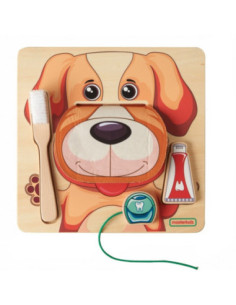
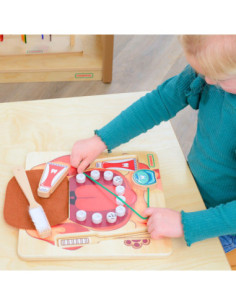
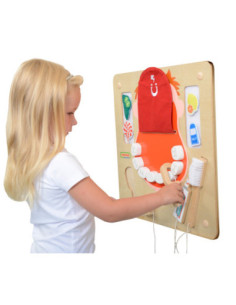
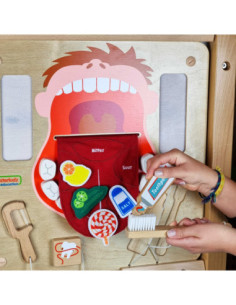
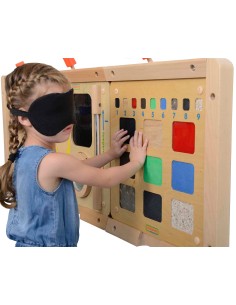
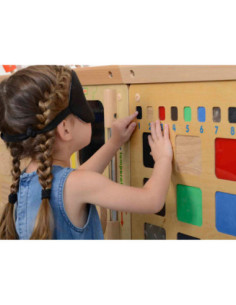
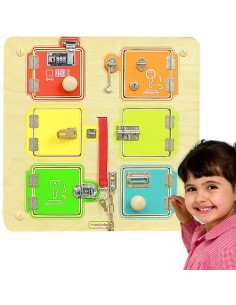
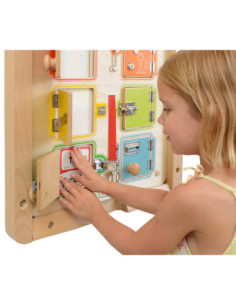
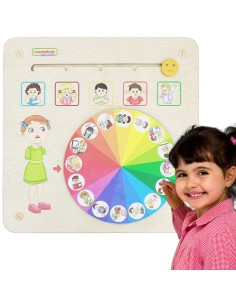
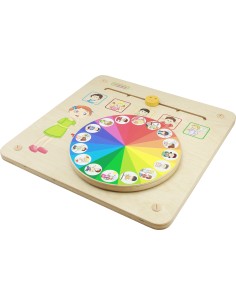
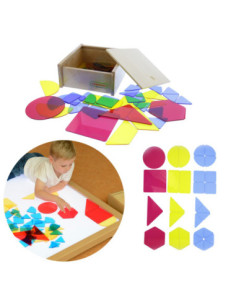
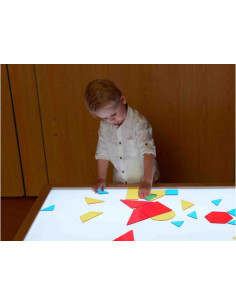
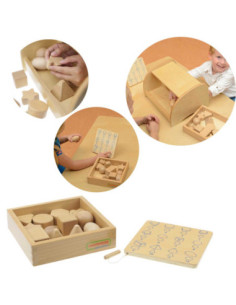
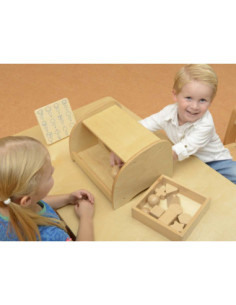
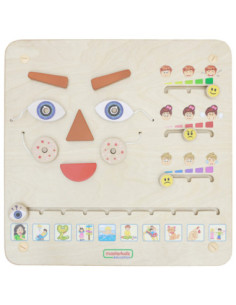
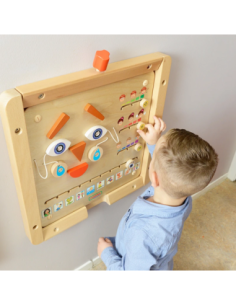

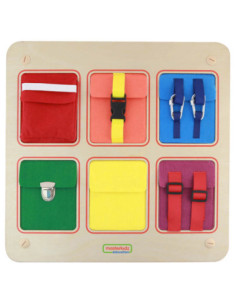
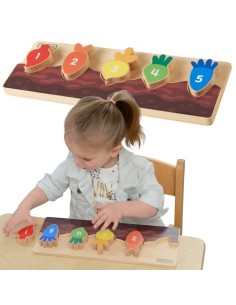
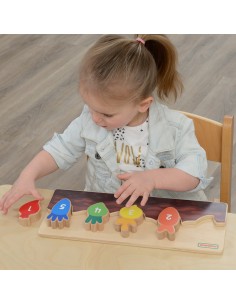
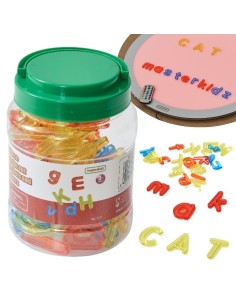
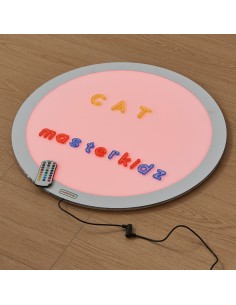
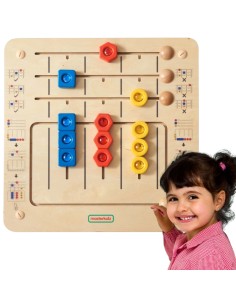
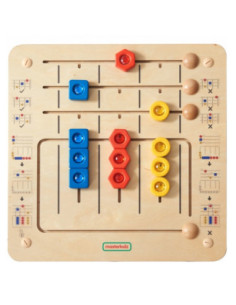
Educational toys are one of the most reliable category groups in a B2B toy assortment because they answer a clear buying need: parents and gift buyers want products that entertain while supporting a child’s development. For your store, that means a segment with strong conversion potential, easy communication of benefits and broad appeal across age groups. In this category you can build a thoughtful offer around learning through play, combining sensory engagement, logic, creativity, coordination and early skills practice in a way that is easy to present both in a webshop and on marketplace platforms.
For wholesalers, resellers and online retailers, educational products work especially well because they are easy to position by purpose. A customer can quickly understand whether a toy supports concentration, fine motor skills, visual perception, counting, letter recognition, shape matching or imaginative play. That clarity helps shorten the buying path, improve category navigation and support better merchandising. If your sales model relies on XML integrations, automatic stock and price synchronization, ready product descriptions and image feeds, this category is particularly convenient to manage at scale.
Educational toys are not only useful for children, but also practical for sellers. They are easy to sort into themed collections, age ranges and learning goals, which makes them ideal for structured category pages and cross-selling. Retailers can promote products as gifts, school-prep items, home-learning tools or everyday developmental playthings. That flexibility gives you more ways to present the same assortment across your own shop, Allegro, Amazon, Erli or Empik Marketplace.
In B2B commerce, product clarity matters. Buyers want to know what the toy does, what age it suits and why it is worth listing. Educational toys usually provide straightforward selling arguments: they support development, encourage longer play, are suitable for recurring purchases and often appeal to parents looking for meaningful alternatives to purely entertainment-focused products. For store owners, that translates into easier category management and better content planning.
Within this category you can expect toys designed to teach naturally through interaction. Some products focus on first learning steps such as colours, shapes, numbers and letters. Others help children practise sequencing, memory, matching, problem solving and spatial awareness. There are also toys that build manual precision, hand-eye coordination and patience, which are especially valued by parents who want toys with a visible developmental benefit.
Educational products also work well for children who need extra support in sensory development, concentration or motor practice. Carefully selected toys can help create engaging activities for children with different learning needs, including those who benefit from calm, repetitive and structured play. This makes the category relevant not only to mainstream retail, but also to stores serving therapy-oriented, developmental or specialist customer segments.
Each of these groups can be presented as a separate subcollection, which is useful when creating a clear shopping path for parents and gift buyers. A well-structured category page helps customers find the right toy faster and gives your team a stronger base for SEO and conversion-focused merchandising.
Customers often choose educational toys because they offer more than short-term entertainment. They give a sense of purpose, progression and value. When a toy has a clear developmental angle, parents feel more confident in the purchase. That confidence helps increase add-to-cart rates and reduces hesitation in online sales, especially when the product page includes strong visuals and a concise explanation of the learning benefit.
Another important advantage is giftability. Educational toys fit birthdays, holidays, preschool starts and small reward purchases. They can be sold as premium gifts or as accessible add-ons, depending on the product type and price level. For sellers, this means strong versatility in assortment planning and the ability to build seasonal campaigns without changing the core category structure.
The most effective presentation combines practical wording with clear category logic. Rather than using vague promotional language, highlight the specific skill or activity the toy supports. A customer should immediately understand whether the product is about learning, building, sorting, memorising, drawing, counting or developing dexterity. That approach improves usability on both desktop and mobile storefronts and also works well on marketplaces where buyers browse quickly.
It is also worth grouping products by age and learning stage. Younger children usually need simple, tactile and visually clear toys, while older children may be drawn to more complex logic tasks, strategy games or creative sets. Organising the assortment this way helps you reduce choice overload and makes the offer easier to scale across multiple sales channels.
For B2B partners, this also means better operational efficiency. When the assortment is supplied with ready data and consistent product information, your team can launch new listings faster and maintain a cleaner catalogue. That is especially valuable for sellers working with high product turnover or large marketplace exposure.
This category performs well wherever buyers compare products quickly and look for practical benefits. On Amazon, Allegro, Erli and Empik Marketplace, educational toys can stand out when the listing clearly states the skill area, age suitability and play format. Strong images and concise, benefit-oriented descriptions are especially important here, because they help the customer understand the product without needing additional explanation.
For dropshipping businesses and resellers, the category is equally attractive. Educational toys are easy to include in curated collections and can be matched with seasonal themes, school-start periods and gift guides. If your operations depend on automation, XML feeds and synchronized catalogue data, this assortment is simple to keep updated and scalable across multiple sales endpoints.
To create a competitive offer, it is useful to diversify the category by function. Some customers look for toys that teach foundational knowledge, while others want products that strengthen manual coordination or creative thinking. By combining both types, you can serve a wider audience and increase the chance that the customer finds the right product at the right moment.
A well-balanced assortment can include simple learning aids, more advanced educational games and engaging construction or creative sets. That mix makes the category more resilient, because it does not depend on one short-lived trend. Instead, it addresses a long-term shopping need that remains relevant across seasons and age groups.
These structures help both the customer and the seller. Customers navigate faster, while sellers can manage campaigns, pricing and inventory more efficiently. In a busy B2B environment, that operational clarity is a real advantage.
Educational toys have one important commercial strength: they are based on a stable need. Parents, grandparents, teachers and retail buyers will always look for products that combine play with development. That makes the category less dependent on fast-changing trends and more suitable for building a balanced, durable assortment.
From a retail perspective, that stability helps improve planning and forecasting. From a wholesale perspective, it supports repeat orders and category loyalty. And from a marketplace perspective, it gives you clear, keyword-friendly product storytelling that can be reused across listings with minimal adaptation. When paired with automation, ready content and reliable logistics, the category becomes even easier to scale.
Educational toys are a strong category for B2B toy wholesalers because they combine clear customer value with practical selling potential. They support learning, development and sensory engagement, while also giving online retailers a flexible, easy-to-merchandise assortment. Whether you sell through your own store, marketplaces or dropshipping channels, this category offers solid opportunities for conversion, repeat purchasing and efficient catalogue management.
With the right assortment structure, detailed product data and synchronized inventory information, educational toys can become a dependable part of your sales strategy. They are easy to present, easy to promote and easy for customers to understand, which makes them one of the most commercially useful category types in a modern toy wholesale offer.