
SKU: 31422
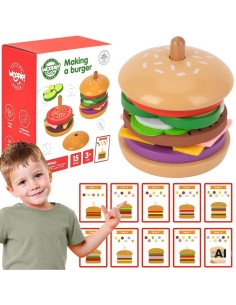
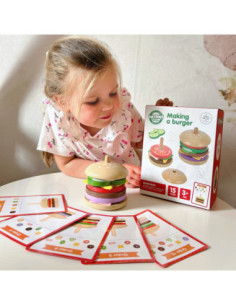
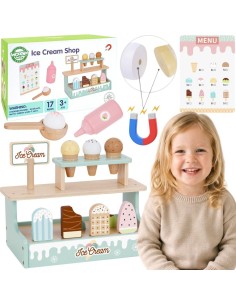
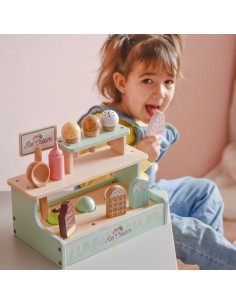
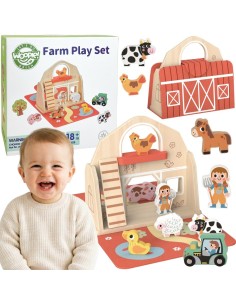
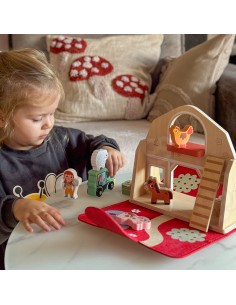


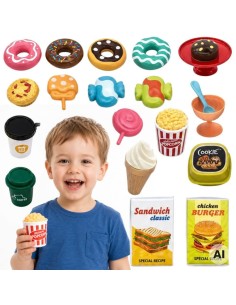
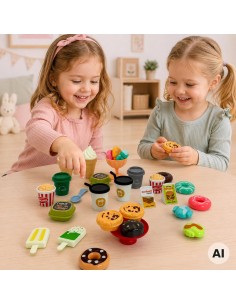
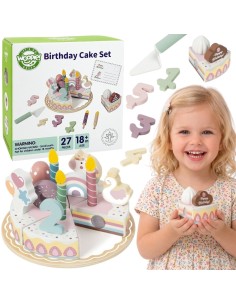



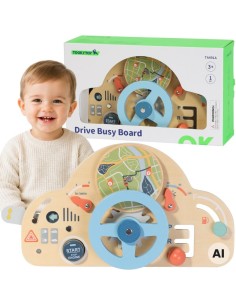
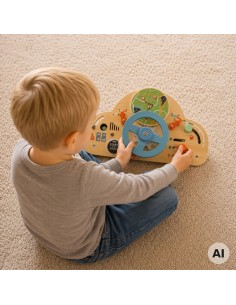
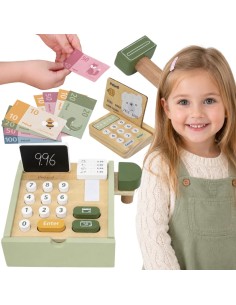

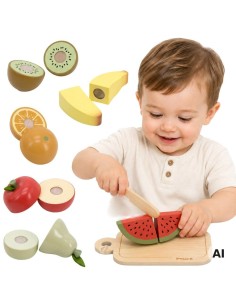
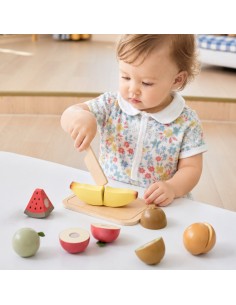

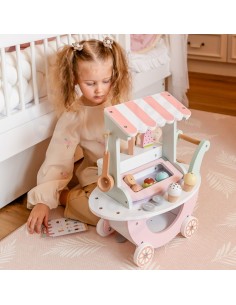
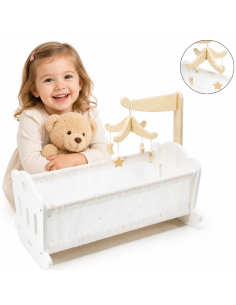
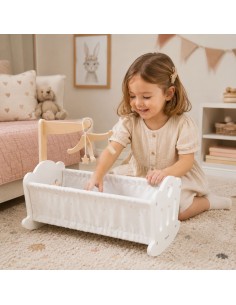


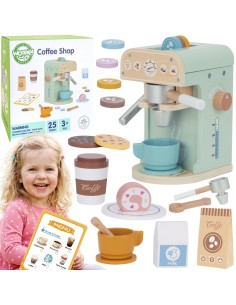
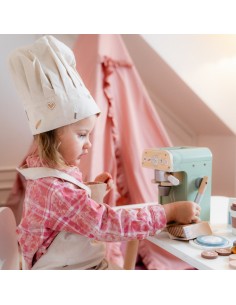
Role playing toys are a reliable category for B2B assortments because they combine strong consumer appeal with clear sales logic for online stores, marketplace sellers and distributors. Children are naturally drawn to imitation and storytelling, while parents and educators value products that encourage communication, social interaction, creativity and practical thinking. For a wholesaler, that means a category with broad demand, easy presentation and strong potential for repeat orders across seasons and sales channels.
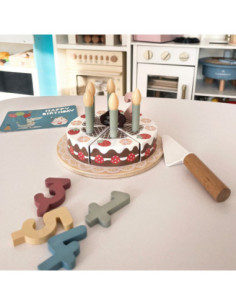
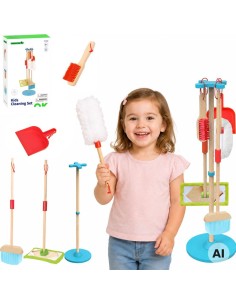
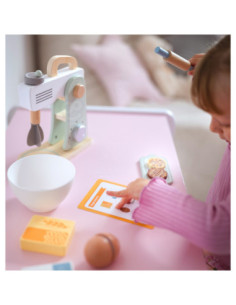
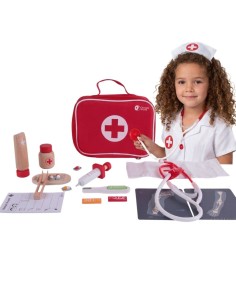
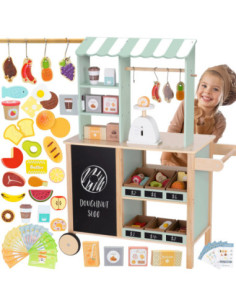
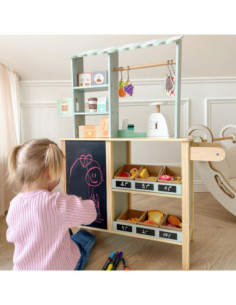
In this category you will find themed sets and accessories that let children step into everyday and imaginary roles: cooking, serving food, visiting the doctor, helping in the city, running a shop, styling hair or taking part in rescue scenarios. Each product is designed to support active play, with a format that is easy to understand at a glance and simple to recommend to end customers looking for a gift or a complete play set.
From a trade perspective, role playing toys are attractive because the product benefit is immediately visible. Customers do not need a long explanation to understand the purpose of a doctor set, a kitchen set or a fire brigade set. Clear themes make listing creation faster, improve conversion and reduce hesitation at the checkout stage. That is especially useful for partners selling on Allegro, Amazon, Erli or Empik Marketplace, where strong product presentation and accurate attributes are essential.
Another advantage is the natural segmentation of the assortment. Buyers can quickly identify products for specific age groups, interests and occasions. A parent searching for a birthday present can easily choose a play kitchen, a cash register set or a medical kit. A retailer can build themed collections that support cross-selling and higher basket value. The category also works well in seasonal campaigns, back-to-school offers, holiday promotions and gift-oriented campaigns.
Role playing toys cover a wide range of product types, from compact accessories to larger themed sets. The most popular items usually focus on everyday scenarios that children already know from observation. That familiarity makes the play experience intuitive and engaging, while still leaving room for imagination and personal storytelling.
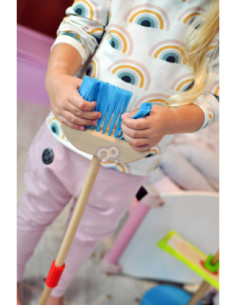
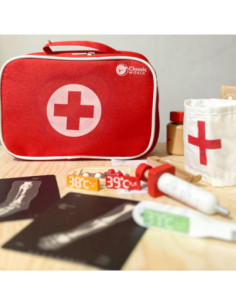
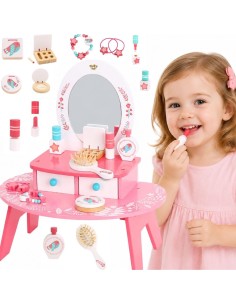
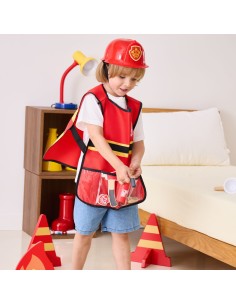
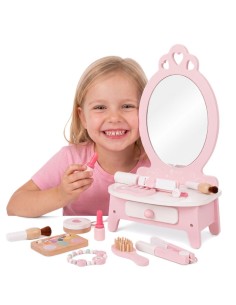
Common examples include sets for cooking and serving meals, toy medical kits, shop and cashier sets, barber and beauty accessories, construction and service role sets, as well as firefighter, police or rescue-themed products. Depending on the model, the assortment may include utensils, containers, pretend tools, badges, aprons, cases, stethoscopes, toys with sound or light features and other accessories that reinforce the scenario.
For B2B customers, this diversity is important because it allows the same category to serve several segments at once. Smaller sets can fit impulse-buy or price-sensitive listings, while richer sets support premium product pages and higher-margin offers. In practice, this gives resellers more room to build a balanced catalogue without relying on a single format.
When selecting toys for this category, buyers usually look for products that are visually attractive, easy to use and durable enough for everyday play. A well-designed role play set should feel complete from the first use, because children want to start the game immediately and adults expect a product that does not require additional purchases just to make sense.
Useful features may include realistic accessories, compact storage, easy assembly, lightweight construction and safe materials. Sets with multiple components often deliver better value perception, since the child receives several items that work together within one story. For sellers, that translates into stronger product descriptions, easier bundling and more opportunities to present the item as a gift-ready solution.
In some cases, role playing toys also support motor practice and developmental play. Children can train hand-eye coordination, fine motor control, language, sequencing of actions and social communication. This makes the category appealing not only for typical home use but also for educational shops, therapy-oriented stores and retailers targeting products that support child development in a natural, playful way.
For e-commerce operators, the category is especially convenient because most products can be described in a clear, structured way. Shoppers usually want to know what role the set represents, what items are included and what age range it is suitable for. Good listing content should answer those questions immediately and use the product theme as the main purchasing cue.
It is also helpful to show how the toy fits into real-life play scenarios. A kitchen set can be presented as a way to play restaurant or home cooking. A medical set can be positioned as a doctor visit or care role play. A shop set can be linked to counting, sorting, communication and customer interaction. This approach makes the listing more practical and increases the chance of matching the right product to the right buyer.
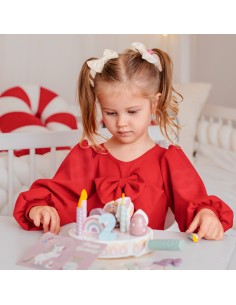
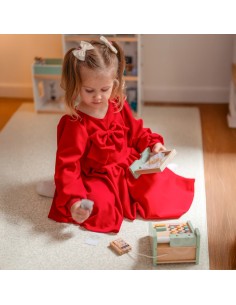
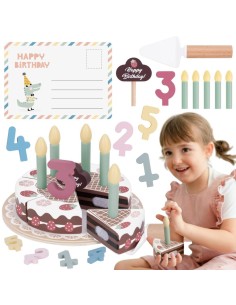
High-quality images are particularly important in this category because customers compare visual details closely. Sets with visible components, clear packaging and scenario-based photos perform better on marketplaces and in store catalogues. If your organisation uses ready product photos and ready descriptions, you can publish offers faster and keep your assortment more consistent across channels.
Role playing toys fit well into a multi-channel sales strategy because they are easy to classify and easy to repeat across platforms. The same product can be listed in an online store, on Allegro, Amazon, Erli or Empik Marketplace, provided that the title, description, images and attributes are aligned. This consistency improves customer trust and helps maintain a professional assortment image.
For resellers and dropshipping partners, the category is also practical because many items are lightweight, visually appealing and relatively simple to ship. When catalogue data is well maintained, stock and price synchronization reduce the risk of selling unavailable items and help avoid unnecessary manual work. XML integration can support faster updates, especially when the assortment changes frequently or needs to be uploaded in bulk.
That makes role playing toys a strong fit for partners who need scalable, manageable listings. Instead of building each offer from scratch, they can rely on structured product data and focus on pricing, promotion and channel performance. This is particularly useful in B2B settings where efficiency and catalogue quality directly affect sales speed.
A good category structure helps merchants create clearer navigation and stronger cross-sell opportunities. Role playing products can be grouped by theme, use scenario, age relevance or accessory type. Such segmentation makes it easier for customers to find the right product and helps sales teams build logical collections for websites and marketplaces.
Popular subgroups include kitchen and food preparation sets, doctor and medical kits, shop and cash register sets, beauty and hairdresser accessories, city service and rescue themes, and home-inspired scenarios. Some retailers also divide products by complexity, from first role play toys for younger children to more detailed sets for older children who want richer storytelling options.
This kind of structure is useful for merchants that manage large catalogues or several sales channels at once. It makes it easier to build filters, create bundles and prepare campaigns targeted at specific buyer needs.
Role playing toys often lead to repeat interest because children evolve in their play preferences. A child may first want a simple doctor set, then later move to a larger shop or kitchen scenario, and eventually ask for accessories that expand an existing game world. For retailers, that means a category with natural repeat purchase potential and a good foundation for accessory sales.
Parents also tend to appreciate toys that combine entertainment with everyday learning. These products support conversation, social behaviour, imagination and confidence in familiar situations. When a toy is both fun and useful from a developmental perspective, the buying decision becomes easier and the chance of positive reviews rises.
For trade partners, that creates a practical commercial advantage. A category that is easy to understand, easy to explain and easy to present visually can support more stable performance across both store sales and marketplace traffic. It also works well in curated gift sections, educational collections and themed promotional campaigns.
If you manage a larger toy assortment, role playing products are a good candidate for automation. Product pages often need repeated structures: theme, contents, features, age suitability and packaging details. When you have ready descriptions and images, you can publish faster and reduce the time spent on manual content preparation.
Automation becomes even more valuable when your operations include multiple channels and frequent stock movements. XML feeds, stock and price synchronization and centralised product data help keep offers consistent across your store and marketplaces. That consistency is important for customer satisfaction and for avoiding errors that can appear when offers are updated by hand.
For B2B customers, this means less operational friction and more time for sales activity. Instead of rebuilding product pages one by one, teams can use structured data to launch new listings, refresh existing offers and maintain a stable catalogue across all sales touchpoints.
Role playing toys are a strong category for wholesalers and B2B partners because they combine broad consumer appeal, clear product logic and good presentation potential. The assortment includes easy-to-understand themed sets that help children act out real-life and imaginative scenarios, while giving retailers products that are simple to market and simple to scale.
For online stores and marketplace sellers, the category offers multiple advantages: strong visual appeal, straightforward listing structure, good gift potential and flexible segmentation. For resellers and distributors, it provides a catalogue that works across channels and supports automation, synchronization and efficient product management.
With the right mix of themed sets, quality visuals and accurate product data, role playing toys can become one of the most dependable parts of a toy assortment. They are practical for sales teams, attractive for buyers and well suited to modern multi-channel commerce.