SKU: 31446



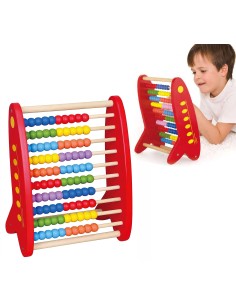
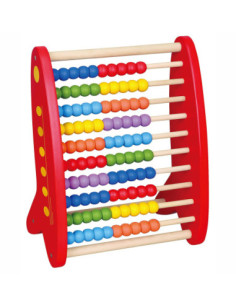
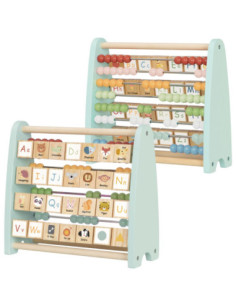
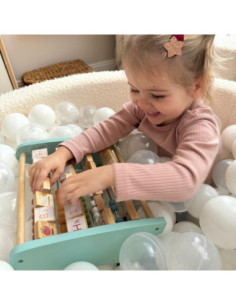
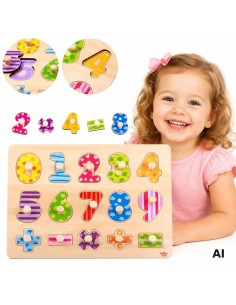
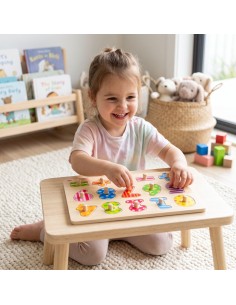
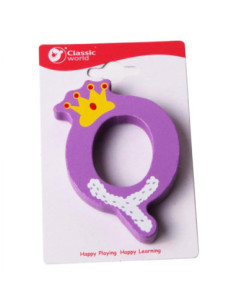
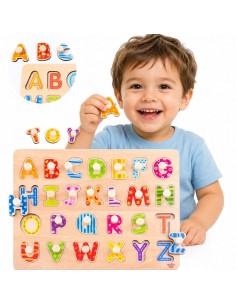
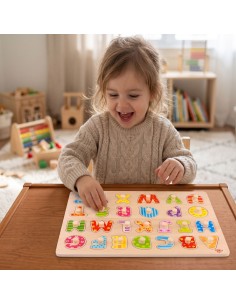
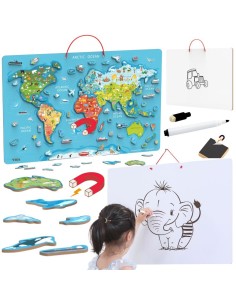
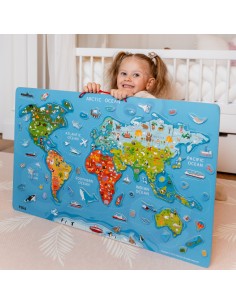


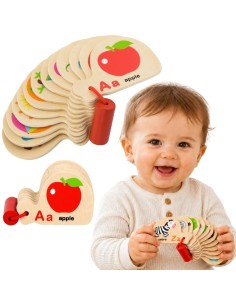
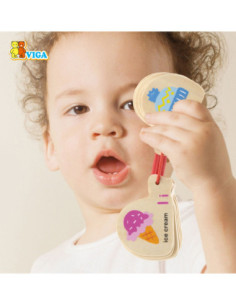
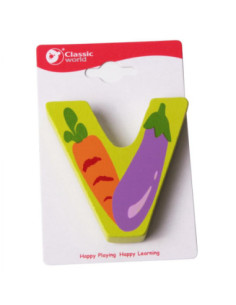
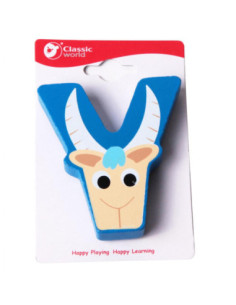
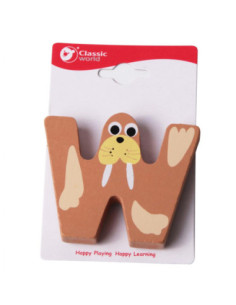
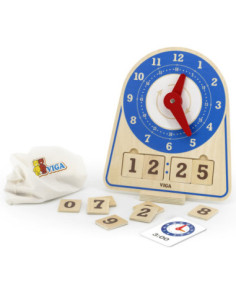
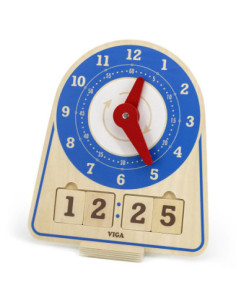
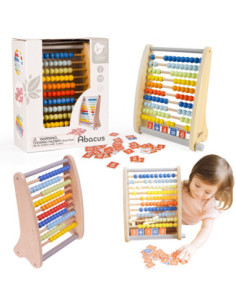
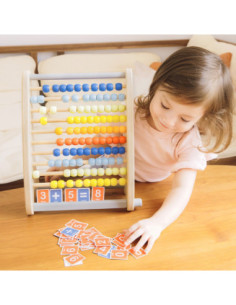
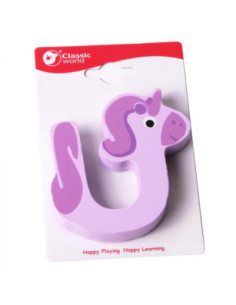
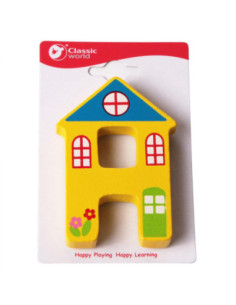
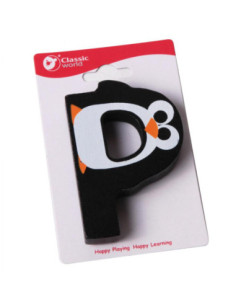
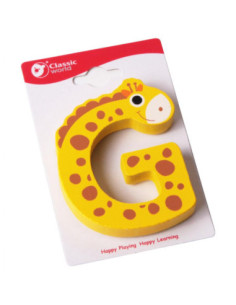
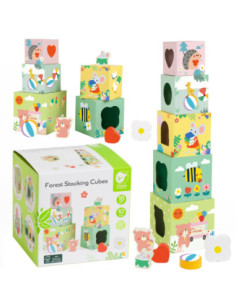
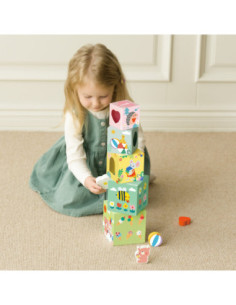
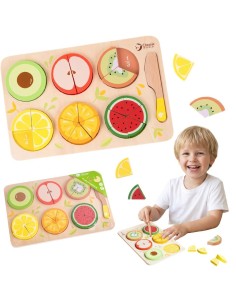
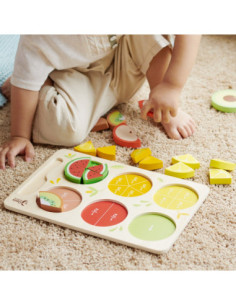
Educational toys and teaching aids that help children learn numbers and letters are a strong and reliable category for B2B toy wholesalers. They combine play with first learning steps, making them attractive to parents, preschools, learning centres and resellers who need products with clear educational value. In this segment, customers usually look for items that are simple to explain, visually engaging and easy to present in an online store or marketplace listing. That is why products focused on recognising symbols, matching shapes, tracing, sorting and repeating basic exercises perform so well in multi-channel sales.
For e-commerce sellers, this category offers a practical way to build an assortment that is easy to understand and easy to promote. Instead of offering a vague mix of educational toys, you can present a focused collection that answers a specific need: helping a child recognise numbers, letters and the first connections between them. This improves navigation in the shop, supports better filtering and gives customers a clearer reason to buy. In B2B sales, that clarity matters because it reduces hesitation and helps wholesale partners quickly choose products that fit their audience.
Items in this category are designed to support early learning in a natural, hands-on way. Depending on the product type, they may encourage recognition of numbers and letters, sequencing, matching, tracing, naming or simple memory exercises. Many solutions also support concentration, hand-eye coordination, fine motor skills and visual perception. These features make the category useful not only for home use, but also for educational institutions, therapy-oriented spaces and resellers serving families looking for developmental toys.
Because the learning process should feel enjoyable rather than demanding, the best-selling products are usually the ones that encourage repetition without pressure. Children can return to the same task many times, building confidence step by step. For retailers, that means these products are easier to position as everyday learning tools, seasonal gift ideas or practical additions to a preschool shopping list. Their clear purpose also helps reduce return rates, since the buyer knows exactly what the toy is meant to support.
Parents often search for toys that help prepare a child for school, but they usually want something that still feels like play. Products connected with numbers and letters match that demand very well. They allow children to explore symbols in a friendly format and give adults a simple way to introduce educational routines at home. This combination makes the category attractive across different age groups, especially in the preschool and early school stage.
From the perspective of a shop owner, this theme is commercially useful because it is broad enough to build a full offer, yet specific enough to match customer intent. It supports cross-selling and bundling, for example by combining toys for letter recognition with matching number activities, tracing boards, puzzle sets or sorting games. Such combinations can increase basket value and improve the chances of repeat purchases. When a store organizes the assortment by learning goal, shoppers are more likely to find a product that fits both the child’s stage and the parent’s expectations.
In wholesale, the strongest products are usually those that are easy to list, easy to explain and easy to ship. Buyers appreciate educational toys that have a clear function, attractive presentation and consistent quality. In this category, that often means products with legible graphics, durable parts, safe materials and a format that works well in both physical and online retail. The easier the item is to understand at a glance, the simpler it is to convert interest into sales.
Another important factor is versatility. A good learning toy can be used at home, in classrooms, during therapy sessions or in guided activities with an adult. This expands its sales potential and makes it more appealing to different types of customers. For distributors and resellers, versatility also means better inventory planning, because one SKU can serve several market segments. That is especially useful when working with stores that need compact assortments with strong turnover.
Learning numbers and letters is not a single moment but a process. Some children start by recognising shapes, others by naming symbols, and others by practising order and repetition. A well-built category reflects these stages, allowing the seller to present products that match different levels of readiness. That makes the offer more useful both for families and for business buyers who want to address a wider audience.
Some products in this segment are also valuable for children who benefit from extra developmental support due to natural barriers or health-related challenges. Simple, tactile and visually clear educational toys can help make learning more approachable and comfortable. This broadens the relevance of the category and gives partners a reason to include it in both standard and specialized educational assortments. When a product is easy to handle and understand, it can support consistent practice in a low-stress way.
For an online store owner, the main task is not only to stock the right products but also to present them in a way that makes selection effortless. This category works best when products are grouped by skill, age stage or activity type. Customers may look for toys for tracing, matching, memory practice or early counting, so clear segmentation helps them move faster from browsing to purchase. Good product descriptions should explain what the child practices, how the toy is used and why it is suitable for a given level.
Ready product descriptions and ready images are especially valuable here, because educational toys need simple but informative presentation. The buyer should quickly understand whether the product teaches recognition, sequencing, counting or writing preparation. In a B2B environment, this saves time for shop owners and marketplace sellers who manage large catalogs. It also reduces the workload associated with content creation, allowing teams to publish new items faster and keep the assortment current.
This category is also well suited to automated sales workflows. Many partners use XML integrations to import product data, update offers and synchronize inventory without manual work. When stock and price synchronization runs smoothly, the risk of overselling drops and the catalogue remains accurate across channels. That is particularly important for stores active on Allegro, Amazon, Erli and Empik Marketplace, where pricing, availability and listing quality directly affect performance.
For dropshipping businesses, educational toys such as these are attractive because they can be published quickly and managed with less operational effort. A wholesaler that provides structured data, product images and ready descriptions gives partners a strong advantage. It shortens the time between product selection and live listing, which is critical in competitive multi-channel retail. It also helps maintain consistency across different sales platforms, where buyers expect clear and reliable information.
A balanced offer in this category can include a wide range of formats. Some products are designed for basic recognition, others for active manipulation, and others for guided repetition. The best assortment usually includes a mix of simple introductory items and more engaging tools that encourage longer play sessions. That gives the store a better chance of serving both first-time buyers and returning customers who want a more advanced learning format.
Wholesale partners often benefit from collecting products into logical groups such as letter learning, number learning, combined educational sets, tracing activities, puzzle-based learning and early writing preparation. These groups make it easier to build category pages, seasonal promotions and recommendation blocks. They also support upselling, because customers looking for one learning solution may be interested in a second item that complements it. In practice, this can improve conversion and make the educational section of the shop more commercially stable.
Educational toys work best when they are simple to return to again and again. The child learns through repetition, while the adult sees progress over time. Numbers and letters are ideal for this kind of use because they appear in many forms and can be practised through multiple activities. A toy that invites the child to recognise, arrange, point to or trace symbols becomes part of a repeated routine rather than a one-time novelty.
This repeated use is valuable for retail as well, because it increases perceived value. Parents are more likely to buy products that can be used often, not only once. In turn, that makes the category strong for stores that want to build trust and encourage review-driven sales. If the product is clear, educational and pleasant to use, the buyer is more likely to recommend it and return for other items from the same learning theme.
For resellers, distributors and store owners, this category offers a mix of strong commercial potential and straightforward merchandising. The products are easy to classify, easy to explain and easy to bundle into themed collections. They also fit well into seasonal campaigns, back-to-school promotions and gift-oriented campaigns for birthdays or holidays. Because the educational purpose is obvious, the category can perform well across both impulse buying and planned purchase behaviour.
Another benefit is operational simplicity. With good product data, smooth synchronization and consistent stock updates, it becomes easier to manage a large catalogue without unnecessary manual corrections. That matters in wholesale, where efficient data handling can directly improve margin and customer satisfaction. When an item is supported by professional content, it is easier for a partner to launch it, advertise it and sell it across multiple channels.
Learning numbers and letters is a category with strong long-term value because it responds to a basic and recurring need: helping children build early educational skills through play. It is useful for home learning, classroom support and development-oriented activity. For B2B customers, it offers a clear niche that can be expanded into collections, bundles and targeted campaigns.
With the right assortment, ready content and automated product data, this category becomes easy to scale across an online store, marketplace channels and dropshipping operations. It supports better product presentation, faster publishing and more efficient stock management. For wholesale partners seeking stable demand and clear customer value, it is a category worth developing in a structured and consistent way.