


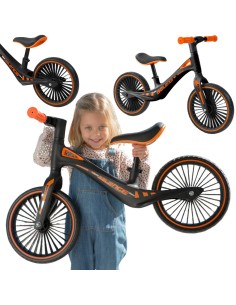
Bikes are a strong addition to a B2B toy assortment because they combine outdoor activity, motor skill development and clear seasonal demand. For retailers, marketplace sellers and dropshipping partners, this category offers products that are easy to present, easy to understand and easy to turn into attractive listings. Parents look for lightweight, stable and comfortable models that help children gain confidence step by step, while trade customers need well-structured content, reliable product data and a range that can be published quickly across multiple sales channels.
Within this category you can build an offer for different stages of a child’s development, from first balance-focused models to more advanced children’s bikes designed for longer rides and greater independence. That variety makes it easier to create a coherent selection for an online store, prepare seasonal campaigns and match products to age, height and riding experience. When the assortment is clearly organized, customers find the right item faster, which usually improves conversion and reduces pre-sale questions.
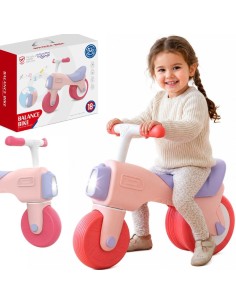
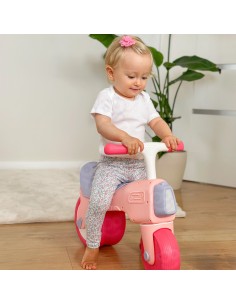
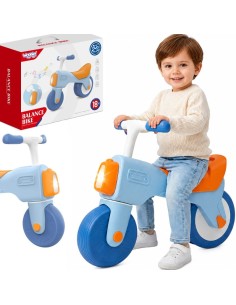
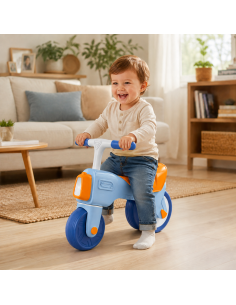
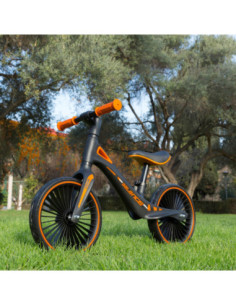
Balance bikes are one of the most important products in the children’s cycling segment because they help young riders learn stability before moving on to pedals. From a sales perspective, they are attractive because they solve a real parental need: a safe and simple way to start cycling without unnecessary complexity. The most appealing models usually have a low frame, a comfortable saddle, a stable construction and handlebars that feel natural in a child’s hands. Adjustable seat and handlebar height also matter, because they allow the product to grow with the child and stay relevant for a longer period.
For B2B partners, balance bikes are easy to merchandise in bundled or themed collections. They work well in first-bike categories, outdoor play assortments and spring/summer campaigns. Their benefits are easy to communicate in product cards: support for balance, coordination and confidence. That clear value proposition helps customers make decisions faster, especially when the listing includes strong images and precise parameters.
For online stores and marketplace sellers, these products are especially effective when the product page explains the practical benefits in plain language. Parents often compare several models before buying, so a well-prepared description can influence the final choice more than technical data alone. A clear presentation of height range, recommended age and usage helps reduce hesitation and increases trust.
As children progress, they move from balance-focused riding to more advanced bikes that resemble classic bicycles. This part of the category gives resellers a chance to offer a natural upgrade path: first a bike for learning, then a model for more independent movement and everyday outdoor fun. These products are often chosen for parks, pathways, family trips and regular recreational use, so they perform well when the assortment is positioned as a practical step forward in a child’s development.
For trade customers, this means the category can support repeat purchases and cross-selling. A customer who buys a first riding product may later return for a larger model, accessories or complementary outdoor items. That makes the category valuable not only for immediate sales, but also for long-term assortment planning. When product information is ready for publication, it becomes easier to keep the catalog active and react quickly to demand peaks during the warmer months.
These bikes are also well suited to multichannel sales because the same product data can be adapted for an online store, Allegro, Amazon, Erli or Empik Marketplace. If your business uses XML integration, automated stock updates and price synchronization, the category becomes even easier to manage at scale. You can publish the same offer in multiple places while keeping availability and pricing consistent, which reduces the risk of cancelled orders and improves the customer experience.
Bikes for children are not only attractive to end customers; they are also practical for wholesalers and resellers. The category has a clear seasonal rhythm, a broad audience and a strong emotional appeal. Parents often see a bike as a milestone purchase, which means they spend time reviewing specifications, comparing models and looking for trustworthy product information. That creates an opportunity for trade partners who can provide accurate, ready-to-use content.
Prepared descriptions and high-quality images are especially valuable here. When a product page is complete, the retailer can launch the offer faster and with less internal work. This is important for businesses that handle large catalogs, operate in dropshipping, or maintain several sales channels at once. With ready content, it is easier to build listings that are consistent, informative and conversion-friendly.
Another benefit is that this category adapts well to different sales strategies. Some partners focus on entry-level models with broad appeal, while others build a more segmented assortment based on age, frame type or riding style. Both approaches can work if the catalog structure is clear and the product data is accurate. That flexibility makes the category useful for smaller stores as well as larger distributors.
Good presentation matters as much as the product itself. Customers want to know what the bike is for, how it supports learning and what makes one model different from another. A strong listing should explain the riding stage, key features and comfort factors in a concise but informative way. For B2B sellers, that also means reducing the amount of manual work needed before publication.
In practice, the most effective product pages include clear visual material, a readable description and structured details such as size, adjustment range and intended use. When the information is organized well, customers spend less time searching and more time choosing. This is particularly useful in marketplace environments where comparison happens quickly and competition is high.
The same approach supports search visibility. A well-written category description can help search engines understand the theme of the page while also giving trade customers a stronger reason to stock the products. Because the category is broad enough to include several subtypes, it offers room for both general and specific search phrases without sounding repetitive or artificial.
In B2B e-commerce, speed and accuracy are essential. That is why this category works especially well when supported by XML feeds, automated synchronization and ready-to-publish content. If the same assortment must appear in an online store and on multiple marketplaces, automation helps keep the information aligned and reduces the risk of errors. It also saves time for the sales team, which can focus on expansion rather than repetitive updates.
For partners operating in dropshipping, this is a major advantage. The catalog can be expanded quickly, and product availability stays closer to real stock levels. When a customer sees current data and clear descriptions, the chance of a successful purchase increases. That is why a category like bikes benefits from a well-maintained backend as much as from strong visual presentation.
Automation also supports scaling. As demand changes during the year, trade partners can add new models, update promoted items and rotate bestsellers without rebuilding the catalog from scratch. This makes the category suitable for businesses that want to grow their assortment while keeping operations efficient.
Bikes are especially attractive in spring and summer, when families are more active outdoors and look for products that encourage movement. For wholesalers and resellers, this creates a predictable opportunity to prepare campaigns in advance. By stocking the category early, you can capture demand before peak season begins and keep listings visible when search interest rises.
The category also supports different pricing tiers. Some customers want an affordable first model, while others look for more advanced features, stronger materials or a specific design. This range makes it easier to build a balanced assortment that addresses multiple customer profiles. A good category page helps explain those differences without overwhelming the buyer.
For B2B clients, this means more than just selling a single item. It means offering a complete solution that fits the child’s stage of development, the retailer’s channel strategy and the seasonal buying cycle. That combination gives the category both practical and commercial value.
Bikes remain a highly useful category for the children’s toy and outdoor segment because they connect physical development with strong retail demand. Balance bikes support the first steps toward riding, while more advanced children’s bikes extend the customer journey and create opportunities for repeat sales. For online stores, marketplace sellers and dropshipping partners, the category is easy to present, easy to scale and easy to fit into a multichannel setup.
With ready descriptions, product images, XML integration and automatic stock and price synchronization, the category becomes even more efficient to manage. That helps trade partners publish offers faster, keep data consistent and focus on selling rather than manual catalog work. If you are building a B2B assortment for seasonal demand and long-term conversion potential, bikes are a strong and reliable choice.