
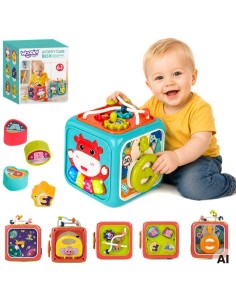
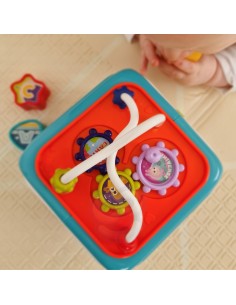
SKU: 51565
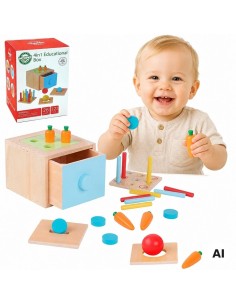



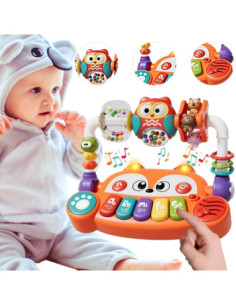


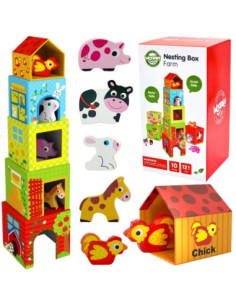
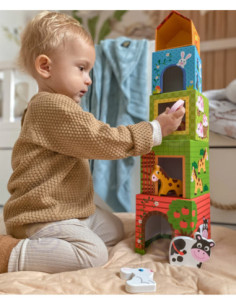
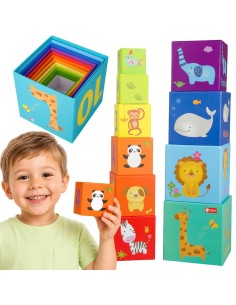
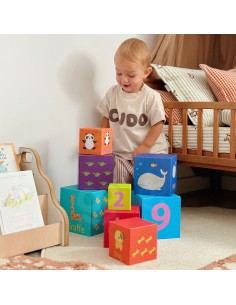
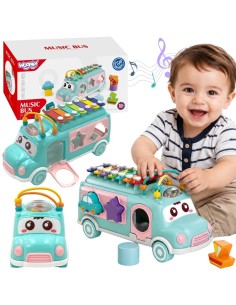
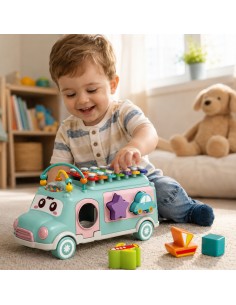
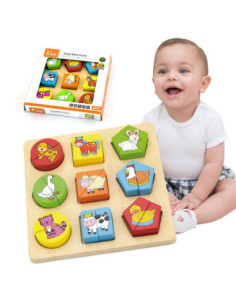
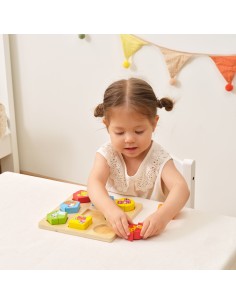
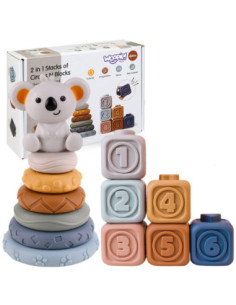
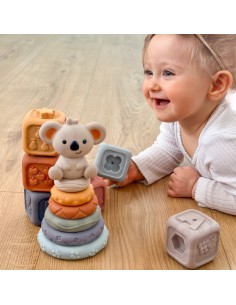

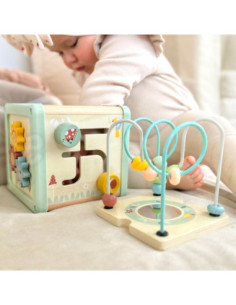
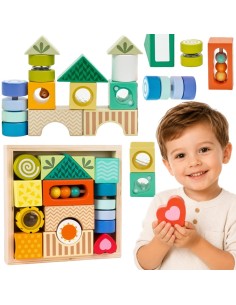


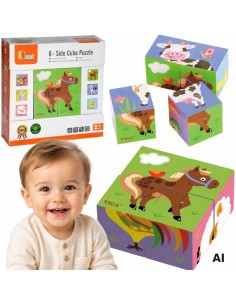
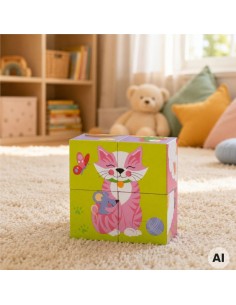
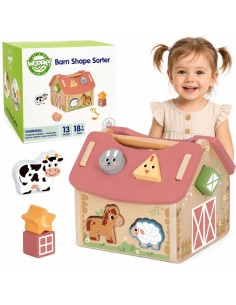
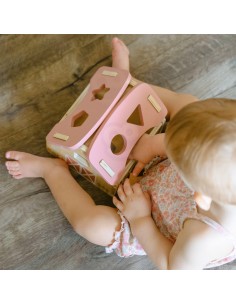
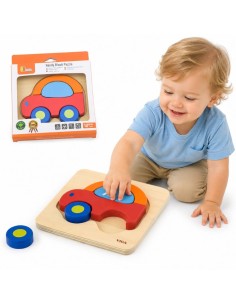
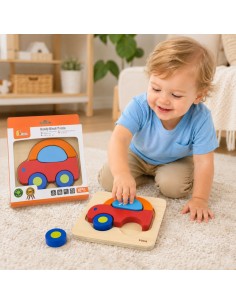
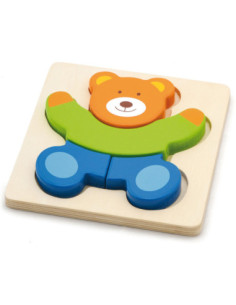
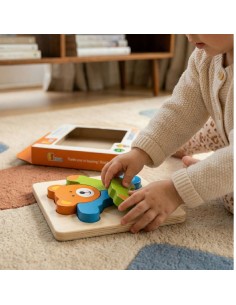
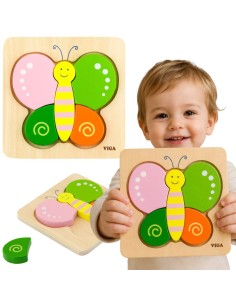
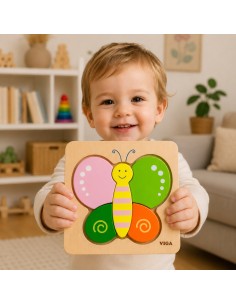
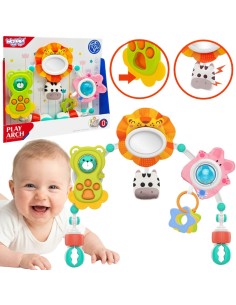

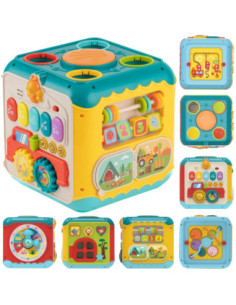
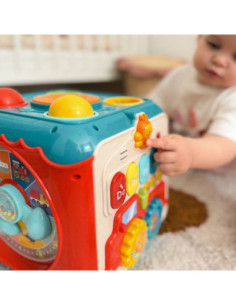
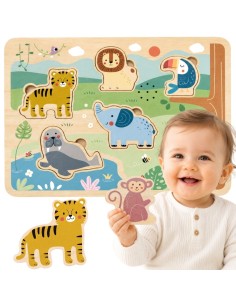
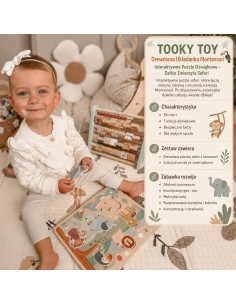
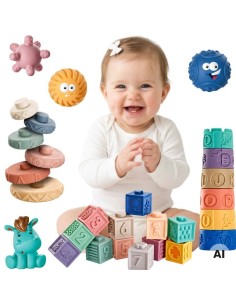
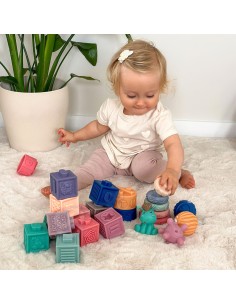

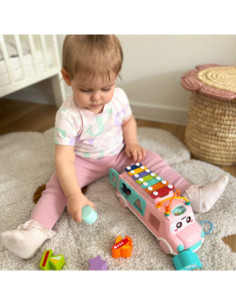
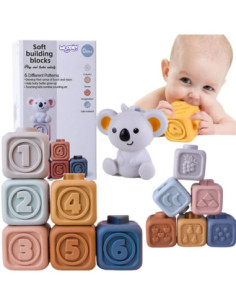
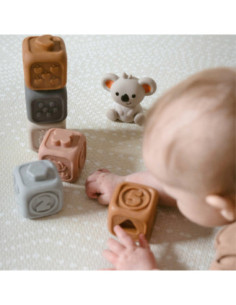
Educational toys are a versatile product category that combines play with skill-building and practical everyday learning. For B2B partners, this means a strong assortment that can be positioned toward parents, preschools, gift buyers, resellers, and online stores looking for products with clear developmental value. Items in this category help children explore, sort, match, build, test, and repeat activities in a way that feels engaging rather than demanding.
The range is especially useful for sellers who want to build a clear, structured offer around age, skill level, and type of activity. Educational products can support first learning experiences, sensory exploration, hand-eye coordination, logical thinking, memory, creativity, and concentration. Because many of these toys are easy to explain in product listings, they are also convenient for marketplace sales, paid campaigns, and category-based navigation in an online store.
Retail customers often look for toys that do more than entertain. They want products that support development, encourage independent play, and offer value in daily use. Educational toys meet these expectations because they can be presented as tools for learning through play, which is a message that works well across many channels. For sellers, this creates a stable category with broad search intent and strong cross-selling potential.
In wholesale catalogs, educational products are also easy to segment. You can group them by age, theme, level of difficulty, or the skill they support. This makes it simpler to prepare bundles, seasonal offers, gift sets, and starter selections for new customers. It also helps reduce return risk, because the buyer can more easily choose a product that matches the child’s stage of development.
For stores running multiple sales channels, the category is practical because the product descriptions usually translate well into marketplace listings. Clear feature sets, visible benefits, and simple use cases are easy to adapt for Allegro, Amazon, Erli, and Empik Marketplace. When catalog data is well organized, the same assortment can be distributed across several channels without rebuilding content from scratch.
Educational toys are not limited to one age group. Some products are made for toddlers who are just beginning to explore shapes, colors, textures, and simple cause-and-effect actions. Others are designed for older children who need more complex tasks, better focus, and more advanced logical thinking. This wide spectrum is valuable for trade partners because it allows the offer to grow with the customer’s needs.
In the earliest stages, toys often support sensory discovery, basic recognition, and simple manipulation. They may include sorting elements, matching tasks, stacking activities, or moving parts that encourage repeated actions. These products can be presented as a natural choice for children who are developing fine motor skills and learning how to concentrate on a task for a short period of time.
For children who already know the basics, more advanced educational toys can introduce problem solving, memory training, pattern recognition, and independent experimentation. These items are attractive in retail because they offer a clear next step in the product journey. A customer who has already bought a simpler toy can later return for a more challenging version, which supports repeat sales and customer loyalty.
The educational segment includes many different toy formats, and each one can serve a distinct role in your assortment. Some products focus on direct learning, while others support development more indirectly through hands-on play. A balanced offer gives your customers more reasons to buy and gives your store better opportunities to match different shopping intentions.
This variety makes it easier to create product clusters and merchandising paths in an online store. A buyer browsing one educational item can be guided toward related formats, age-appropriate alternatives, or complementary learning toys. For B2B sales, that means a stronger average order value and better category performance.
From the shopper’s perspective, educational toys are attractive because they combine entertainment with meaningful activity. Parents often want products that keep children engaged while also supporting development, and this category offers a straightforward answer to that need. For trade partners, the same products can be positioned as dependable, easy-to-understand items with long-term demand.
Many educational toys also work well in contexts where a child benefits from additional support in development, focus, or sensory exploration. Some products are chosen because they help children practice movement, coordination, perception, or communication at a pace that feels comfortable. In such cases, the toy becomes not just a source of play but also a helpful part of daily routines.
This is particularly relevant for stores that serve a broad audience, including families looking for toys for rehabilitation-related play or for developmentally supportive activities. A clear, respectful product description helps the customer understand the benefit without overpromising. That kind of communication builds trust and improves conversion.
A strong product presentation can significantly improve the performance of this category. Buyers need to know what the child can practice, what kind of interaction the toy offers, and what makes it different from a standard play item. When those points are clear, the product is easier to filter, compare, and purchase.
For online store owners and resellers, the most effective descriptions usually include the age range, the main skill being developed, the type of play, and any practical features such as durability, portability, modularity, or simple cleaning. These details help customers make faster decisions and reduce the need for manual support from your sales team.
If your business runs on XML product feeds or automatic catalog updates, educational toys are a good fit for structured publishing. Stock, price, and attribute synchronization help keep the assortment current across channels. That matters when you sell through your own store and marketplaces at the same time, because even small data mismatches can create operational problems and customer dissatisfaction.
Educational toys are well suited to multi-channel distribution because they are easy to classify and usually have broad consumer appeal. That makes them convenient for Allegro, Amazon, Erli, and Empik Marketplace, where customers often search by age, learning goal, or toy type. A well-structured assortment can therefore generate traffic from several purchasing paths at once.
For marketplace sellers, consistent product data is especially important. Ready images, complete descriptions, and accurate specifications save time and make it easier to launch new listings quickly. When the same content can be reused across channels, your team spends less time on manual editing and more time on pricing strategy, promotion planning, and inventory management.
Automation also supports dropshipping businesses and larger resellers. If the category is connected to live stock and price synchronization, you can reduce the risk of overselling and keep the offer aligned with supplier availability. This is particularly useful in segments where customers expect fast shipment and up-to-date information. A reliable data flow can therefore improve both customer satisfaction and internal efficiency.
Educational toys are not only everyday items. They also perform well as gifts for birthdays, holidays, and milestones such as starting preschool or beginning a new learning stage. This makes them a useful category for seasonal merchandising and targeted promotions. Customers often want a present that is attractive, useful, and easy to justify, and educational toys satisfy all three conditions.
In practice, this opens the door to bundles and themed collections. For example, you can create sets for early learning, sensory discovery, school preparation, or focus training. You can also combine simple educational toys with complementary products such as activity books, puzzles, or creative sets. These combinations help increase basket size while giving the customer a clearer shopping path.
Because the category is broad, it can support multiple price points. Smaller items are useful for impulse purchases and add-on sales, while more advanced sets can be positioned as premium gifts or higher-value learning solutions. This flexibility is an advantage for wholesale buyers who need assortment depth without making the category feel fragmented.
When building an educational toy category, it is useful to think in terms of learning outcomes rather than just product types. A customer browsing your store may not be looking for a specific object; they may be looking for a way to support memory, concentration, or manual skills. Organizing products around these outcomes can make the category easier to navigate and more persuasive.
It is also worth balancing simple and advanced items. Entry-level toys attract first-time buyers and younger children, while more demanding products keep the category relevant for older age groups. This helps prevent the assortment from becoming too narrow. A balanced structure also supports upselling, because a customer can move naturally from one developmental stage to the next within the same store.
For B2B partners, educational toys are particularly effective when product pages are backed by clear visuals and concise benefit statements. Ready-to-use product descriptions and images reduce onboarding time and improve consistency across platforms. That is important whether you manage an independent store, sell through marketplaces, or distribute products to other retailers.
Educational toys stay relevant because they answer a lasting customer need: helping children learn through play. Trends in packaging, color, or format may change, but the core demand remains stable. That makes the category a practical anchor in a toy wholesaler’s catalog and a dependable component of a wider retail strategy.
Another advantage is the wide range of buyer motivations. Some customers are focused on early development, some on school readiness, some on sensory stimulation, and others on finding a thoughtful gift. Educational toys can speak to all of these audiences without requiring a completely separate category structure. This gives your store more flexibility in merchandising and content creation.
For companies that operate across multiple sales channels, this category is also efficient from an operational perspective. Product feeds, attribute mapping, and automatic updates can be standardized across the assortment, which simplifies expansion. Combined with stock and price synchronization, this creates a strong foundation for scalable growth.
Educational toys are a strong and practical category for wholesalers, resellers, and e-commerce businesses. They combine clear developmental value with broad market appeal, making them easy to present, easy to organize, and easy to sell across multiple channels. The category supports everything from simple early-learning items to more advanced toys that build logic, concentration, coordination, and creativity.
For B2B sales, the most important advantages are assortment flexibility, strong search relevance, and good potential for bundling and repeat purchases. For online stores and marketplace sellers, the category is equally valuable because it works well with ready product descriptions, structured data, XML integration, and automatic synchronization of stock and prices. That combination helps keep the offer current and reduces manual work.
If you are building a toy catalog for long-term growth, educational products provide a solid foundation. They are easy to position, useful for many age groups, and adaptable to modern multi-channel sales. That makes them an excellent choice for stores that want to combine commercial performance with meaningful value for customers.