
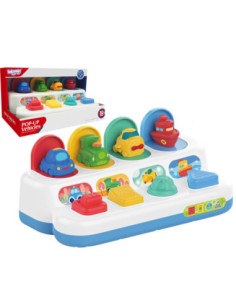

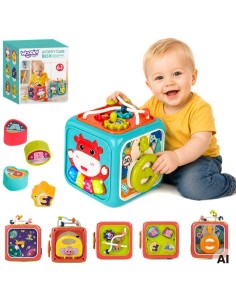
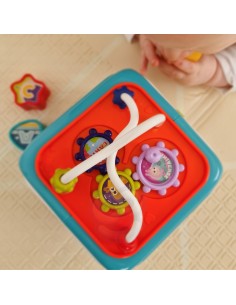
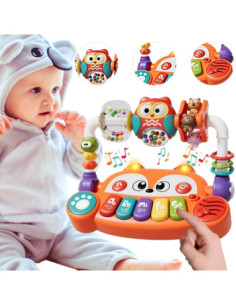

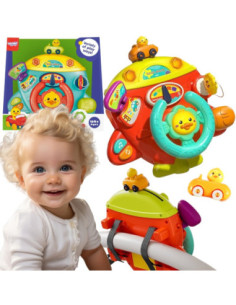


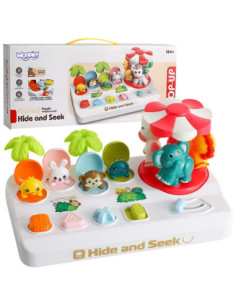
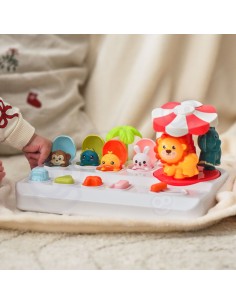
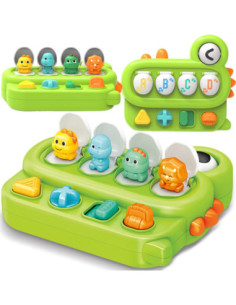

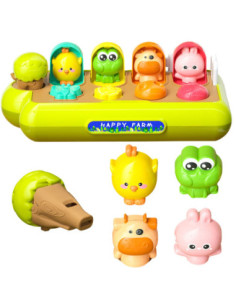
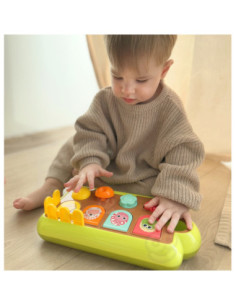
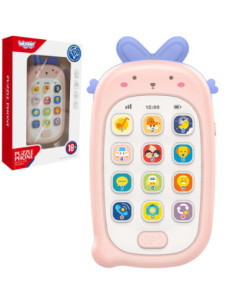

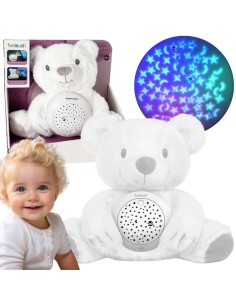

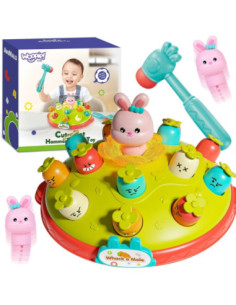





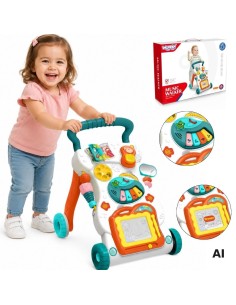
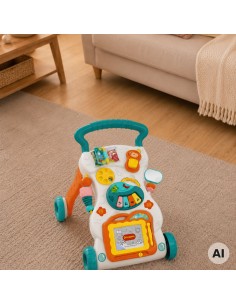

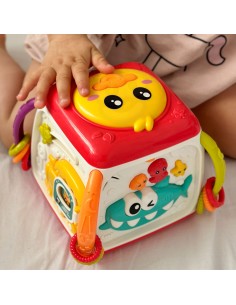
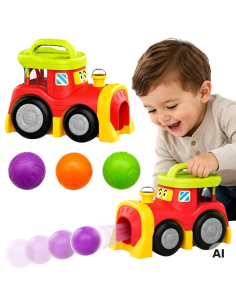



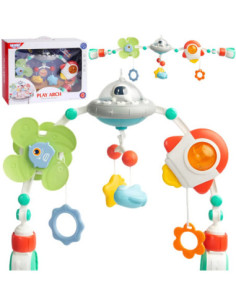

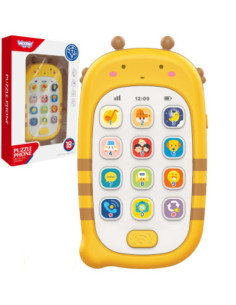

Interactive toys are one of the strongest category choices for B2B toy retailers because they attract attention quickly, communicate value instantly and create a clear reason to buy. Products that respond to touch, movement, sound or light are easier to present in an online offer than passive items, since their main advantages can be explained in a simple, concrete way. For store owners, marketplace sellers and distributors, this means a category with strong visual appeal, good cross-selling potential and a high chance of repeat demand in both everyday sales and seasonal peaks.
In practice, interactive toys help transform browsing into purchase decisions. Customers usually want to know what the toy does, how it reacts and what makes it different from standard products. When the assortment is built around clearly described functions, the offer becomes more persuasive and easier to manage across channels. That is especially important for sellers working with Allegro, Amazon, Erli or Empik Marketplace, where product presentation must be concise, accurate and attractive at the same time. Ready product descriptions and images make it easier to launch listings faster and keep communication consistent across all sales channels.
Interactive products combine entertainment, learning and immediate engagement. A child can press, shake, listen or watch a reaction, and that instant feedback often becomes the main reason the product stands out from the rest of the catalog. For retailers, this is valuable because it makes the category easier to market and easier to convert. The more clearly a toy shows its function, the more likely it is to trigger purchase interest in a search result, category page or marketplace listing.
This category is also useful from a merchandising perspective. Interactive toys work well as standalone products, but they also support bundling, gift sets and age-based offer construction. They can be presented as toys for younger children, educational models, sensory toys, music toys or action-based products, depending on the exact assortment. That flexibility helps sellers build logical collections without losing the simple selling message that customers expect.
Another advantage is the strong emotional appeal. Buyers often look for toys that feel more alive, more engaging and more memorable than basic items. Interactive toys naturally create that effect, which is why they are frequently chosen as gifts, reward purchases and seasonal bestsellers. For B2B partners, this gives the category real commercial value: attractive products, understandable benefits and a wide buying audience.
Interactive toys can cover a broad range of product families, and each one can serve a different sales purpose. Some products focus on sensory stimulation, others on sound and light effects, while others respond to a child’s actions in a more advanced way. This diversity allows wholesalers and resellers to match the assortment to the age group, price segment and sales channel they serve.
Common product types include musical toys, light-up toys, talking or responding toys, toys with movement functions, educational interactive models and sensory-friendly items designed to support attention and engagement. Some products are intentionally simple and intuitive, which makes them easy to sell to parents looking for a quick, understandable purchase. Others offer more features and therefore work well as premium items or gift-oriented products.
For some children, interactive toys are especially valuable because they help support focus, motivation and sensory experience in a playful way. This can be important not only in everyday play, but also for children who benefit from toys that encourage interaction despite developmental difficulties, health-related barriers or rehabilitation needs. When the assortment includes such products, the category can serve a broader audience and meet more specific customer expectations.
From a retail point of view, the best-performing products usually have a few things in common. They are easy to understand, visually appealing and able to demonstrate their function without long explanations. They also have a clear age fit and a practical benefit, whether that is entertainment, learning, sensory stimulation or repeated play value. When these features are communicated well, customers are more likely to trust the product and complete the purchase.
Buyers also pay attention to what is included in the package, how the toy is powered and whether it is simple to start using. These practical details matter because they influence satisfaction after purchase. If the product is intuitive and the description is clear, the chance of misunderstandings is lower. That is useful for online stores and marketplace sellers alike, since good communication helps reduce unnecessary questions, returns and complaints.
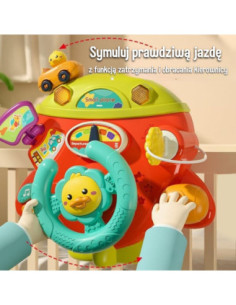
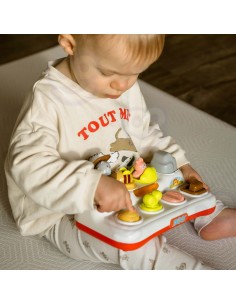
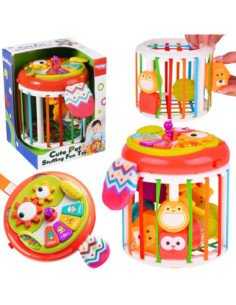
Interactive toys often have a strong “demo effect”. Even a short description can show why the toy is interesting, because the function itself becomes part of the product appeal. This is one reason why high-quality images and structured product data matter so much in this category. They help the customer imagine the toy in use and understand its value quickly.
For B2B partners, interactive toys are not only attractive products but also efficient products to manage. When the catalog is supported with ready descriptions, images and structured product data, publishing new offers becomes much faster. This is particularly helpful for stores that operate in multiple channels and need to keep listings consistent across different platforms. With XML integrations and automated synchronization of stock and prices, sellers can update their offer with less manual work and fewer errors.
That operational simplicity matters because interactive toys often move quickly when demand rises. Seasonal periods, gift-buying moments and promotional campaigns can create short windows of high sales volume. If stock data is up to date and pricing is synchronized, the offer remains reliable and easier to scale. This is especially relevant for sellers working with dropshipping, reselling or distributed sales models, where availability and speed are critical to customer satisfaction.
Multi-channel selling also benefits from a category like this because interactive products are easy to position in several different contexts. On one channel, they may be promoted as educational toys. On another, they may be framed as gift items or sensory play products. The core product remains the same, but the presentation can be adjusted to fit the platform and audience. That gives retailers more flexibility without increasing the complexity of the assortment itself.
A successful interactive toy offer should balance variety and clarity. Too much variety without structure can make the category hard to navigate, while too little variety can limit its commercial reach. The most effective assortment usually includes products that differ by function, age group, price point and play style, but still share a clear interactive benefit. This creates a category that is easy to browse and easy to shop.
When selecting products, it is worth paying attention to functional clarity, durability and ease of presentation. Toys that react in a predictable way are often easier to advertise because their value proposition can be explained quickly. Products with strong packaging, clear visual features and well-defined usage benefits are particularly suitable for online sales, where customers rely heavily on descriptions and images before making a decision.
Another useful approach is to build subgroups within the category. For example, a store may present interactive toys by reaction type, such as sound-based, light-based or motion-based products. It may also organize them by age or play purpose. This helps customers find the right item faster and supports better conversion. For trade partners, it also creates a more professional and scalable structure for large catalogs.
In wholesale and B2B commerce, the value of a category is not measured only by the appeal of the products themselves. It also depends on how easy they are to list, update and sell across channels. Interactive toys perform well in this environment because they combine clear product features with strong customer interest. When supported by ready content and synchronized data, they can become one of the more efficient product groups in a retailer’s assortment.
Automated processes matter here. A well-managed feed can help keep prices, stock levels and product information aligned across an online store and marketplace accounts. This reduces the risk of outdated offers and improves the reliability of the catalog. For busy sellers, that reliability can make the difference between a listing that converts and a listing that creates extra work.
Interactive toys also support long-term assortment planning. Because they work across multiple customer needs and sales moments, they are useful not only in peak seasons but also as part of a stable year-round offer. A store that builds this category carefully can benefit from regular traffic, better merchandising and stronger category visibility in search results and marketplace environments.
When customers shop for interactive toys, they want confidence as much as entertainment. They look for products that are clearly described, easy to understand and suitable for the intended age group. They also expect practical details such as how the toy works, what features it offers and what makes it different from similar items. The better these points are presented, the easier it is for the customer to choose.
That is why content quality matters so much in this category. Strong descriptions, accurate specifications and supportive images can turn an ordinary listing into a high-performing one. For sellers, this is not just a marketing task but a sales tool. A well-built product page reduces hesitation and improves the chance that the customer will add the item to cart immediately.
Interactive toys are therefore a category with both emotional and operational value. They appeal to children, reassure parents and give retailers a practical product group to work with. For online stores, marketplace sellers and B2B distributors, they offer a strong combination of demand, presentation potential and multi-channel usability. With the right assortment and the right product data, this category can support steady growth and more efficient sales management.
Summary
Interactive toys are a strong category for B2B toy wholesalers because they combine clear functionality, broad customer appeal and excellent potential for online presentation. They work well in webshops and on marketplace platforms, especially when listings are supported by ready descriptions, images and accurate data. For sellers using XML integrations, automatic stock and price synchronization, or dropshipping models, this category is especially practical to manage. It helps build an offer that is attractive, understandable and ready for multi-channel sales.