
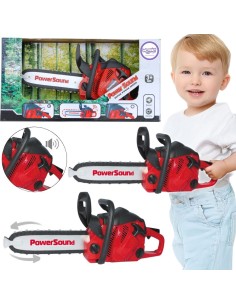

SKU: 30418


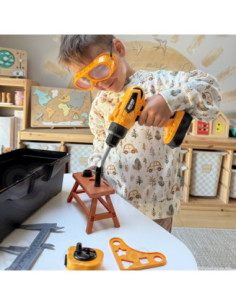
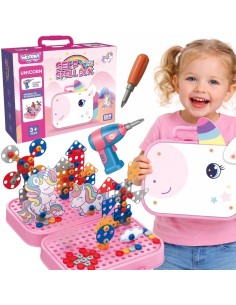
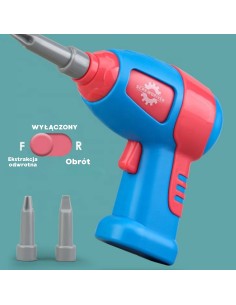
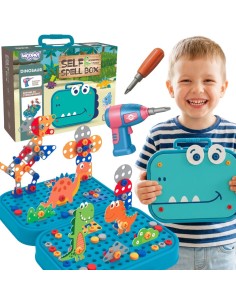
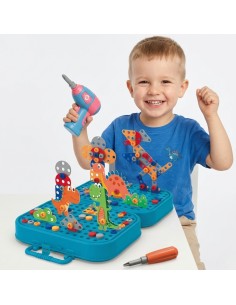
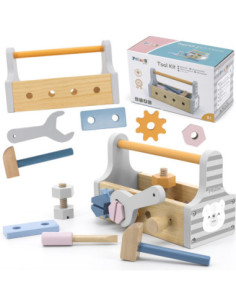
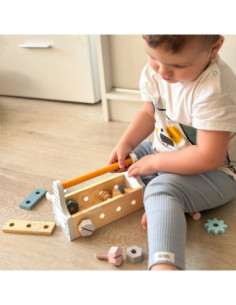
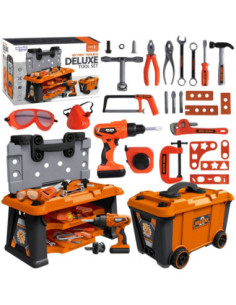

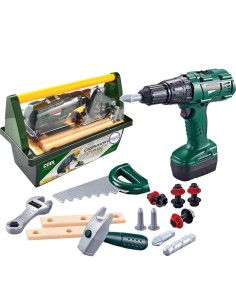

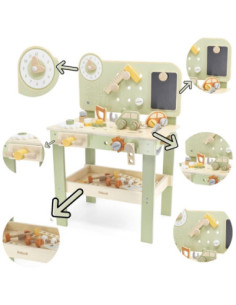
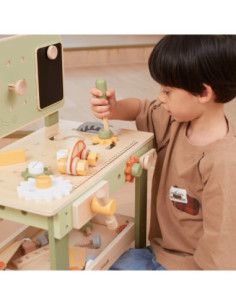
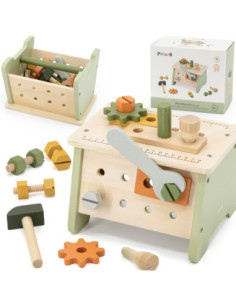
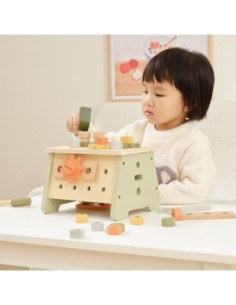
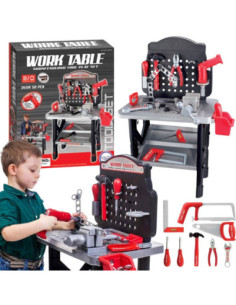
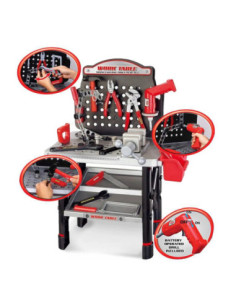
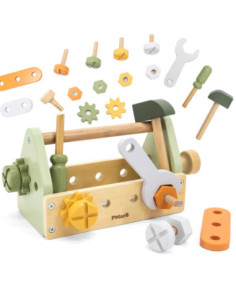


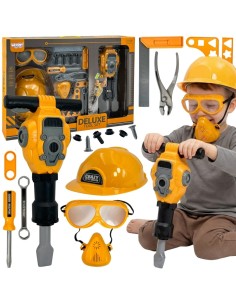
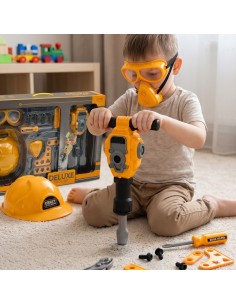
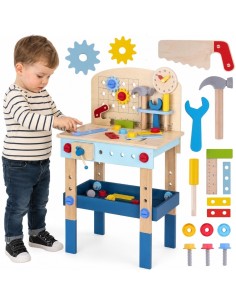

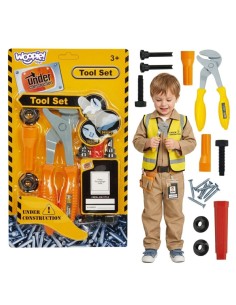
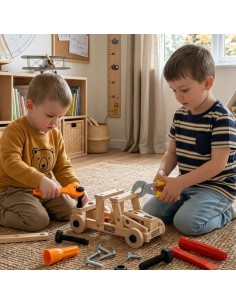
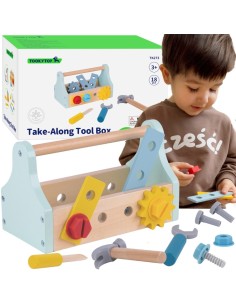
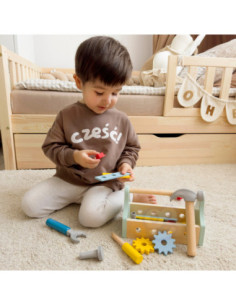
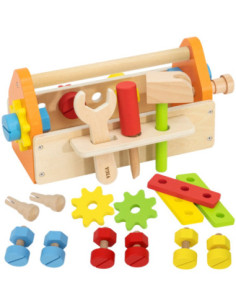
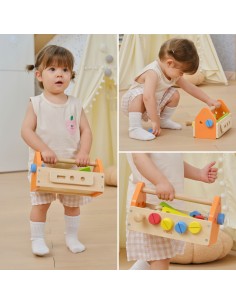
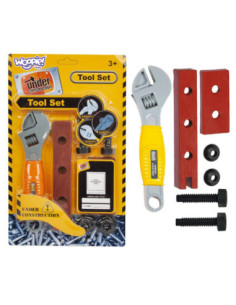
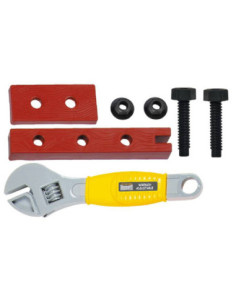
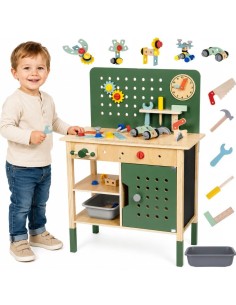
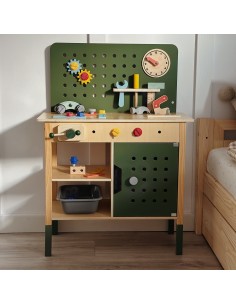
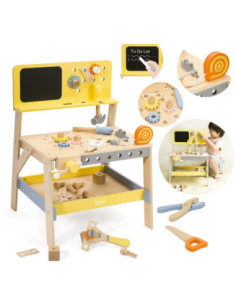

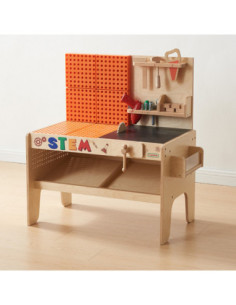
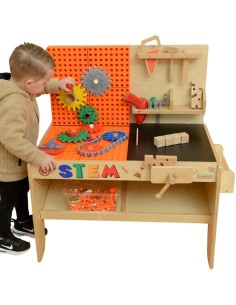
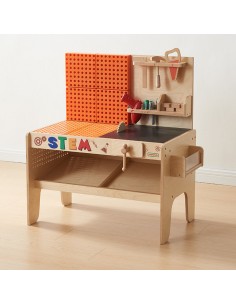
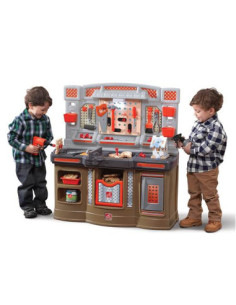
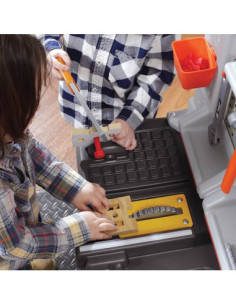
DIY toys are a strong category for B2B buyers who want products that combine creativity, hands-on activity and clear retail appeal. In online stores and marketplace listings, this assortment works well because it is easy to explain, visually engaging and relevant for customers looking for gifts, educational play and activities that keep children busy in a meaningful way. For resellers, distributors and dropshipping partners, DIY items can support steady sales thanks to their broad age appeal and the strong interest in practical, make-and-create play.
In this category you will find products that encourage children to build, assemble, decorate, repair, experiment and complete step-by-step tasks. Such toys naturally attract parents and caregivers who value play with a visible outcome. From the commercial point of view, that is a major advantage: the customer quickly understands what the product is, what it enables and why it is worth buying. Clear product logic helps improve conversion, reduces hesitation and supports better performance in e-commerce channels.
DIY products are popular because they offer more than simple entertainment. They support manual skills, concentration, patience and the ability to follow instructions. Children can work with their hands, complete small projects and enjoy the result of their own effort. That makes the category attractive not only for end customers, but also for stores that want to build a collection with a strong educational and practical message.
For B2B sellers, this means an assortment that can be positioned in many ways. Some items fit creative play collections, while others work as educational toys, family activity products or gift ideas. The variety of formats allows you to match different customer expectations and build a balanced offer across price points, age ranges and seasons.
The strongest feature of DIY toys is active participation. Instead of passive play, the child gets materials, tools or parts and follows a sequence of actions. This type of engagement is especially attractive for parents who want toys that keep children focused for longer and offer a satisfying final result. Depending on the product, play may involve building, colouring, connecting, decorating, fixing or creating objects from components.
For your sales catalogue, this means products can be presented around the result, the process or the skill level. Some customers are looking for a simple starter set, while others want more advanced activities that offer a bigger challenge. This makes it easier to design category pages, filters and sub-collections that support browsing and increase basket value.
DIY is a flexible category because it can include simple, child-friendly products as well as more complex sets for older children. This gives online sellers room to create a structured offer that covers multiple customer segments. A well-built assortment helps you serve parents searching for beginner-friendly items, as well as buyers who want something more challenging and engaging.
That flexibility is particularly useful in B2B commerce. A store can organise the offer by age, difficulty, theme or activity type. It is also possible to build themed bundles, seasonal sets or gift-oriented pages. The result is a clearer shopping path and a more efficient presentation of the range, which is valuable both for retail customers and trade partners.
Some products in this area can also be attractive to families looking for calming, focused and developmental play. Hands-on activities may support children who benefit from structured tasks, sensory involvement and repetitive movement. For wholesalers and resellers, this broadens the commercial use of the category and makes the assortment more relevant in different purchasing contexts.
DIY toys sell best when the listing shows exactly what the customer receives and what can be done with the product. Buyers expect clarity about components, difficulty level, age suitability and the final effect. This is why high-quality product data is so important in online retail. A strong product card can reduce questions, improve trust and support faster purchase decisions.
As a B2B wholesaler, we know that partners often need ready-to-use content that saves time and keeps listings consistent. Product descriptions and images are especially useful when you manage many SKUs or prepare offers for multiple sales channels. Clear content also improves search visibility and helps customers compare products more easily.
This category works particularly well in multi-channel commerce because it can be presented consistently across an online shop, Allegro, Amazon, Erli and Empik Marketplace. DIY products are easy to categorise, easy to visualise and usually straightforward to communicate in listing titles and descriptions. That makes them suitable for sellers who need a scalable and repeatable workflow.
With XML integration, stock synchronization and price synchronization, partners can keep their offers up to date without manual repetition. That reduces the risk of overselling and helps maintain a professional standard across all channels. Automation is especially useful for sellers handling dropshipping, fast-moving stock or a wide product portfolio. The category therefore fits both growing e-commerce businesses and established trade partners looking to streamline operations.
For resellers, the commercial value also lies in how easy the products are to manage. When data is structured well, a store can refresh inventory, adjust prices and update offer content much faster. This creates more room for sales work and less operational friction.
To make the most of this category, it helps to organise products in a way that reflects customer intent. Some buyers search for creative gifts, others want educational toys, while many simply look for a fun activity that keeps children engaged at home. A well-planned assortment can address all these needs at once.
Retailers can also increase the average order value by grouping DIY products into thematic sets or by presenting them alongside complementary toys. Seasonal promotions work well too, especially during holidays, school breaks and periods when families spend more time indoors. Because the category is diverse, it can support both everyday sales and campaign-driven traffic.
DIY toys remain attractive because they answer a simple customer need: play that feels active, rewarding and purposeful. Children enjoy making something themselves, while parents value products that offer more than short-term distraction. For a B2B toy wholesaler, that creates a category with strong commercial logic and wide application across retail formats.
Whether you operate an online store, sell on marketplaces, work in dropshipping or supply other trade partners, this category can support a stable and appealing assortment. It is easy to present, easy to explain and well suited to data-driven sales processes. With ready descriptions, product images and automation tools, you can introduce offers faster and manage them more efficiently across channels.
If you are building a catalogue that needs both creative appeal and practical selling power, DIY is a category worth developing. It gives your customers a clear reason to buy and gives your business a flexible product group that can perform well in many sales scenarios.