

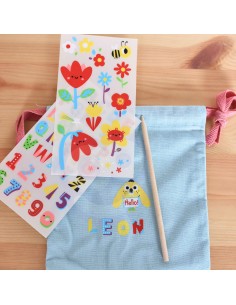


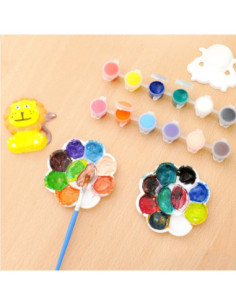
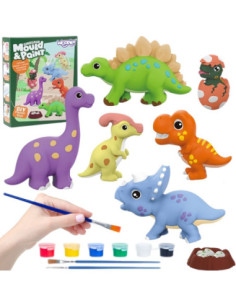
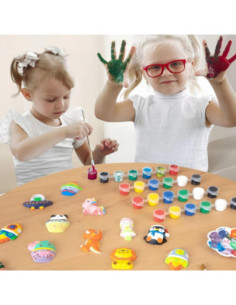

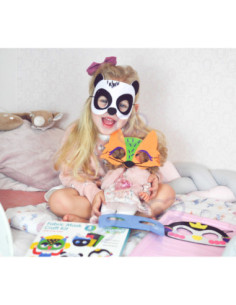
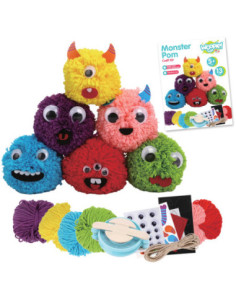
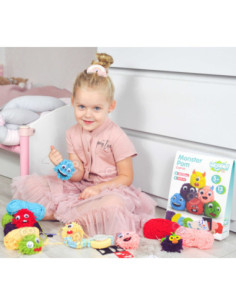
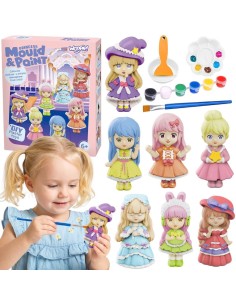
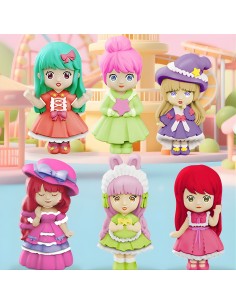
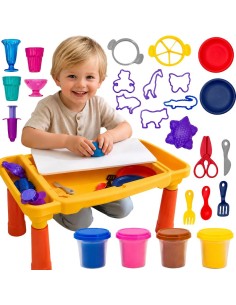
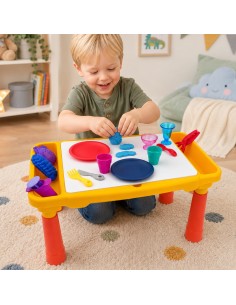
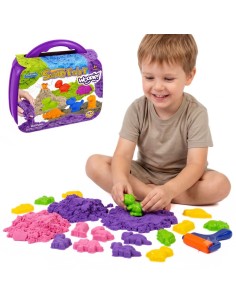
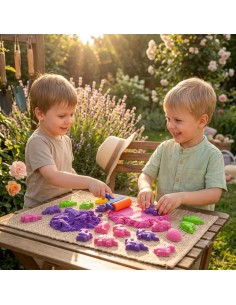
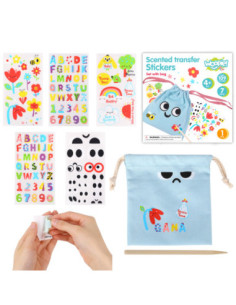

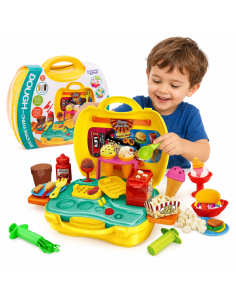
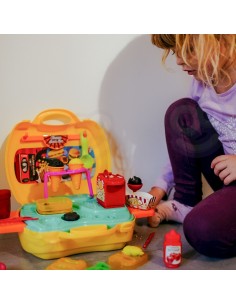
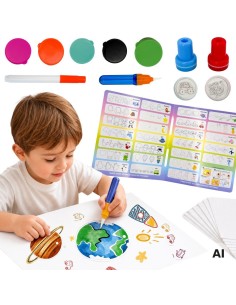
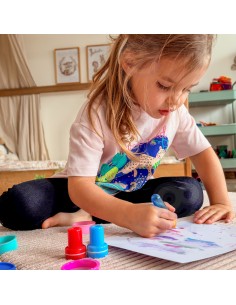
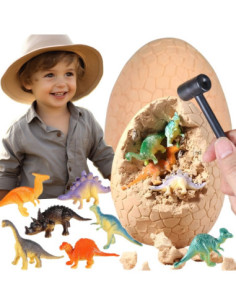
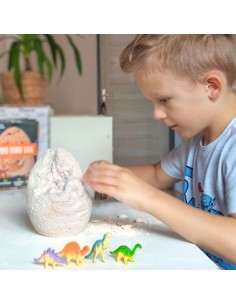
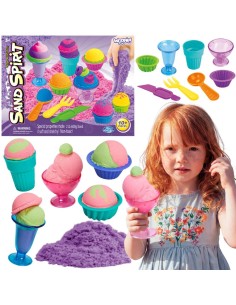
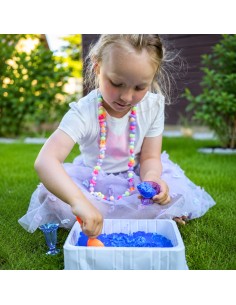
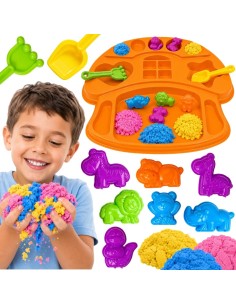
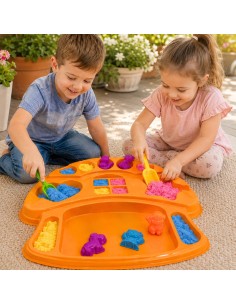
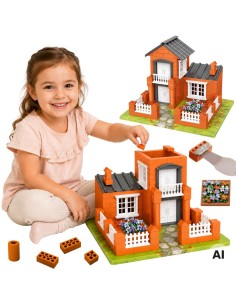
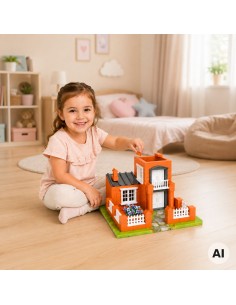
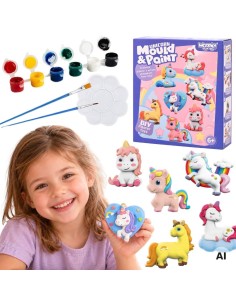
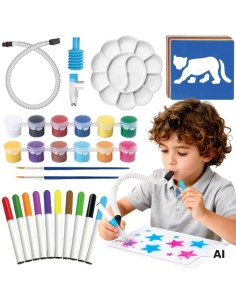
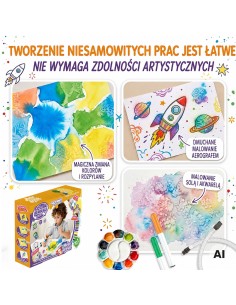
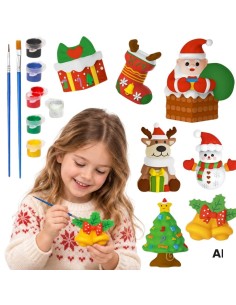
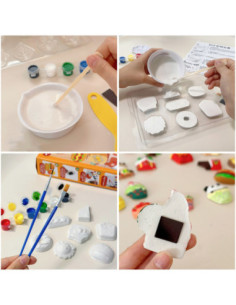
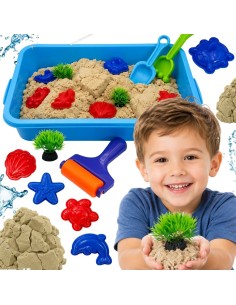
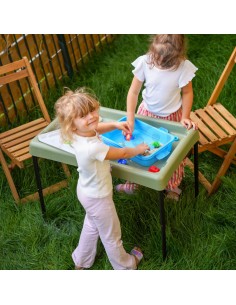
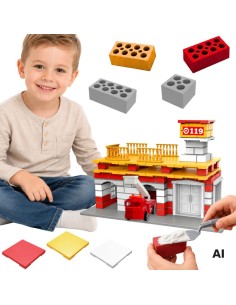
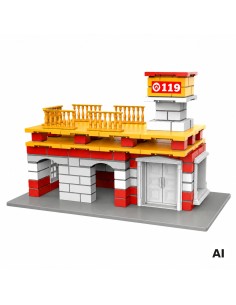
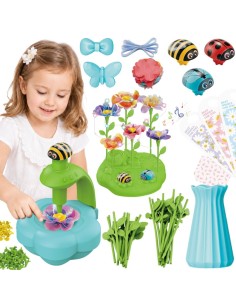
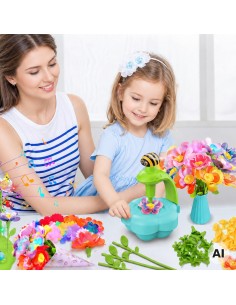
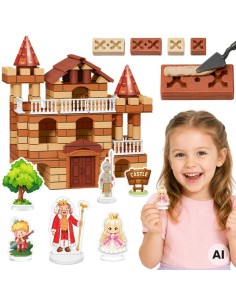
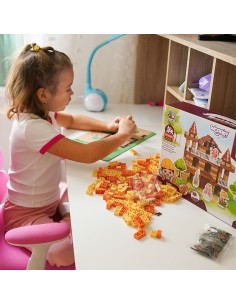
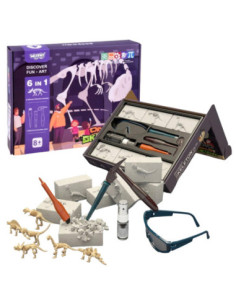
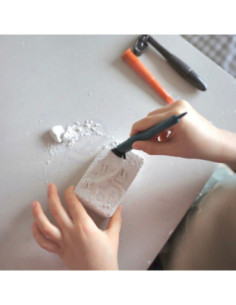
Handicrafts products help children turn simple materials into finished projects they can proudly show at home, at school, or during group activities. For B2B sellers, this category is a practical way to offer items that combine creative play, learning, and repeat demand throughout the year. Craft kits and creative supplies are easy to present in online stores because their value is clear at first glance: the customer sees what the child makes, what skills are exercised, and why the set is worth buying.
In wholesale and multi-channel sales, products from this category work especially well because they are easy to describe, photograph, and classify by age, theme, and level of difficulty. That makes them suitable for online shops, marketplace listings, and dropshipping models where clear content matters. When a product has a well-prepared description, ready images, and accurate stock data, it becomes much easier to publish it across several channels at once and keep the offer consistent.
Handicrafts kits are more than entertainment. They encourage children to cut, glue, assemble, decorate, and complete step-by-step tasks, which naturally supports manual skills and concentration. Many products in this category also stimulate imagination and patience, because the child follows a sequence and sees a visible result at the end. This is particularly important for parents, teachers, and activity leaders looking for engaging products that feel useful as well as fun.
From a sales perspective, that educational and creative value makes the category attractive all year round. It fits seasonal demand linked to holidays, school activities, home play, rainy days, and gift purchases. For resellers and distributors, it is a category that can be expanded with small, medium, and larger formats, giving room for budget offers, premium craft sets, and themed assortments.
Customers usually buy creative sets faster when they can immediately understand the content and result. That is why handicrafts products perform well in online retail: the visual effect is easy to communicate, and the purchase decision often depends on a simple question: what will the child make? If the answer is clear, conversion usually improves. This is also why product cards should include concise information about the set contents, difficulty level, intended age group, and expected outcome.
For store owners, this category reduces friction in the sales process. A good description answers common questions before they are asked, which lowers the number of support requests and helps buyers choose the right item without hesitation. It also supports cross-selling, since creative kits can be combined with storage boxes, art accessories, school supplies, or complementary play sets.
One of the main strengths of this category is its flexibility. Younger children need simple formats with larger elements, easy instructions, and safe materials. Older children can handle more detailed projects, multi-step construction, and more precise decorative tasks. That means wholesalers can build a range that covers preschool, early school age, and more advanced creative users without changing the overall category logic.
This flexibility is useful in B2B sales because it helps partners create clearer subcollections and better storefront navigation. Customers appreciate product groups sorted by age, theme, and purpose, especially when they want to browse quickly and compare options. A well-structured assortment also makes it easier to update offers through XML integrations, maintain accurate stock and price synchronization, and keep multiple sales channels aligned.
For marketplace sellers, it is especially important that product pages are consistent and complete. On Allegro, Amazon, Erli, and Empik Marketplace, buyers often scan listings quickly, so a clear title, a reliable description, and strong imagery can have a direct impact on performance. Handicrafts products are well suited to this environment because their purpose is easy to explain and their final effect is usually attractive in photos.
Craft and creative play items often sell well because they are easy to understand, easy to gift, and suitable for both individual and group use. A single product can be relevant to families, schools, activity centres, and retailers building assortments for regular seasonal traffic. That practical versatility gives the category strong commercial value, especially for businesses that want to maintain a stable offer without relying on one narrow customer segment.
Another advantage is that many handicrafts products encourage repeat purchases. Children who enjoy one creative project often want another one, and parents frequently look for new activities that are engaging but uncomplicated. That creates space for bundles, themed series, and complementary offers. For wholesale partners, this can translate into better basket values and easier collection planning.
In modern B2B commerce, the product category has to support not only retail appeal but also operational efficiency. Handicrafts items work well in systems where data is synchronised across channels, because their descriptions can be standardised without losing clarity. That makes them a solid choice for partners using automation, feed exports, and multi-channel management tools.
When you handle a wide assortment, the ability to reuse structured content matters. Ready descriptions and product images reduce launch time and make it easier to add new items to an existing catalogue. If stock levels and prices are updated automatically, the offer stays current even when the same products are sold through a shop, marketplace accounts, and dropshipping partners at the same time. This is especially valuable for distributors who need to move quickly and avoid outdated listings.
From a commercial standpoint, creative products are also attractive because they do not require complicated customer education. They are intuitive, visually appealing, and easy to promote in newsletters, category pages, and seasonal campaigns. That means less time spent on setup and more time focused on sales performance.
Creative activities can also be relevant for children who need gentle, supportive play formats that encourage hand-eye coordination, focus, and independent action. Handicrafts products may be useful in environments where children benefit from calm, structured tasks and tangible results. This gives the category an additional layer of value beyond standard entertainment, making it attractive to schools, therapists, caregivers, and families looking for purposeful activities.
For retailers, this broadens the audience without changing the core category identity. A well-chosen craft set can serve as a home activity, a classroom resource, or a small gift with developmental value. That versatility is one reason why the category maintains demand across different periods of the year and across different customer profiles.
Successful assortment planning starts with clear segmentation. It helps to group products by age, complexity, occasion, and creative technique. Some customers will look for simple activities to keep children busy at home, while others want workshop materials or school-compatible sets. The better the structure, the easier it is for buyers to compare items and make quick decisions.
For trade partners, this category can support both small and larger product strategies. A compact offer may focus on a few best-selling creative sets, while a broader range can include themed kits, seasonal projects, decorative items, and items that pair well with art supplies. Because the products are easy to explain and display, they can be integrated into many selling models without requiring complicated merchandising.
Handicrafts products are a reliable category for wholesalers, online retailers, and marketplace sellers who want to offer creative items with clear value and broad appeal. They combine play, learning, and visible results, which makes them easy to market and easy to understand. For the trade side, they offer practical advantages: simple listing creation, strong photo presentation, and good compatibility with automation tools and XML-based integrations.
Whether your business sells through an online store, Allegro, Amazon, Erli, Empik Marketplace, or a dropshipping network, this category can help you build a stable and attractive assortment. With ready product descriptions, synchronised stock and price data, and a structure that supports quick publishing, handicrafts items can become a dependable part of a profitable multi-channel strategy.