
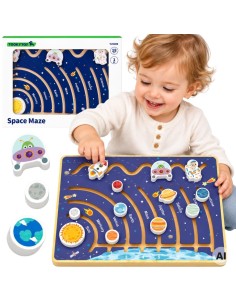
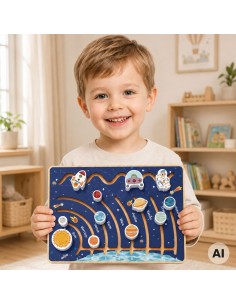
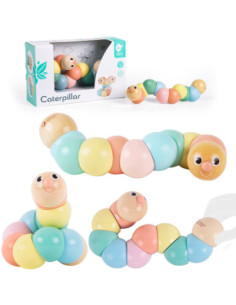

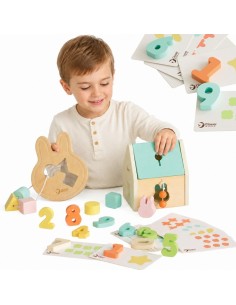
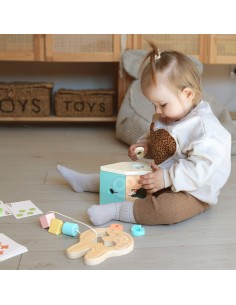
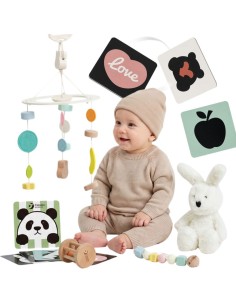
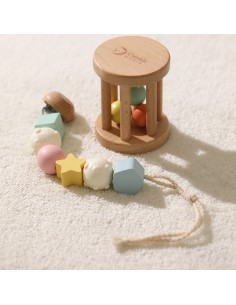
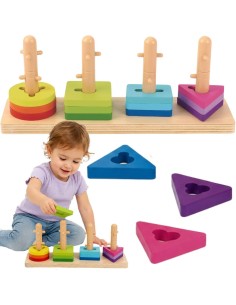
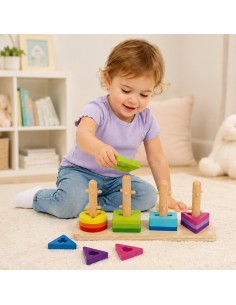
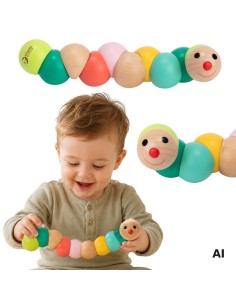
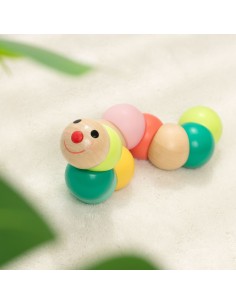
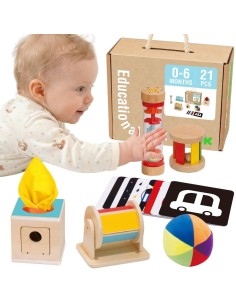
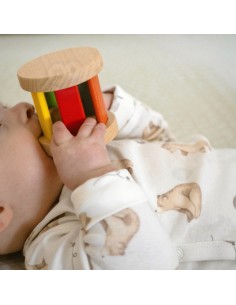
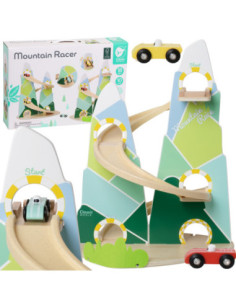
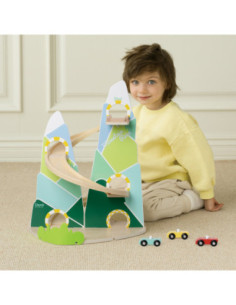
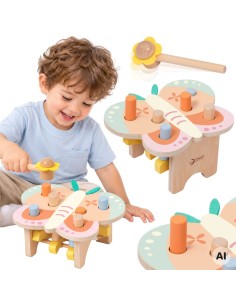
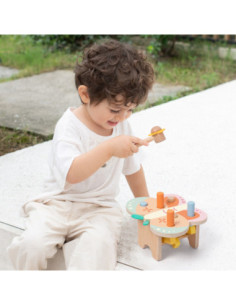
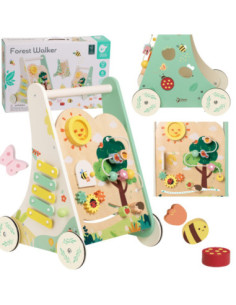
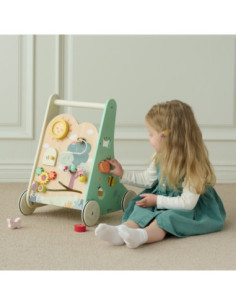


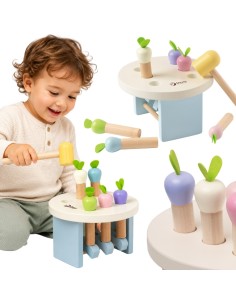

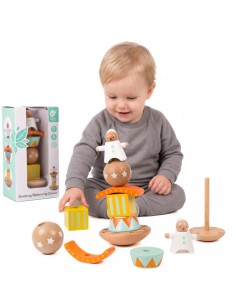

Sensory toys are among the most versatile product lines in a B2B toy assortment because they support play through touch, sound, movement, sight, and other everyday stimuli. For online stores, marketplace sellers, and wholesale partners, this category is a practical way to offer products that are easy to understand, easy to present, and easy to match with different customer needs. Many buyers look for items that can calm, engage, focus attention, or simply offer a more interesting form of play, which is why sensory products perform well across multiple sales channels.
In the toy trade, products that solve a clear need usually convert better than items that require long explanation. Sensory toys fit that rule very well. They are often chosen because they provide a specific effect: a tactile experience, a sound response, a movement challenge, or a visually stimulating element. This makes them easier to sell in e-commerce, on marketplaces, and in dropshipping models where the customer often decides after a quick scan of the offer. For B2B partners, that means a category with broad appeal and a strong repeat-purchase potential.
These products also work well in mixed assortments. They can be sold as standalone impulse purchases, grouped into themed collections, or added to broader development-focused offers. Because the category covers many types of play patterns, it gives resellers more flexibility in positioning products for different age groups and needs.
Buyers usually look for products that are easy to use and immediately understandable. A parent, caregiver, or institutional buyer wants to know what the toy does, what kind of stimulation it provides, and whether it suits a child’s temperament or activity level. That is why sensory products should be described in a clear and functional way. The most effective offers highlight the type of sensation, the way the child interacts with the toy, and the practical benefit of repeated use.
In this category, the most important value is not just entertainment. Sensory items can also support concentration, fine motor activity, calming routines, and exploratory play. They may be used in everyday home play, in educational settings, or in environments where children need additional support because of developmental differences or other barriers. This makes the category relevant not only to general retail buyers but also to partners working with therapy-oriented or special-needs related assortments.
A strong assortment usually includes several product families so that the customer can choose according to the type of stimulation they want to offer. Variety matters in wholesale, because different retailers need different entry points into the category. Some want quiet, calming items, while others prefer more active and attention-grabbing products.
For store owners, this structure makes merchandising easier. Instead of presenting one large and vague category, you can build smaller groups that answer a specific need and help customers choose faster. That often leads to better browsing behavior and fewer abandoned sessions.
The best category pages do more than list products. They guide the buyer toward a solution. In sensory toys, the key is to explain the effect of the product in simple language. If a toy is designed to calm, say so. If it supports grip or hand movement, make that clear. If it offers sound, texture, or motion, mention the sensory mechanism directly. This improves conversion because the customer does not need to interpret a vague marketing message.
For B2B partners, a clear structure also supports cross-selling. A retailer can easily place sensory products alongside developmental toys, activity toys, and items for home use. Marketplace sellers benefit as well because concise and relevant product information improves listing quality and visibility on platforms such as Allegro, Amazon, Erli, and Empik Marketplace.
Sensory products are attractive from a commercial perspective because they can be positioned in more than one buying context. Some customers purchase them as gifts, others as everyday play items, and others because they are looking for a product with a specific developmental or calming function. This flexibility gives resellers more room to target different audiences without changing the core assortment.
In multi-channel sales, the category is especially useful because the product story can stay consistent while the listing format changes from channel to channel. A well-prepared wholesale partner can provide ready product descriptions, product images, and structured data that speed up publishing. That saves time for retailers and helps them keep the assortment active across multiple platforms.
When stock and price synchronization are automated through XML integrations, the category becomes even easier to manage. Sensory products can move quickly in some variants and slower in others, so live availability is important. Automatic updates reduce the risk of overselling and improve operational reliability for stores handling a large catalog or working in dropshipping.
One of the strengths of this category is its ability to serve different use cases without losing clarity. A buyer may want something soft and quiet for a calmer play routine, or something more active and engaging for exploration. A retail catalog should therefore include products that vary by sensory effect, difficulty, and play style.
For practical assortment planning, it helps to group products by the experience they create:
This approach helps retailers talk about products in a way that is understandable to parents and practical for trade customers. It also makes the assortment easier to scale because new items can be placed into an existing functional group without redesigning the whole category tree.
Although sensory toys are popular in general retail, they also have strong value in offers aimed at children who need additional support in play and development. Some children benefit from products that help them process stimuli in a more comfortable way, while others need toys that encourage gradual interaction and more controlled activity. For this reason, the category is relevant in broader development-oriented assortments as well as in selected therapy-adjacent collections.
For wholesale partners, this opens the door to new customer segments. Stores serving parents, educators, support institutions, and specialist retailers may all see value in the same product line if it is presented clearly. The key is to focus on the function of the toy rather than on abstract claims. This creates trust and makes the offer easier to use in both consumer and professional sales environments.
A profitable sensory assortment usually combines a few different price levels and play intensities. Entry products can attract first-time buyers, mid-range items can support repeat purchases, and more elaborate products can increase basket value. This structure is especially useful for stores that want to build category depth without overwhelming the customer.
Retailers often perform well when they combine sensory products with other complementary categories such as developmental toys, motor-skill toys, and activity items. This gives them a natural way to increase average order value while keeping the shopping experience logical. In wholesale, it also supports more stable replenishment cycles because products are used in different purchase scenarios.
For trade customers, category quality is not only about the toys themselves. It is also about the ease of handling the offer. When product data is ready to use, images are supplied, and descriptions are structured for e-commerce, the retailer can launch faster and maintain better consistency. This is particularly important for sellers working across several marketplaces or managing a large catalog with frequent updates.
Automation matters here as well. XML feeds, automatic stock synchronization, and price updates help ensure that the category stays current across all channels. That reduces manual work, limits data errors, and helps partners keep their listings aligned with actual warehouse status. For dropshipping companies and multi-channel sellers, these operational benefits can be as important as the products themselves.
This category is highly adaptable, which makes it effective across different digital sales environments. In a standalone online store, it can be presented through educational, calming, or activity-based themes. In marketplaces, it works well as a clear and searchable offer because the product function is easy to communicate in titles and descriptions. On fast-moving platforms, the combination of strong visuals and concise benefit-led content helps the listing stand out.
That is why many partners use sensory toys as part of a broader cross-channel strategy. The same product can be promoted in a store, listed on Allegro, expanded to Amazon, and supported on Erli or Empik Marketplace, all while keeping the core message consistent. When the catalog is synced and the content is ready, the operational burden stays low and the sales potential remains high.
Sensory toys are a practical category for B2B assortments because they combine broad appeal, clear product function, and strong usability in e-commerce. They support play, exploration, calming routines, and activity-based engagement, which makes them relevant to a wide audience of parents, educators, and professional buyers. For resellers, they offer a reliable way to build a meaningful category with room for expansion.
For trade partners, the real advantage is the combination of product variety and operational readiness. With ready descriptions, images, XML integration, and synchronization of stock and prices, the category can be launched and maintained efficiently across multiple sales channels. That makes sensory products a smart choice for stores that want to expand their assortment with items that are easy to present, easy to update, and easy to sell.