
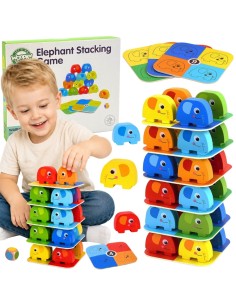
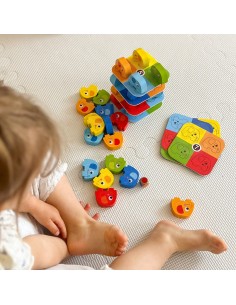

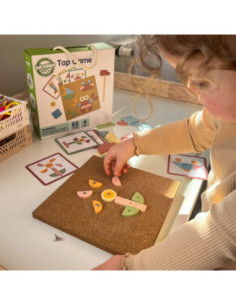


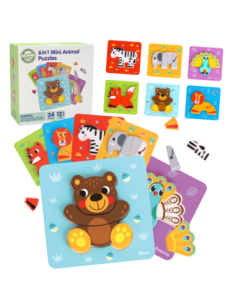
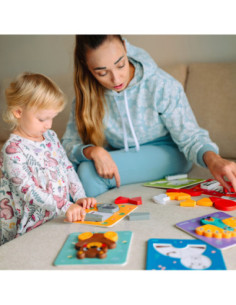


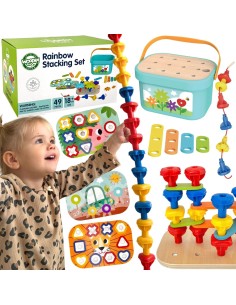
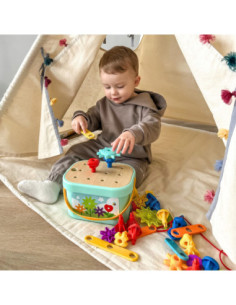
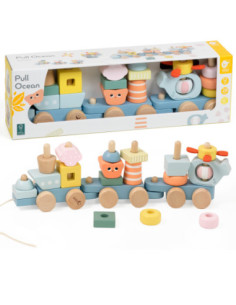
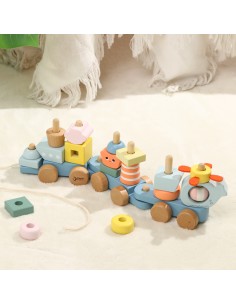
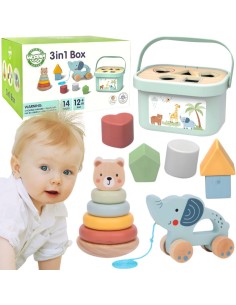
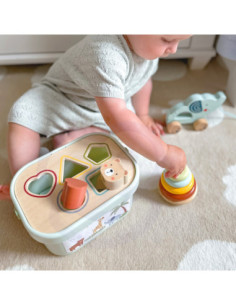
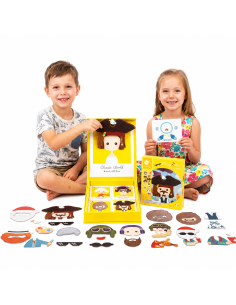


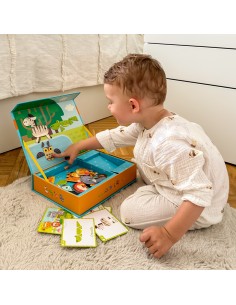
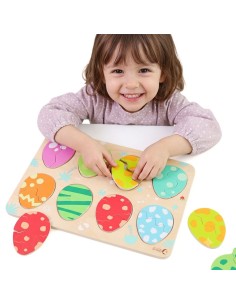
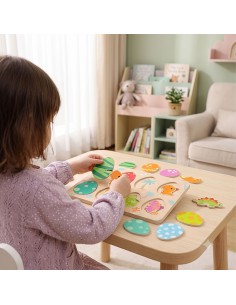
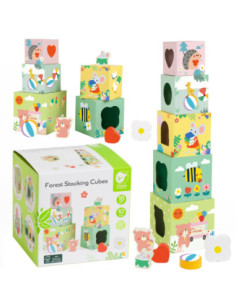
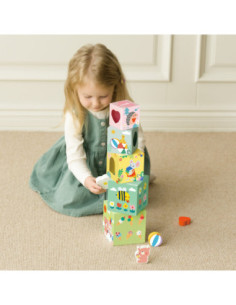
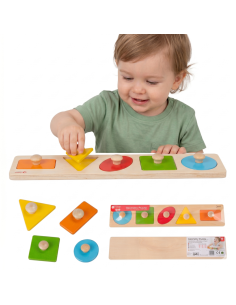
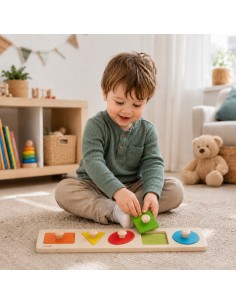
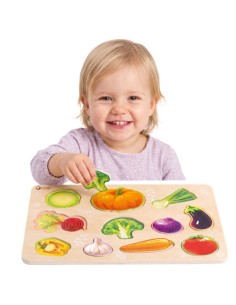
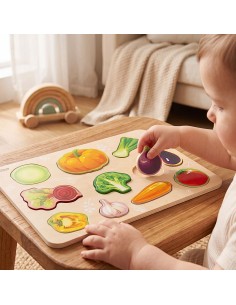
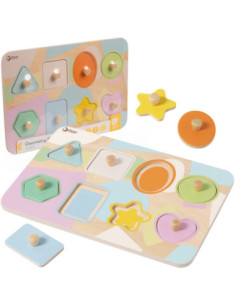
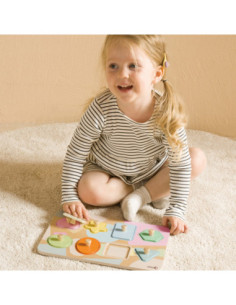
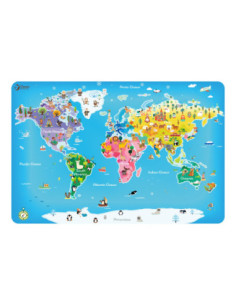

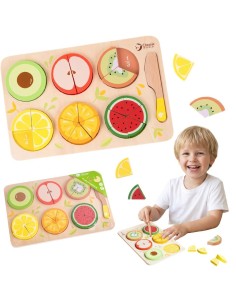
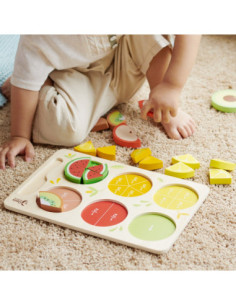
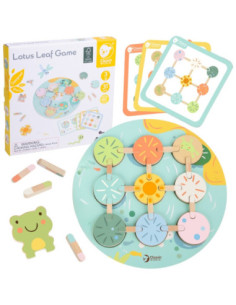
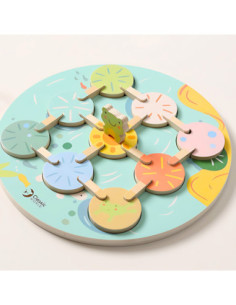


Puzzles and sorters are one of those category groups that stay relevant throughout the year and perform well across many sales occasions. They work as impulse-buy products, gift options and everyday educational toys, which makes them especially useful for B2B partners building a stable assortment for online stores, marketplace listings and dropshipping channels. The combination of clear product purpose, easy age targeting and strong developmental value helps you create a category that is simple to present, easy to sell and attractive to parents looking for toys with a clear benefit.
In this category, the assortment usually includes products that encourage children to match, fit, arrange and complete patterns in different ways. Some items focus on basic shape recognition, others on more advanced image construction, while some are designed to support hand-eye coordination, patience and logical thinking. For trade partners, this is valuable because the category can be structured by age, difficulty level, material, size or theme, making it easier to build a coherent offer for different customer groups.
Puzzles are among the most recognizable products in the segment. They appeal to both younger and older children because they combine play with concentration and a visible sense of achievement. A child can start with simple large-piece formats and later move to more demanding versions with more elements or more detailed illustrations. This progression is useful in retail, since it supports repeat purchases and gives store owners a natural way to guide customers toward higher-value or more advanced items. Puzzles also display well in product cards and category pages, because the benefits are easy to explain without complicated wording: the child focuses, compares shapes, completes an image and practices persistence.
Sorters complement that offer very effectively. These products are especially popular among parents searching for the first educational toys, because they clearly show what the child is supposed to do: place a shape, compare an element, recognize a difference and match the correct opening or space. Sorters often come in compact formats that are easy to store, easy to ship and convenient for travel or home use. For sellers, that means low-friction products with a clear buying logic and a strong fit for marketplace listings where customers want quick, understandable choices.
Many products in this category also support sensory and motor development. Children practice grasping, rotating, comparing, stacking and fitting elements into the right place, which strengthens fine motor skills and visual coordination. In some cases, these toys are also relevant for children who need extra developmental support, because the tasks are simple, repetitive and clearly structured. This makes the category appealing not only in mainstream retail, but also in stores offering developmental toys, therapy-related products or carefully selected items for children with specific needs. The clearer the task, the easier it is for a customer to understand the value of the product.
For B2B buyers, one of the biggest advantages of this category is its versatility. You can position products as gifts, developmental toys, travel-friendly entertainment, preschool learning tools or everyday play items. That flexibility makes it easier to connect the same assortment with multiple sales channels. A puzzle may perform well in a seasonal gift campaign, while a sorter may work better in a listing targeted at toddlers. The ability to present the same category in different ways helps resellers and distributors manage stock more efficiently and build a broader audience without changing the product base too often.
When you create offers for online stores or marketplace sellers, it is worth sorting the category by clear commercial criteria. Age range is often the first filter customers use, followed by theme, number of pieces, size and level of challenge. This is particularly important on platforms such as Allegro, Amazon, Erli and Empik Marketplace, where shoppers compare several options quickly and expect a clean, understandable presentation. If your category structure follows customer logic, your partners can publish products faster and reduce the time needed to answer basic questions about suitability or differences between variants.
Ready product descriptions and images are another strong advantage in this segment. Puzzles and sorters are visually driven products, so a good photo set and a concise, benefit-focused description can strongly influence conversion. For B2B partners, this means less manual work and faster publication of new items across multiple channels. If your catalog is connected through XML, automatic price and stock synchronization can keep the assortment current on each sales platform, reducing the risk of overselling and avoiding order cancellations. This operational stability matters especially when the category includes fast-moving seasonal items or popular toddler products that rotate quickly in stock.
From a merchandising perspective, the category gives you plenty of room to build logical product ladders. A store can start with simple matching toys, then move to more complex puzzles, and later include multi-step sorters or educational variants designed for older toddlers. Such progression is useful for repeat sales because it gives customers a natural reason to return as the child grows. It also helps sales teams and B2B partners recommend the next product level without forcing the customer into a completely different category.
The visual and thematic diversity of the assortment is another reason this category sells well. Animals, vehicles, numbers, shapes, nature themes, household motifs and colorful learning sets all fit naturally here. That variety makes it easier to build seasonal campaigns, gift selections or age-specific landing pages. It also supports cross-selling, since a customer who buys one learning toy may be interested in another product with a similar motif or educational purpose. For stores working across several channels, this kind of structured variety can improve average basket value and make category management more efficient.
Durability and product construction also matter. Customers in this segment often look for toys that can handle frequent use, repeated fitting and active play. Depending on the item, that may mean sturdy cardboard, wood, safe plastic or soft materials suitable for younger children. Clear information about material, dimensions and recommended age helps reduce returns and supports better purchasing decisions. For trade partners, it is useful to present this information consistently so that the same product can be reused across webshops, marketplaces and distributor catalogs without rewriting core data each time.
The category is also a good match for business customers who value clear educational benefits. Parents usually want toys that are more than entertainment, and puzzles and sorters make that value easy to communicate. A child is not just playing; they are comparing shapes, learning sequence, training focus and completing a task. That message works well in product cards, promotional banners and marketplace listings because it is concrete and credible. It also helps resellers present the assortment in a way that feels useful rather than decorative.
In broader B2B planning, this category is convenient because it can be used in multiple selling models. It works in classic e-commerce, in marketplace sales, in wholesale distribution and in dropshipping offers where clear data and stable presentation are essential. Because the products are easy to categorize and explain, they can be added to a larger feed with minimal confusion. If your processes include automated synchronization, updated inventory and structured product content, the category becomes even easier to manage at scale.
Another commercial benefit is that these toys are easy to bundle. Stores can create mixed sets, suggest complementary products or place related items within the same age group. A simple puzzle can sit next to a sorter, a stacking toy or another learning product that builds the next developmental step. This is useful for increasing average order value and for giving customers the impression of a thoughtful, well-organized offer. In B2B sales, that type of arrangement also supports better planning of purchase groups and promotional campaigns.
Because the category is broad but understandable, it can also support frequent restocking without requiring major changes in the storefront. If you work with XML feeds and automatic stock synchronization, you can maintain a live assortment that updates across your channels. This is especially useful for sellers active on Allegro, Amazon, Erli and Empik Marketplace, where product visibility and availability need to stay aligned. A well-managed category like this gives your partners confidence that the assortment is current, consistent and suitable for quick online sale.
For many trade partners, the real value of this category lies in its balance between simplicity and usefulness. It is easy to explain to end customers, yet broad enough to cover several ages, interests and developmental stages. It sells well in gift seasons, in everyday educational purchasing and in listings built around toddler learning. It also works well in catalogs that aim to show a strong foundation of practical, repeatable products rather than highly niche items. That makes it a strong building block for a stable toy offer.
Overall, puzzles and sorters are an efficient category for B2B toy sellers who need products that are easy to present, easy to categorize and easy to move across multiple sales channels. They support child development, fit a wide range of age groups and respond well to clear product content. With ready descriptions, images, automatic stock and price updates, and structured XML integration, the category can become a reliable part of an online assortment that is built to convert and scale.