
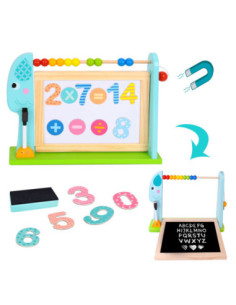
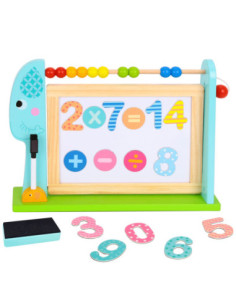
SKU: TKF087A
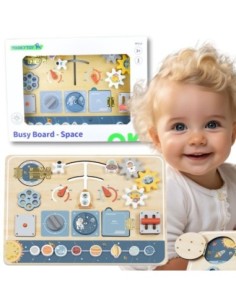
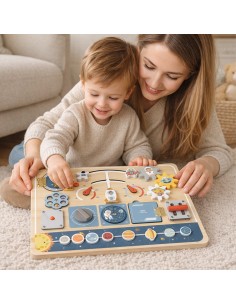
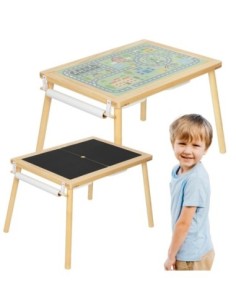
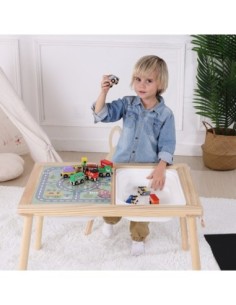


Wall and freestanding boards are a versatile product category for homes, nurseries, schools, after-school clubs, and educational spaces that need practical tools for learning, drawing, writing, and visual organisation. For B2B buyers, this range is attractive because it combines everyday usability with broad commercial potential: the same type of product can support creative play, structured lessons, group activities, and therapeutic exercises. That makes it easier for online stores and marketplace sellers to build a category that serves different customer needs without complicating the assortment.
As a wholesaler, you can present boards as products that help children practise skills through action. A board is more than a surface for drawing. It can be a place to rehearse letters and numbers, support concentration, encourage fine motor development, and create a clear space for guided tasks. In retail listings, this practical value matters because end customers often look for solutions that are simple to use, durable, and easy to place in a room or classroom. When your product data clearly explains the use case, conversion usually improves.
Boards appeal to a wide audience because they fit both private and institutional purchasing. Parents often choose them for a child’s room or home learning corner, while schools and childcare facilities value products that can withstand frequent use and support daily routines. For resellers, that means a single category can generate interest from multiple buyer segments. A well-structured assortment also makes upselling easier, since customers may compare wall-mounted and freestanding versions before selecting the most suitable format.
From a wholesale perspective, this category works well in online channels because it is easy to explain, easy to photograph, and easy to position alongside related educational products. A clear product description helps the customer understand whether the board is intended for drawing, writing, lesson planning, or general classroom use. That reduces hesitation during purchase and limits returns caused by unclear expectations.
Wall-mounted boards are a strong option when the user wants a stable, fixed place for activity. They are especially useful in rooms where floor space is limited or where the same surface should remain available every day. In a child’s room, such a board can become a dedicated zone for drawing and early learning. In a preschool or school setting, it can support repeat exercises, visual instruction, and organised educational routines.
For trade partners, wall-mounted models are appealing because they are easy to position in product collections focused on room organisation, learning corners, and creative play. Customers often appreciate fixed solutions that look tidy, help keep materials in one place, and create a sense of structure. When presenting these products in an online store, it is useful to mention installation expectations, intended placement, and the type of activity the surface supports. A practical description can make the item feel much more relevant to the end user.
These use cases help e-commerce sellers present the product in a way that is immediately understandable. Instead of describing only dimensions or appearance, the listing can show how the board functions in everyday life. That approach is especially effective in B2B sales, where buyers often look for products that solve a practical need rather than simply adding another item to the catalog.
Freestanding boards are designed for users who need more flexibility. They can be moved between rooms, repositioned during the day, or used as part of a changing educational setup. This is valuable in schools, workshops, therapy rooms, clubs, and event spaces where the layout must adapt to the activity. A freestanding model often works as a ready-to-use piece of equipment, which is attractive for customers who want to avoid permanent installation or complicated setup.
In wholesale and dropshipping sales, mobility is a strong selling point. Many buyers search for products that can be used in different environments and by different age groups. Freestanding boards can fit that expectation well because they are practical, visible, and easy to integrate into a wider learning environment. They also tend to work well in product bundles with educational materials, art supplies, or room equipment for children.
When you describe freestanding options, it is useful to emphasise stability, comfort of use, clear surface quality, and the ability to support longer activities. These features matter to institutions and families alike. A board that is easy to place, easy to operate, and suitable for repeated use can become a reliable part of daily routine. That reliability is important for B2B customers who need predictable products with clear functionality.
Customers purchasing boards for children or educational spaces usually pay attention to more than just appearance. Durability, stability, safety, and ease of use strongly influence buying decisions. In B2B listings, these qualities should be explained in natural language so that the customer understands why the product is suitable for repeated use. A board intended for children should feel dependable and inviting, while also fitting the visual standards of a home or institution.
It is also important to present the category as a solution for everyday learning rather than a single-purpose item. Many buyers want products that support multiple activities. A board can be used for drawing one day, alphabet practice the next, and group work later in the week. This multi-use nature makes the category more attractive for stores that want to increase average order value and offer items with repeat commercial potential.
By highlighting these factors, you help the buyer quickly assess whether the product meets the needs of the end customer. This matters especially in online channels, where buyers cannot physically inspect the item before ordering.
Boards are often chosen because they support learning through activity. Children can use them to practise handwriting, recognise shapes, repeat instructions, and develop coordination. For some users, they may also support rehabilitation-oriented or development-focused exercises where clear, repeatable interaction is important. In those cases, the product becomes part of a wider supportive environment rather than just a play accessory.
This developmental aspect is valuable in retail descriptions because it broadens the appeal of the category. Parents may be looking for a creative toy, while educators may need a teaching aid and therapists may need a surface for guided exercises. The same product family can speak to all of these needs if the description clearly explains how it can be used. For B2B partners, that translates into stronger category performance and more versatile merchandising.
When writing product content, it helps to show that the board supports concentration and repeated practice. Children often engage more willingly when the task feels visual and hands-on. A board provides that type of interaction and makes learning feel more accessible. This is particularly useful for store owners who want to present educational products in a way that feels both practical and appealing.
Wall and freestanding boards are well suited to multi-channel commerce because they are easy to categorise and easy to present with strong visuals. Ready product descriptions, product images, and consistent data help sellers launch listings faster across platforms. That is especially useful for online stores, Allegro sellers, Amazon sellers, Erli sellers, and Empik Marketplace partners who want to keep assortments updated without spending too much time on manual content work.
In automated sales environments, accurate product data is a major advantage. XML integrations and stock and price synchronisation help keep offers current, which reduces the risk of outdated listings and improves customer trust. For resellers and distributors, this is particularly important because educational and toy products often move across several sales channels at once. When content is synchronised and clear, it becomes easier to manage the category efficiently and maintain a professional offer.
Boards also work well in dropshipping models because they are straightforward to present and can be described with a stable set of features. A seller can rely on well-prepared catalogue data, clear photos, and concise explanations of the intended use. That means less time creating listings from scratch and more time focusing on conversion, pricing, and channel expansion.
For an online store, the best way to sell this category is to organise it around use rather than only around product type. Customers are often more interested in what the board helps them do than in the technical classification itself. Grouping items by room, age group, or activity can make browsing easier and help shoppers find the right product faster.
Useful merchandising angles include home learning, classroom equipment, creative play, and mobility. A wall-mounted model can be shown as a space-saving solution, while a freestanding model can be positioned as flexible equipment for changing environments. This approach helps stores create clearer category paths and gives trade partners more opportunities to build themed product collections.
These combinations are useful because they increase basket size while improving the shopping experience. The customer receives a more complete solution, and the seller benefits from a stronger average order value.
A clear description should explain where the board fits, what kind of activity it supports, and why it is worth adding to the assortment. In B2B and retail sales alike, buyers appreciate straightforward product language that is specific but not overloaded. If the listing tells them that the board can be used for drawing, writing, and structured learning, they can quickly imagine it in the customer’s environment.
It is also worth showing that the category offers variety. Some buyers need a fixed learning point in a room, while others need a movable item that can be used in different spaces. Presenting both versions within one category helps you answer different needs without fragmenting the offer. That makes navigation simpler for the customer and improves the commercial performance of the category as a whole.
Wall and freestanding boards are a practical, versatile category with strong appeal across home, educational, and therapeutic use cases. They support creative activity, early learning, and organised instruction, while offering real value to parents, teachers, carers, and institutions. For wholesalers, online stores, and marketplace sellers, this means a category with clear demand and flexible merchandising potential.
With well-prepared product data, ready images, and automated stock and price management, these boards can be sold efficiently across multiple channels. That makes them a good fit for B2B partners who need scalable assortment planning and reliable listing content. When presented clearly, the category becomes easy to understand, easy to buy, and easy to expand.