

SKU: 562320
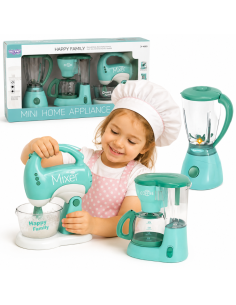
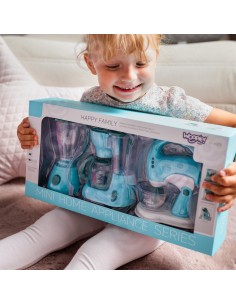


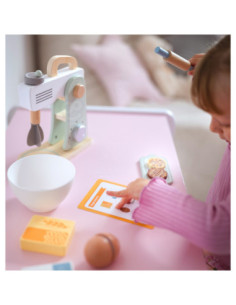


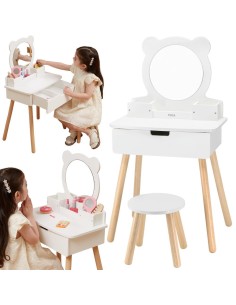
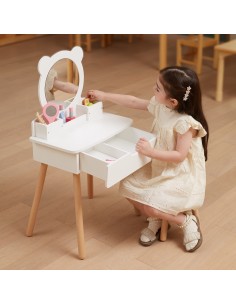
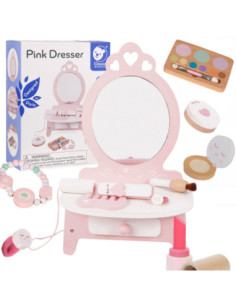
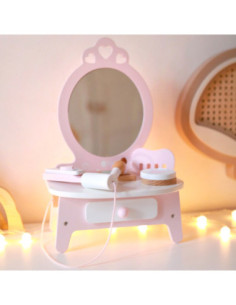

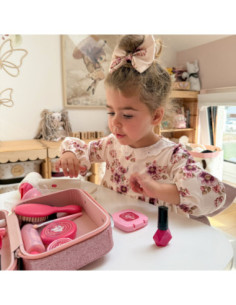
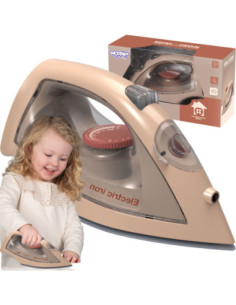

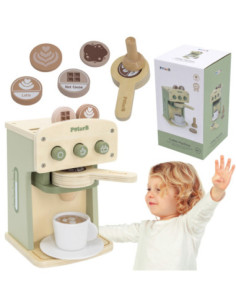
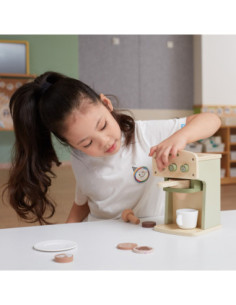
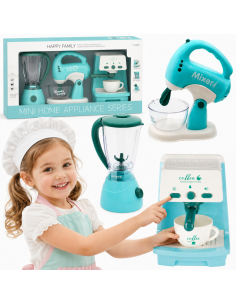
Household appliances toys are a strong category for retailers who want to offer products that naturally fit into everyday play scenarios. Children enjoy imitating home routines, and this type of assortment gives them the chance to recreate cooking, cleaning, storing food and organizing the home in a safe, engaging way. For B2B partners, it is a practical category that combines broad appeal, repeat purchase potential and easy cross-selling with other role-play toys.
In a wholesale assortment, household appliances toys work especially well because they are easy to understand, visually attractive and suitable for a wide age range. Parents often look for toys that support imagination, independence and social play, while resellers value products that are straightforward to present in online listings and marketplace offers. A well-built category page can help customers quickly identify the purpose of the toy, what type of play it supports and why it is a reliable addition to a store’s offer.
The main strength of this category is role play. Children like to copy the actions they see at home, and toy household appliances make that easy. A toy kitchen appliance can become part of a pretend meal preparation game, a toy refrigerator can be used to store play food, and a toy washing machine or vacuum cleaner can turn daily household tasks into imaginative activities. These scenarios keep children engaged and encourage them to invent their own stories, which makes the category appealing to buyers looking for interactive toys with long-term value.
For retailers, that means products with clear selling points: they are easy to explain, attractive in photos and suitable for both gift shopping and everyday purchases. When customers search for toys that help children play “at home” or imitate adults, this category matches their expectations very well. It also performs well in stores that focus on educational toys, pretend play and accessories for domestic role play.
Household appliances toys are useful in wholesale because they sit in a popular and stable segment of the toy market. The products are not tied to one narrow trend, so they can remain relevant across seasons and buying cycles. That gives distributors and store owners a dependable category that can be expanded gradually with new models, sizes and themed sets.
This kind of assortment also helps B2B sellers build repeatable sales patterns. Customers often return to buy matching accessories or complementary toys, especially when they want to enlarge an existing play set. A store can present this category as part of a broader pretend-play collection, which increases basket value and supports cross-selling across kitchen, home, cleaning and learning-themed toys.
For marketplace sellers, the category has another advantage: it is simple to organize and optimize. Product names, descriptions and photos can clearly show the function of each item, which helps buyers make faster decisions on platforms such as Allegro, Amazon, Erli and Empik Marketplace. If your offer is prepared for multi-channel sales, this category can be deployed quickly and consistently across different storefronts.
Children do not simply play with toy appliances as objects. They use them to act out familiar daily situations. That is why this category supports imagination so effectively. A child may pretend to prepare breakfast, wash dishes, sort clothes, clean the floor or organize a small home space. These simple scenarios become a framework for creative play, helping children develop confidence and a sense of independence.
From a sales perspective, the appeal is clear. Parents usually understand the value of role-play toys immediately, and that makes product positioning easier. When the toy resembles real home equipment, it feels familiar and useful, which improves conversion in online listings. Retailers can present the product as both entertaining and developmental, giving buyers a clear reason to choose it.
Because this category is easy to relate to everyday life, it also works well in gift-oriented offers. It is suitable for birthdays, holiday promotions, seasonal campaigns and store collections aimed at preschool and early school-age children. For trade partners, that means consistent demand and simple merchandising logic.
When customers choose household appliances toys, they usually pay attention to a few practical elements. The first is visual realism: the toy should resemble the real object enough to make role play exciting, but without unnecessary complexity. The second is size and handling: products need to be comfortable for children to use in a home setting and easy to incorporate into other toy sets. The third is durability, because toys in this category are often used repeatedly as part of daily play routines.
Sound, movement and interactive elements can also increase interest, depending on the model. Some products may feature opening doors, rotating parts, light functions or simple action mechanisms that make the experience more dynamic. For the buyer, these details are important because they make the toy feel more engaging. For the seller, they provide concrete points to highlight in product listings and category descriptions.
Materials and finish matter as well. Parents often prefer toys that look neat, feel sturdy and are easy to use in indoor play. That is why clear product data, accurate photographs and complete descriptions are especially valuable in this category. The better the presentation, the easier it is to convert traffic into orders.
Household appliances toys are flexible enough to support different store strategies. A small retailer can use them as part of a focused pretend-play range, while a larger distributor can create a wider home-themed assortment with several product tiers. The category works well in both entry-level and more advanced price segments, which makes it useful for stores that want to cover multiple customer budgets.
One effective approach is to group products by play scenario rather than only by product type. For example, a store can present sections for cooking play, cleaning play, laundry play and home organization play. This helps customers browse more intuitively and allows the seller to cross-promote related items. It also makes it easier to build bundles and themed collections for campaigns and seasonal promotions.
Another advantage is stock planning. Because these products are broadly understandable and not overly niche, they can be easier to forecast than highly specialized toy categories. For B2B partners working with rotating stock, this creates a more practical foundation for maintaining a reliable assortment.
In e-commerce, clear presentation has a direct impact on sales. Household appliances toys benefit from product pages that explain what the toy does, how it is used and what kind of play experience it supports. This category gives store owners a strong structure for SEO-friendly listings because the item’s purpose is easy to describe in customer language.
For sellers active on marketplaces, consistency is essential. A product should look equally strong on the store website, in a marketplace listing and in a dropshipping feed. That is why ready product descriptions, high-quality images and structured data are so helpful. They reduce the time needed to create offers and help maintain a uniform level of quality across channels.
Automated stock and price synchronization is another important benefit for partners managing many listings at once. In categories like household appliances toys, where availability may change quickly, accurate data helps avoid overselling and keeps customer service smoother. XML integrations can support this process by making catalog updates faster and more reliable.
Multi-channel sellers need products that are easy to publish, easy to present and easy to maintain. Household appliances toys fit that model well because their features are simple to communicate and their use is obvious to the end customer. That reduces friction during listing creation and helps sellers scale the category across multiple platforms without rebuilding the content from scratch each time.
On Allegro, Amazon, Erli and Empik Marketplace, buyers often compare several similar products before making a choice. A strong category description, complete attributes and clear visual assets can make the difference. Products in this category benefit from detailed presentation because small differences in function, size or interactive features may influence the final purchase decision.
For dropshipping partners, the category is attractive for another reason: it can be operated with relatively low friction when catalog data is kept up to date. When prices, stock levels and product information are synchronized properly, the seller can focus on traffic and conversion rather than manual catalog maintenance. That is a practical advantage for businesses that want to expand faster while keeping operations under control.
To build a strong offer in this category, it helps to combine products that cover different play scenarios and different price points. That way the store can serve both first-time buyers and customers looking for more complete role-play sets. A balanced assortment usually performs better than a narrow one, especially in online environments where shoppers want quick access to comparisons and alternatives.
These practical steps help the category perform better in both store catalogs and marketplace environments. They also make it easier for trade partners to understand where each product fits in the broader assortment.
Well-prepared content is one of the strongest advantages in this category. Shoppers need to understand the product quickly, especially when they are browsing on a phone or comparing several options. Good images, concise feature summaries and clear descriptions help remove uncertainty and increase the likelihood of a purchase.
For B2B sellers, that means the category should be supported by assets that are ready to use across different channels. If a supplier provides complete descriptions and visual materials, the retailer can publish faster and maintain a more professional standard in the catalog. This is particularly valuable for stores that manage large assortments and want to keep product pages consistent.
In practice, the category benefits from content that explains usage, features and the type of play it encourages. That gives the customer enough information to make an informed decision while keeping the listing clean and easy to scan. Strong content also helps reduce pre-sale questions and supports better conversion rates.
One of the reasons this category is attractive to wholesalers is its stability. It is rooted in a universal theme: home life. That makes it relevant to children in many markets and easy for parents to understand. Unlike more trend-driven toy segments, it offers a dependable foundation that can be extended with new models and updated designs over time.
Retailers and distributors can treat it as a core part of their pretend-play offer. Because the theme is familiar, the category can be refreshed without losing its identity. New items can be introduced as improved versions, different appliances or complementary play sets, which keeps the assortment active and interesting for repeat customers.
This creates a good long-term fit for B2B businesses that need practical products with steady demand. The category supports both broad catalog strategies and more curated collections, making it useful for partners at different stages of growth.
Household appliances toys are a versatile category built around everyday home play. They help children imitate familiar routines, support imagination and create easy entry points for role-play purchasing. For stores and distributors, they offer a clear, accessible and commercially stable product group that can be presented effectively across online stores and marketplace channels.
With ready product descriptions, strong images, XML integration and automatic synchronization of stock and prices, the category becomes even more practical for B2B sales. It supports faster listing creation, better consistency and easier multi-channel management. For trade partners looking to expand their pretend-play assortment, this category provides a reliable way to combine customer appeal with operational efficiency.