
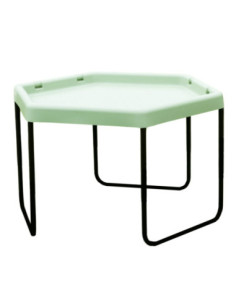
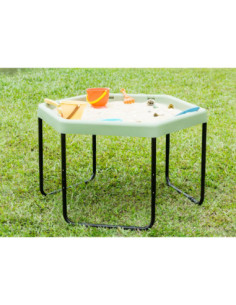
SKU: MK0007
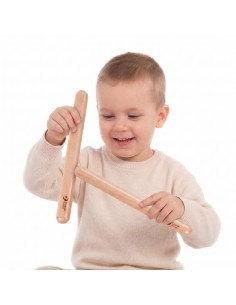
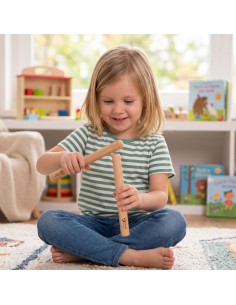
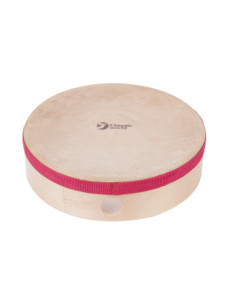
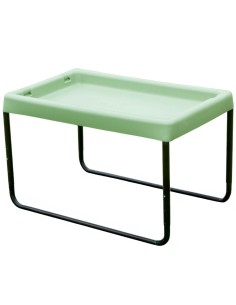
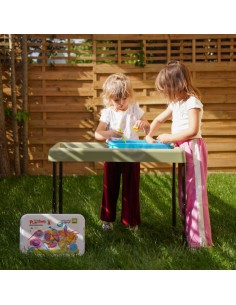


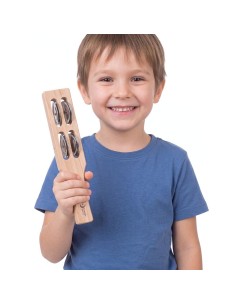
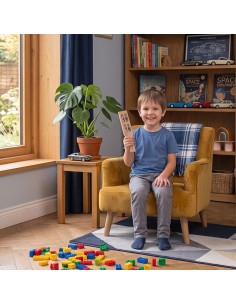
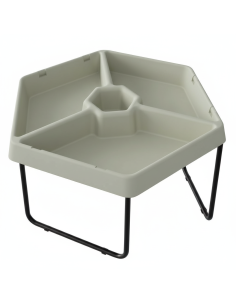
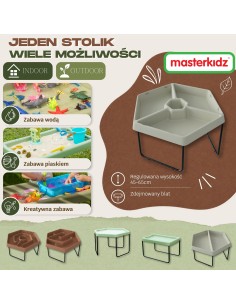


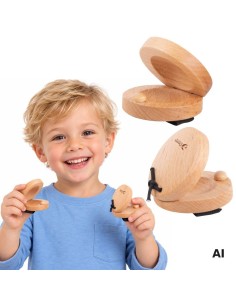
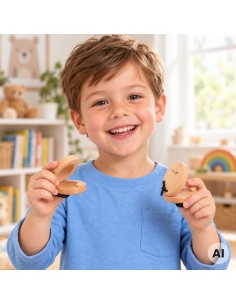

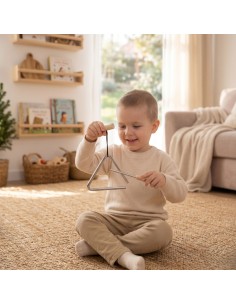
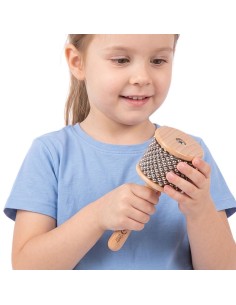

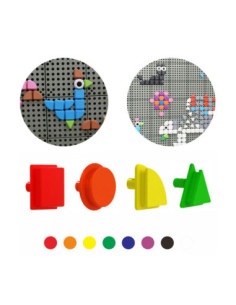
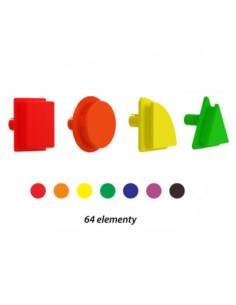
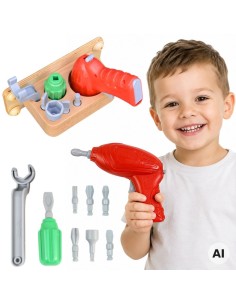
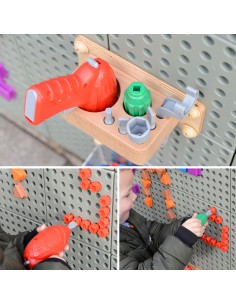
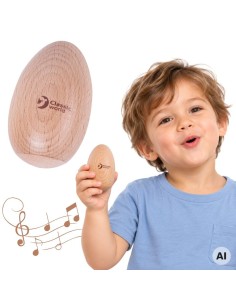
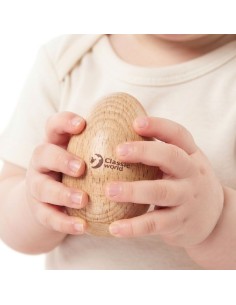
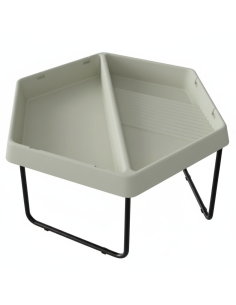
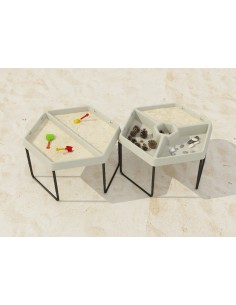
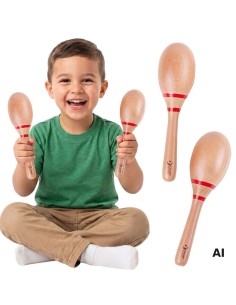

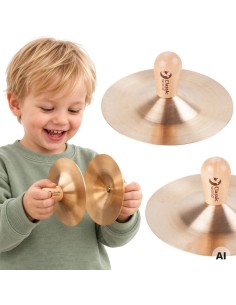
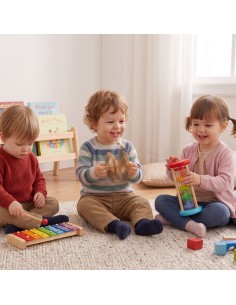
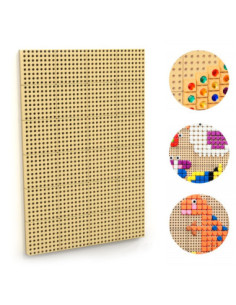
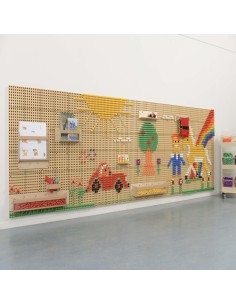

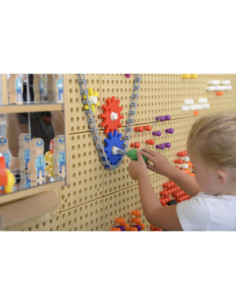
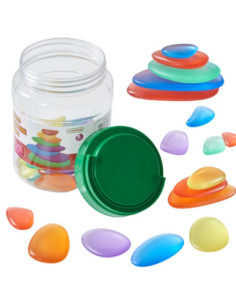
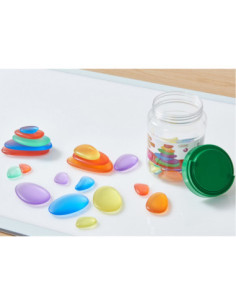
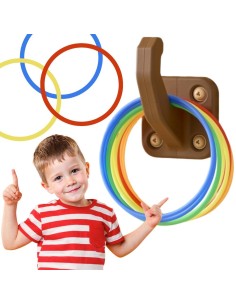
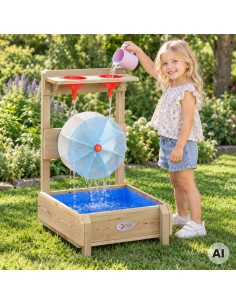

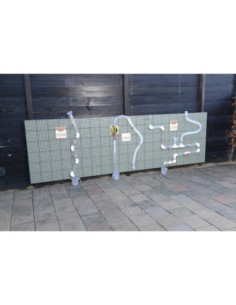
STEAM and Montessori equipment is a category built for retailers, marketplace sellers and B2B partners who need products that are easy to explain, visually attractive and clearly useful in everyday learning. It brings together educational sets, learning aids and activity-based accessories that support development through play, helping children explore, build, sort, compare, experiment and solve simple tasks in a natural way. For online stores and distributors, this means an assortment that is easy to present, easy to categorize and easy to sell because its value is immediately understandable to parents, teachers and caregivers.
Educational products connected with STEAM and Montessori methods have strong commercial potential because they answer a clear customer need: buyers want toys and learning tools that do more than entertain. They look for products that develop concentration, coordination, patience, independence and logical thinking. When a category offers such benefits in a practical form, it becomes easier to build listings that convert, whether you sell through an online store, Allegro, Amazon, Erli or Empik Marketplace.
For trade partners, this kind of assortment is especially valuable because it can be promoted in many ways: as a developmental toy, a home-learning aid, a preschool resource or a gift with educational value. That flexibility helps sellers reach different audiences with the same core product range.
STEAM products encourage children to learn by doing. They are designed to show how materials behave, how mechanisms work and how different actions lead to different outcomes. In practice, this includes sets that invite building, assembling, experimenting, measuring, observing and testing. The focus is not only on the final result, but also on the process itself, because that process teaches planning, patience and problem-solving.
Products in this group often support several areas of development at once. A child may practice fine motor skills while connecting parts, strengthen spatial awareness while building structures and improve cause-and-effect thinking while checking how a change affects the result. That makes the assortment attractive for customers looking for multi-purpose educational toys with a strong learning story.
For sellers, the advantage is clear. A product with a visible educational function usually needs less explanation in the sales process. Good photos, clear descriptions and simple benefit statements are often enough to help the customer understand what the item does and why it is worth buying.
Montessori-inspired products are valued for their simplicity, clarity and practical educational function. They are often designed to help children work independently, focus on one task at a time and develop order through repeated, purposeful activity. This can include sorting sets, matching exercises, sensory materials, puzzles, threading items, balance aids or other tools that support self-directed learning.
What makes Montessori equipment especially relevant in retail is its strong connection to visible outcomes. Customers can quickly see how a product supports concentration, hand-eye coordination, memory, categorization or everyday routines. That clarity helps reduce hesitation at the point of purchase, which is important when selling through multiple channels and to buyers who compare offers quickly.
These products also work well in catalogues that serve families, schools, nurseries and educational institutions. Because the idea is familiar and practical, the category can be built into a broader assortment with products for different age groups and different levels of complexity.
In the toy wholesale market, products sell better when their purpose is obvious. STEAM and Montessori equipment performs well because it connects play with real developmental value. Parents usually appreciate that the child is not only busy, but also learning through action. Retail buyers appreciate that the category can be positioned with clear, benefit-driven language. This makes it easier to prepare listings, build filters and create category pages that support faster decision-making.
Common advantages that can be highlighted in product offers include the development of fine motor skills, greater concentration, improved coordination, practice in independent task completion and stronger logical thinking. Many products also support repeated use, which is another important sales argument. A set that can be used in different ways, or that changes depending on the child’s age and skill level, often has a longer sales life and a better value perception.
The category can include a wide range of items, all connected by the idea of active learning. Depending on the assortment, this may involve building sets, sorting and matching aids, sensory toys, logic games, memory exercises, counting tools, threading and lacing products, manipulation boards, balance and coordination items, and classroom-style learning aids. The strongest products are usually those that combine durability, simplicity of use and a clear educational function.
For B2B sellers, variety is important because it allows the creation of product groups for different purchasing needs. Some customers want a starter educational toy for home use, while others need more structured materials for a nursery, learning corner or preschool setting. A well-built category can serve both segments if it includes products with different levels of complexity and different price points.
That flexibility is particularly useful in multi-channel sales. A compact, visually appealing item may work well as an impulse purchase on a marketplace, while a larger set with a fuller educational description may perform better in a dedicated online store. With consistent product data, the same assortment can be adapted to several sales environments without changing the core offer.
Educational categories such as this one are especially effective when the listings are complete and ready to publish. Customers often want to know what the set contains, how it is used, what age group it suits and what skills it supports. When these details are available in product cards, sellers reduce uncertainty and improve the chance of conversion. Ready product descriptions and images also shorten the time needed to launch the offer across channels.
For marketplace sellers, the category is attractive because its purpose is easy to communicate in a compact listing format. On platforms like Allegro, Amazon, Erli and Empik Marketplace, buyers often scan quickly and compare offers side by side. Products with strong visuals and clear educational benefits stand out more easily than generic toys without a defined learning function.
For online stores, the same category helps build trust and improve navigation. A well-structured assortment can support cross-selling, for example by linking starter sets with more advanced items or by grouping products according to skills such as sorting, counting, building or sensory development. This creates a more useful shopping experience and can increase basket value.
STEAM and Montessori equipment is not a one-time novelty in the same way some trend toys are. Many products in this category remain relevant for a long time because they support ongoing skill development. Children return to them as they grow, and adults often buy more than one item to create a complete learning environment. That makes the category strong for repeat purchases, seasonal refreshes and educational gift buying.
It also helps that the learning story is easy to renew. A customer who already purchased one set may come back for a different one that focuses on another skill area. This opens the door to structured category expansion, where products are grouped into coherent sub-collections and promoted as part of a broader educational journey.
When building offers around this category, it is useful to focus on practical structure rather than broad promises. Product pages should clearly explain what the child does, what the set contains and what developmental area it supports. Clear age guidance, simple feature lists and real-use images help buyers assess the product quickly. This is especially important for resellers and distributors who need to publish large assortments efficiently.
It is also worth using consistent naming and grouping. Educational toys that fit STEAM and Montessori principles can be presented as separate subcategories for building, sensory work, logic, coordination or independence. That approach improves browsing and makes the range easier to manage in systems that rely on XML feeds, automatic stock updates and price synchronization.
For stores operating across several channels, automation adds a real operational advantage. When inventory and pricing stay synchronized, the risk of overselling or outdated offers is lower. This saves time, reduces customer service issues and keeps the listing quality stable across platforms.
Buyers tend to select STEAM and Montessori products based on three main factors: the age of the child, the skill they want to support and the clarity of the activity. If a product immediately shows what the child will do and why it matters, it becomes much easier to sell. Simple task-based language works well here because it helps customers imagine the product in use.
Many customers also look for products that feel calm, structured and purposeful. Montessori-style items often appeal because they support focused activity without unnecessary complexity. STEAM products attract attention when they promise discovery, creativity and active experimentation. Together, these two directions create a balanced category that can appeal to families with different educational preferences.
This category is suitable for a wide range of sales models. In a traditional online store, it can serve as an educational section with strong cross-selling potential. On marketplaces, it can work as a high-clarity assortment where images and descriptions do much of the selling. In dropshipping models, it is useful because the products are generally easy to explain and can be supported with ready content. For B2B partners, the main advantage is that the assortment can be scaled without losing coherence.
Because the category is useful in so many contexts, it also supports more efficient promotion. A single product can be positioned as a learning aid, a developmental toy, a preschool resource or a gift idea. That broad relevance increases the chance that the offer will match customer intent in different channels and at different times of the year.
STEAM and Montessori equipment is a strong category for any B2B toy wholesaler because it combines educational credibility with clear commercial potential. The products are practical, easy to understand and well suited to multi-channel sales. They help buyers make informed decisions, and they give sellers a category that can be promoted with confidence across online stores, marketplaces and dropshipping offers.
With the right structure, images and descriptions, this assortment can become a reliable part of a broader educational catalogue. It supports development-focused purchasing, encourages repeat interest and fits well into systems that depend on fast publishing, stock synchronization and efficient offer management. For trade partners looking for toys with a clear purpose and lasting appeal, it is a category worth building seriously.
Is this category suitable for marketplace sales? Yes. The products are easy to present, and their educational function is simple to communicate in marketplace listings.
Can these products work in dropshipping? Yes. They are well suited to ready content, synchronized stock and automated offer handling.
Why do retailers choose this type of assortment? Because it combines a clear educational benefit with strong visual appeal and broad customer demand.
Can the category be expanded for different age groups? Yes. It can include simpler items for younger children and more advanced sets for older users or more demanding educational settings.