
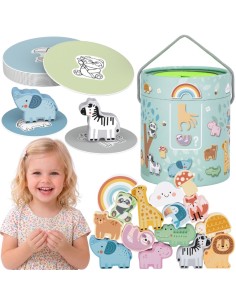
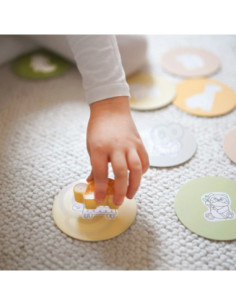
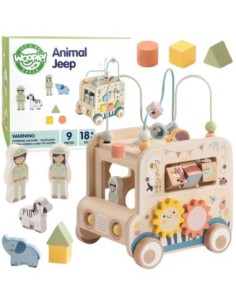

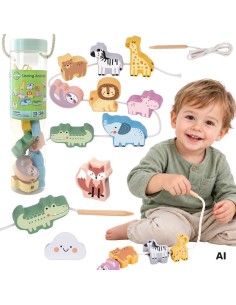
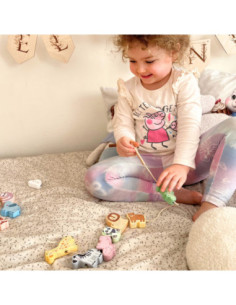
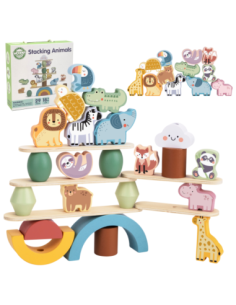
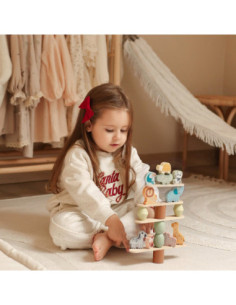
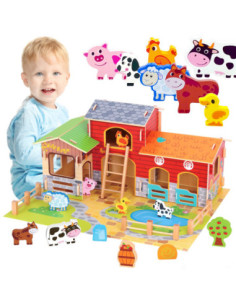
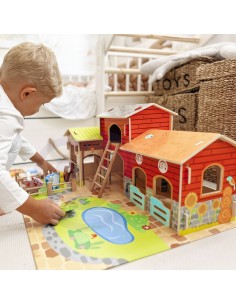
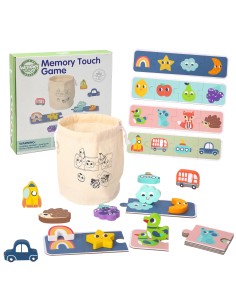
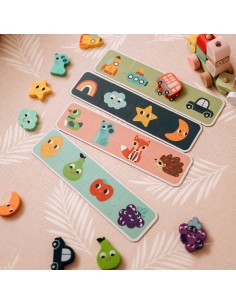
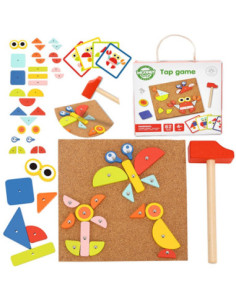

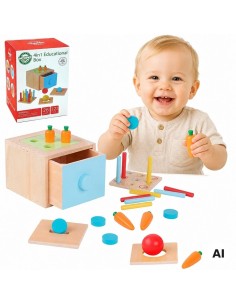


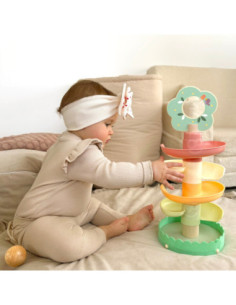
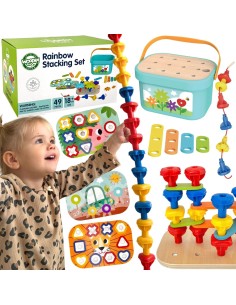
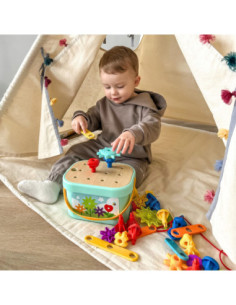
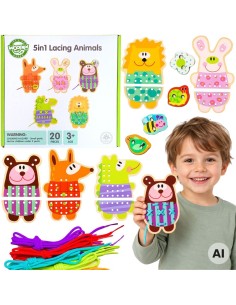


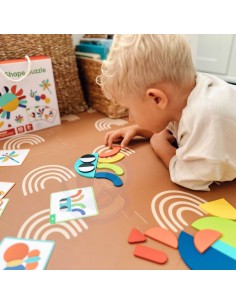
Woopie Green - March is a seasonal B2B category created for retailers who want to refresh their assortment with products that fit spring buying patterns and support fast, multi-channel sales. The category is especially useful for online stores, marketplace sellers, distributors and dropshipping partners who need attractive, ready-to-sell toys that can be added to the offer without lengthy content preparation. By grouping products under one clear seasonal theme, you can build a more structured catalog, improve navigation for customers and react faster to changing demand.
March is a month when many buyers begin looking for new ideas for gifts, indoor play and outdoor activities that mark the transition from winter to spring. That makes this category a practical source of products that can be promoted as fresh arrivals, seasonal additions or complementary items to a broader toy range. For B2B partners, this means an opportunity to increase assortment turnover, create themed collections and present products in a way that is more relevant to current shopping intentions.
Products gathered in this category are suitable for merchants who need toys that are easy to list, easy to present and easy to sell across multiple channels. The seasonal nature of the offer helps create urgency and gives customers a reason to explore new items rather than return only to familiar bestsellers. In practice, this can improve the performance of category pages, enhance product discoverability and support higher order value through cross-selling.
For store owners, the advantage is not only the seasonal relevance but also the operational simplicity. When a category is clearly defined, it becomes easier to prepare listings, assign products to campaigns and manage stock rotation. This is particularly important for businesses that sell on their own ecommerce platform and at the same time distribute products through Allegro, Amazon, Erli or Empik Marketplace. A consistent category structure makes it easier to maintain order in the catalog and to scale sales without unnecessary manual work.
The Woopie Green line is designed to appeal to buyers who value products that combine attractive appearance with everyday usability. In March, customers often look for toys that can be used at home, during family time, or as part of outdoor play when the weather begins to improve. That creates room for items that support active play, imagination, learning through play and simple daily enjoyment.
For the seller, this type of assortment can be positioned in several ways. A product can be presented as a seasonal novelty, a gift idea, a practical addition to the child’s playroom or a product that encourages activity and engagement. Because March is a month associated with new starts and refreshed routines, products in this category can also be used to build themed promotions around spring updates, mid-season assortment refreshes or limited-time offers.
In wholesale operations, one of the biggest advantages of having a seasonal category is the ability to react quickly to demand peaks. When a product is presented in the right context, it can generate more attention than a generic listing placed deep within a broad catalog. That is why categories like this are useful both for shops that sell directly to consumers and for partners who manage large product feeds across several channels.
One of the strengths of the category is that it lends itself well to clear and persuasive product presentation. Many online buyers make decisions quickly, especially in marketplaces where they compare multiple offers within seconds. A well-structured category helps you communicate what the buyer is looking at, why the product is relevant and how it fits a specific need or seasonal moment.
The products in this category can be described with emphasis on practical benefits such as ease of use, visual appeal, suitability for regular play and the potential to become part of a broader gift offer. This is especially valuable when building listings for customers who expect concise but informative content. Instead of vague slogans, effective product pages should highlight what the toy does, how it can be used and why it may be a smart choice for the current season.
For partner sellers, ready content also matters operationally. Good product descriptions, consistent imagery and organized category logic reduce the time needed to upload items and help maintain quality across all sales channels. If your business uses XML integration or automatic data exchange, having products grouped in a seasonal collection can make feed management more efficient and help ensure that assortment updates happen smoothly.
March categories like this are especially useful for businesses that work in multi-channel retail. An online store can use the category to refresh its homepage, feature seasonal collections and highlight new arrivals. Marketplace sellers can use it to build better listing groups, improve the structure of their offers and present products in a way that feels more targeted and timely.
On Allegro, Amazon, Erli or Empik Marketplace, buyers often respond well to clear seasonal logic because it reduces uncertainty and helps them quickly identify the products that match their current needs. A category built around spring interest can make it easier to create bundles, promotions and featured sets. It can also support better conversion when combined with consistent photos, accurate product data and a strong category hierarchy.
For dropshipping businesses, the value is just as clear. Seasonal categories help you test new products without heavy inventory commitment and make it easier to expand your offer with items that have a defined moment of relevance. When stock and price synchronization is automated, you can keep your listings up to date while focusing on marketing, customer acquisition and catalog optimization.
Seasonal assortment planning is one of the most effective ways to keep a toy catalog fresh. March is a convenient point in the calendar to introduce products that feel timely without being tied to a very short-lived event. This gives merchants more flexibility in how they present the range and how long they keep it active in sales campaigns.
Good rotation helps avoid a static store offer. When customers see that the assortment changes regularly, they are more likely to revisit the store and explore new products. For trade partners, that can translate into better session value, more frequent repeat orders and stronger trust in the shop as a place where interesting new items appear consistently.
Seasonal rotation also helps with internal planning. You can align your offer with spring campaigns, gift-focused promotions and general catalog updates. Because the products in this category are gathered around one clear theme, it is easier to prepare promotional banners, category blocks and curated selection pages without having to build everything from scratch each time.
In B2B toy distribution, speed matters. Retail partners expect product data to be available quickly and in a form that can be published with minimal editing. That is why ready product descriptions and images are so important. They reduce the workload on store teams and make it easier to launch new items across multiple channels at the same time.
Well-prepared content also improves the quality of the buying process. A customer who sees clear product information, coherent photos and a sensible category context is less likely to leave the page with unanswered questions. This matters in both direct-to-consumer stores and marketplaces, where the purchase decision is often made after a brief scan of the offer.
For wholesalers and trade partners, this category can therefore serve two purposes at once: it supports merchandising and it simplifies operations. The products can be used to fill gaps in the offer, enhance seasonal campaigns and give customers a more engaging shopping experience. In a competitive market, that combination of presentation and practicality can be a meaningful advantage.
Many partners operating in the toy sector manage large inventories across different sales platforms. A seasonal category like this is particularly helpful when you need to keep all channels aligned. XML feeds, automatic stock updates and price synchronization reduce the risk of mismatches and allow the same assortment to work across a store, a marketplace profile and a dropshipping pipeline.
Automation is especially valuable when you add fresh seasonal products in batches. Instead of editing every listing separately, you can use synchronized product data to keep information consistent. That improves the overall reliability of the offer and helps ensure that customers see the same product status and pricing wherever they shop.
In practical terms, this means less manual work and more control over the selling process. Your team can spend more time on campaign planning, assortment selection and partner communication, while the technical side of catalog maintenance is handled more efficiently. For businesses that scale across Allegro, Amazon, Erli and Empik Marketplace, that efficiency is often essential.
This category can be used in several commercial scenarios. You can treat it as a seasonal landing page, a new-arrivals group, a spring promotion collection or a convenient segment for refreshing the catalog after the winter season. It works equally well as a standalone category and as part of a broader brand-based navigation structure.
Merchants often gain the best results when they combine clear seasonal labeling with practical merchandising. That means using the category to highlight specific products, grouping complementary items together and presenting the offer in a way that supports discovery. The products become easier to browse, easier to compare and easier to add to cart.
Because the category belongs to a B2B toy wholesaler context, it is also suitable for partners who operate with higher stock turnover and regular assortment updates. It can be used to support planned releases, limited series or recurring spring updates. With the right setup, it becomes a reliable part of your annual sales rhythm rather than a one-time marketing asset.
Woopie Green - March is a practical seasonal category for sellers who want to introduce fresh toy assortment at a time when customers are ready to discover new products. It supports both retail and wholesale sales, works well in online stores and marketplaces, and fits businesses that rely on automation, XML integration and synchronized stock and price data.
For trade partners, the main value lies in the combination of seasonality, ready-to-use product presentation and flexible multi-channel application. It helps you build a more active offer, improve assortment rotation and present toys in a way that matches current buying interest. If you are looking for a category that can support spring sales and make catalog management easier at the same time, this one provides a solid foundation.