

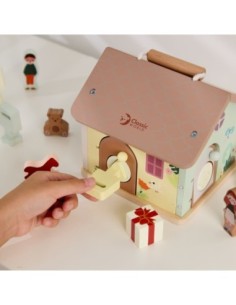
SKU: CW20270


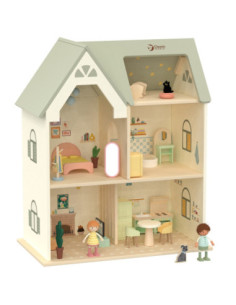
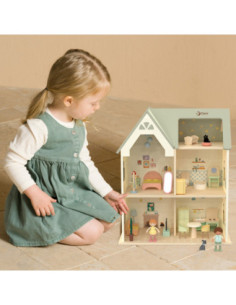
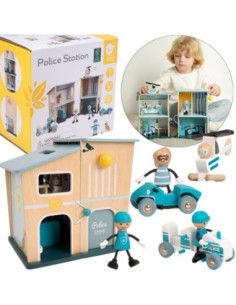
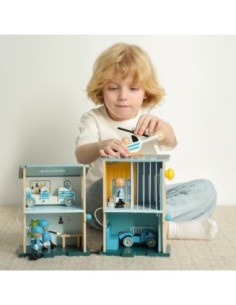
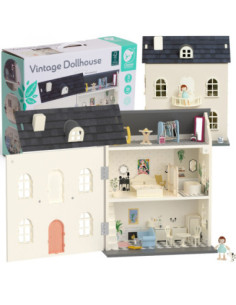
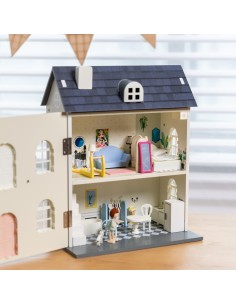


Dollhouses and furniture are one of the most reliable categories for retailers looking for products that combine strong visual appeal with consistent sales potential. In a B2B toy assortment, this type of offer works especially well because it naturally encourages add-on purchasing: a dollhouse attracts attention, while furniture and accessories help complete the play scenario and increase the final basket value. For online stores, marketplace sellers and dropshipping partners, this means a category that is easy to present, easy to cross-sell and easy to expand with new items over time.
Products in this category are designed to support imaginative play, role-playing and creative storytelling. A well-chosen dollhouse gives children a miniature world to arrange, decorate and use in everyday play themes such as family life, cooking, relaxing, hosting guests or organizing rooms. Furniture sets add depth to that experience by making the interior feel complete and allowing children to move from simple play to more detailed scenarios. From a sales perspective, this creates a natural progression from entry-level items to larger, more elaborate sets, which is especially useful when building a tiered assortment for different budgets.
Dollhouses are often the main product that draws customers into the category. They work well as gift items, seasonal highlights and catalog anchors because they are visually attractive and easy to understand at a glance. Parents and gift buyers appreciate products that immediately suggest play value, while store owners benefit from a category that can be promoted with clear images and straightforward product messaging. In retail channels where buying decisions happen quickly, a dollhouse can become a strong conversion driver when it is presented with the right product details and supporting visuals.
Depending on the model, dollhouses may vary in size, number of rooms, structural layout and level of detail. Some are compact and suitable for smaller spaces, while others offer a larger play surface and more room for furniture arrangement. This variation is useful for B2B buyers because it allows them to target different customer segments without changing the overall category focus. A compact dollhouse can fit into an affordable impulse-buy range, while a more elaborate model can serve as a premium gift option. For the retailer, this flexibility supports better assortment planning and smoother price positioning across the store.
Another benefit of dollhouses is their ability to generate repeat interest. A customer may first buy the main structure and later return for furniture, figure accessories or additional room sets. That creates opportunities for repeat orders and better long-term category performance. In practice, dollhouses rarely sell as isolated products for long; they work best as part of a wider play ecosystem, which is exactly why they are valuable for wholesalers and distributors who want to offer a complete commercial solution.
Furniture is the element that turns a dollhouse into a believable and engaging play environment. It provides the finishing touches that make rooms recognizable and functional in the child’s imagination. Beds, tables, chairs, sofas, kitchen units, wardrobes and bathroom pieces all contribute to a more complete setup, and each of these items can be sold as part of a set or as an individual add-on. For trade partners, that versatility is important because it makes the category suitable for both bundle-based merchandising and standalone SKU management.
Furniture sets are particularly effective in increasing average order value. A buyer who enters the category through a dollhouse often looks for additional pieces to finish the interior, and a buyer who starts with furniture may later decide to purchase the matching house. This two-way relationship makes the category highly suitable for cross-selling strategies in online stores. It also helps sellers create curated offers such as room bundles, starter packs or themed sets for kitchen, bedroom and living room play.
From a merchandising point of view, dollhouse furniture is easy to structure in a clear way. Retailers can organize offers by room type, size, material finish or compatibility with particular dollhouse formats. That makes navigation easier for end customers and reduces friction during the purchase process. When a store presents furniture in a logical and visually coherent way, customers can understand the assortment faster and are more likely to complete their purchase without hesitation.
For wholesalers and trade partners, the category combines strong consumer appeal with practical catalog management. Dollhouses and furniture are products that are easy to describe, easy to photograph and easy to list across multiple sales channels. This is important for businesses that operate on marketplaces or manage large product feeds, because consistent presentation saves time and improves listing quality. Ready product descriptions and images are especially useful when the assortment must be deployed quickly across several channels at once.
The category also supports seasonal and year-round sales. Demand rises noticeably during holiday periods, birthday seasons and promotional campaigns, but the products remain relevant outside peak times because children’s role-play toys are not tied to a single calendar window. For sellers, that means a stable assortment with enough visibility to justify regular replenishment and ongoing marketing support. It also makes the category suitable for stores that want dependable products with a broad audience.
Another reason this category performs well in B2B is its broad audience profile. Dollhouses appeal to parents, grandparents and gift buyers, while furniture pieces often attract customers who already own a house and want to expand play options. That gives the retailer multiple entry points into the same category and allows for more flexible promotions. A store can highlight a main dollhouse one month and then focus on accessory furniture the next, without changing the overall product family.
When selecting dollhouses and furniture for a professional assortment, several product features are especially important. Stability and finish quality matter because the products are frequently handled during play. Clear proportions and well-designed details matter because they make the miniature world more engaging and easier to arrange. Compatibility matters because customers want furniture that fits the house they already own or plan to buy. For the retailer, these practical details influence reviews, return rates and the overall satisfaction of the end customer.
Furniture sets are often judged not only by appearance but also by the usefulness of the pieces included. A good set should feel complete enough to support real play, not just visual decoration. That is why items like beds, chairs, tables, storage units and kitchen elements are so popular: they have a clear function in play and can be understood immediately by the shopper. When the offer clearly shows what is included, customers are more confident in their purchase and less likely to experience disappointment after delivery.
Size and scale are also key considerations. Some customers want a large, highly detailed setup, while others prefer compact solutions that fit smaller play areas. Offering products in different dimensions helps retailers reach both groups. This can be especially valuable in marketplaces, where product comparison is fast and price sensitivity is high. A clear size range allows the store to cover multiple customer needs without overcomplicating the listing structure.
Dollhouses and furniture perform best when they are presented as part of a complete play story. Customers respond well to listings that show the house together with matching furniture or room accessories, because they can immediately picture the final setup. This approach improves conversion by reducing uncertainty and making the purchase decision feel simpler. A visually consistent assortment also strengthens the professionalism of the store and helps products stand out in crowded marketplace environments.
For sellers operating on Allegro, Amazon, Erli or Empik Marketplace, clarity is especially important. Buyers often compare several similar offers before making a decision, so product presentation must be precise and informative. Ready-to-use descriptions and product images help maintain consistency across channels, while automated stock and price synchronization reduce the risk of outdated offers. This is valuable not only for convenience, but also for preventing canceled orders and mismatched customer expectations.
In multichannel sales, catalog structure matters just as much as the product itself. A category like this is easy to organize into logical subgroups that support browsing, such as houses, room furniture, living room sets, kitchen sets and bedroom accessories. That structure helps both search visibility and user experience. When combined with XML integration and synchronized feed updates, the category becomes much easier to manage at scale, especially for partners handling a large number of SKUs.
For distributors and resellers, this category works well because it can be expanded gradually without losing coherence. A retailer may start with a few core dollhouses and then add furniture sets that align with the same visual style or customer segment. Over time, the assortment can be broadened with new models, replacement pieces and themed accessories. This makes it easier to refresh the offer regularly while preserving a familiar category identity.
It is also a useful category for businesses that want to support repeat purchasing. Families often buy one piece first and then add more items later, especially when children become attached to a specific play setup. This pattern supports customer retention and creates a more predictable flow of follow-up demand. For B2B partners, that means the category can contribute not only to first-order sales but also to longer-term catalog performance.
Wholesale customers also benefit from the visual nature of the category. A strong photo set and accurate descriptions can do a lot of the selling work in advance, which is ideal when products are being listed quickly across multiple storefronts. If the product data is ready and the stock feed is current, the retailer can focus on promotion and conversion rather than manual catalog corrections. That operational efficiency is a real advantage in fast-moving trade environments.
Dollhouses and furniture are primarily chosen for imaginative play, but they also have a broader value in family life. They encourage concentration, organization and storytelling, and they can be suitable for children who benefit from calm, structured forms of play. In some cases, miniature play helps children express routines, social situations and emotional themes in a safe, manageable form. For that reason, the category can appeal to customers who are looking for toys with clear developmental and play-activity benefits.
Furniture pieces add a hands-on element to that experience by allowing children to rearrange space, assign roles and organize rooms according to their own ideas. This open-ended format keeps the toy interesting over time, because the play scenario can change with each session. That longevity is valuable for retailers as well, since products with repeat play value tend to create better customer satisfaction and stronger word-of-mouth potential.
In a B2B offer, it is worth highlighting that these are products with long shelf appeal. Their visual nature makes them suitable for catalogs, storefront banners and marketplace thumbnails. Their modular structure supports upselling and themed promotions. Their broad end-customer appeal helps keep them relevant across multiple sales periods. This combination makes the category a strong fit for companies looking to build a stable and commercially flexible toy assortment.
Dollhouses and furniture form a category that is easy to understand, attractive to shoppers and practical to manage in wholesale trade. The main house creates the initial interest, while furniture and accessories extend the play experience and increase order value. For online stores, resellers and marketplace sellers, the category offers strong merchandising potential, clear cross-selling paths and a broad audience that includes gift buyers and families looking for engaging role-play toys.
With ready product descriptions, product images, XML integration and automatic stock and price synchronization, this assortment can be deployed efficiently across multiple channels. That makes it especially suitable for businesses selling on Allegro, Amazon, Erli and Empik Marketplace, as well as for partners using dropshipping or multi-channel retail models. In practice, the category provides a solid balance of consumer demand, visual appeal and operational ease, which is exactly what many B2B toy buyers look for when expanding their catalog.
For trade partners seeking products with reliable sales potential, dollhouses and furniture are a smart category to keep in the assortment. They support bundles, repeat orders and seasonal promotions, while still remaining relevant throughout the year. Combined with strong product content and synchronized inventory, they can become one of the most efficient and commercially useful categories in a professional toy offer.