

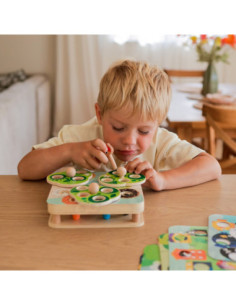
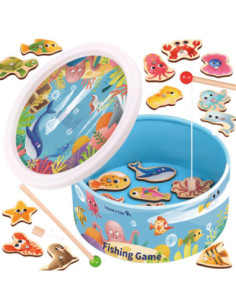

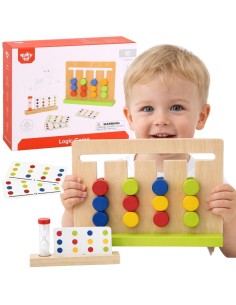
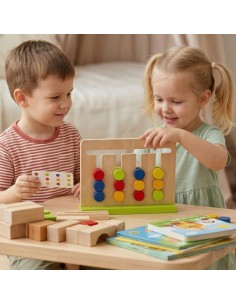
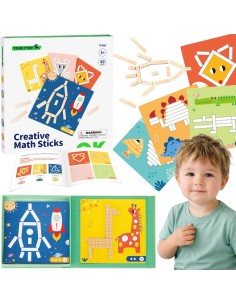

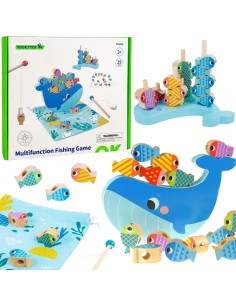
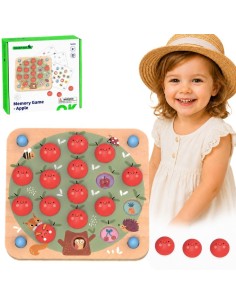
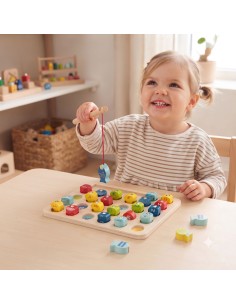
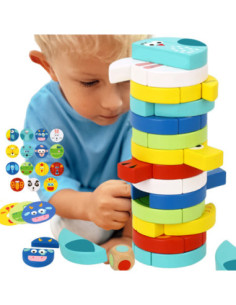
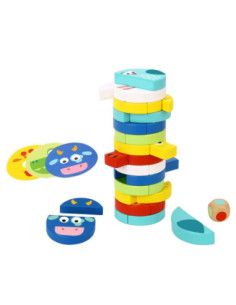

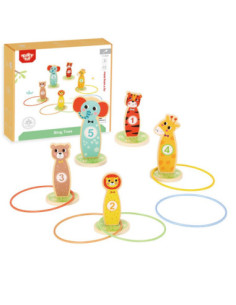
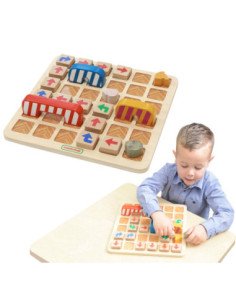
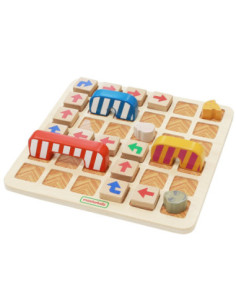
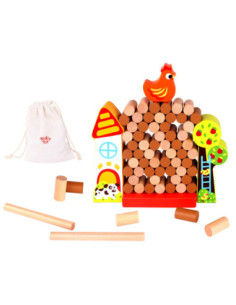

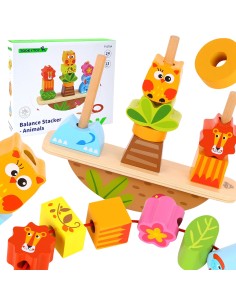

Our Games category brings together a broad mix of titles that help online stores and trade partners build a high-turnover assortment with strong year-round demand. From family favourites and card games to board games, educational formats and party titles, this selection is designed to support fast buying decisions, clear product filtering and attractive cross-sell opportunities. It is a practical category for B2B sellers who need products that appeal to different age groups, play styles and buying occasions.
For retailers and marketplace sellers, games are especially valuable because they are easy to position as gifts, weekend entertainment, holiday activity or a shared family purchase. Customers often return for more titles once they discover a game format that works for their household, which makes this category useful for repeat sales, bundle offers and themed promotions. With the right assortment, you can target both impulse purchases and more considered choices where the buyer compares age range, number of players, play time and game type.
The category includes products suitable for a wide range of customers: families looking for simple entertainment, fans of strategic gameplay, collectors who want new releases and gift buyers searching for something engaging and easy to understand. This diversity helps you serve multiple sales channels at once, whether you run an online shop, sell through Allegro, Amazon, Erli or Empik Marketplace, or operate in a dropshipping model where accurate product information and availability are essential.
In wholesale and multi-channel retail, games perform well because they combine clear consumer appeal with strong merchandising potential. Shoppers typically look for a product that fits a specific situation, such as a family evening, a birthday present, a travel activity or a party with friends. That gives you many ways to present the same assortment across different platforms and customer segments.
When products are described properly, the category becomes easier to browse and easier to convert. Buyers can quickly identify whether a game is suitable for younger children, older players or mixed-age groups. They can also compare complexity, session length and group size without needing additional explanation. This reduces friction in the sales process and helps lower the number of pre-sale questions.
Games are a strong choice for online stores because they can be merchandised in many ways. A single product can be promoted as a birthday gift, a holiday present, a rainy-day activity or a weekend family favourite. This flexibility makes it easier to build campaigns around seasons and occasions without changing the core assortment too often.
The category also works well with recommendation logic. Stores can group titles by age, difficulty, player count or type of interaction, helping shoppers find the right product faster. That is particularly useful for customers who want a quick answer and prefer to choose independently rather than ask for support. Better navigation can improve conversion and reduce abandoned sessions.
For B2B sellers, games often create a positive ripple effect across the catalogue. Customers who buy one title may later return for complementary products, expansion-style purchases or additional games for different age groups. This creates space for repeat sales and larger average order values, especially when the offer includes clear product data and ready-to-use visual materials.
Family games usually have the highest mass-market potential because they are easy to explain and easy to recommend. Buyers often prefer formats that can be learned quickly and played without long preparation. That makes them ideal for stores that need products with broad appeal and lower decision barriers. They also fit well into seasonal promotions, gift sets and home entertainment collections.
Card games are another practical option for B2B partners. They are often compact, relatively easy to present in listings and attractive for customers who want a smaller purchase that still feels engaging. Their portability makes them suitable for travel, evenings away from home and spontaneous group play. For sellers, that means useful cross-selling potential and good visibility in smaller-format merchandise areas.
Board games bring deeper engagement and often support stronger basket value. They are a natural fit for customers who want something more immersive, more strategic or more collectible. In retail terms, they can anchor a premium segment, while still being easy to communicate through images, short descriptions and specification-based filtering. When the product page shows number of players, age range and game time clearly, the path to purchase becomes much smoother.
Many games in this category do more than entertain. They can support memory, concentration, logic, language development, social interaction and decision-making. This is especially valuable for parents and caregivers who want a product with visible play value and practical benefits. For stores, that means a stronger reason to include the assortment in educational, family and gift-oriented collections.
Some games also serve children who need additional developmental support, including those with special educational needs or rehabilitation-related challenges. In these cases, the right game can provide structured play, repetition, visual stimulation and a safe way to build confidence. Because buyers often search for a specific developmental effect, having accurate and thoughtful product information makes the offer more trustworthy and easier to sell.
When describing these products in your channels, it is useful to highlight what the game helps with without overselling or making vague claims. Clear statements about observation, matching, vocabulary, sequencing or teamwork are often enough to help a buyer understand the value. This is especially important in B2B sales, where retailers want to stock products that can be easily explained to end customers.
Party games are highly useful for stores that want fast-moving products with immediate appeal. Buyers often choose them because they promise laughter, social interaction and a quick start. They are ideal for evenings with friends, celebrations, holidays and situations where people want something lively rather than complicated. Their visual appeal also makes them suitable for homepage banners, seasonal campaigns and gift guides.
Travel-friendly games are another important segment. Smaller boxes, simpler rules and portable components make them attractive to families going on holiday, groups spending time outdoors and customers looking for entertainment that does not require much space. These products can be positioned as practical add-ons, making them useful for increasing order value.
Everyday games should not be overlooked either. Some customers want titles they can reach for repeatedly without learning a lot of new rules each time. These products often become staples in family collections, which increases the chance of return visits and follow-up purchases. For resellers, they are useful because they usually fit many selling contexts and can be stocked alongside other entertainment products.
Games are particularly effective in multi-channel commerce because their purchasing criteria are easy to standardise. Age, player count, play time, theme and complexity are all data points that can be used consistently across a web shop and marketplaces. That makes the category suitable for XML integration, automated catalogue management and regular stock and price synchronisation.
For marketplace sellers, this is a real operational advantage. When product data is complete and up to date, listings are easier to manage and less likely to create customer confusion. Ready product descriptions and images also reduce launch time, allowing you to add new titles to your offer more quickly and keep the catalogue active across several channels at once.
Whether you sell on Allegro, Amazon, Erli or Empik Marketplace, the category benefits from a clear structure. Buyers want to make fast decisions, and they often compare several similar items before choosing one. Accurate data and attractive presentation help your products stand out while keeping support requests low.
One of the best ways to sell games effectively is to organise them around use cases rather than only by brand or series. Grouping products by family play, educational value, party entertainment or strategic gameplay helps customers navigate the assortment more naturally. It also gives your sales team and trade partners ready-made concepts for newsletters, category landing pages and promotional campaigns.
Bundle suggestions can also increase performance. A family game can be paired with a card game for a complete home entertainment set, while a party title can be positioned alongside a quick reaction or quiz-based product. These combinations help customers see value and make larger purchases without feeling pushed into an unnecessary upsell.
From an operational perspective, games work well in a catalogue that changes often. New releases, seasonal bestsellers and evergreen titles can be rotated with limited effort if your data feed is structured correctly. This is where automated stock and price updates are especially helpful, because they let you keep listings accurate while focusing on sales instead of manual maintenance.
Customers usually want answers to a few simple questions before they buy a game. They need to know who can play it, how long a session lasts, whether the rules are simple or advanced and what kind of experience the product offers. If those details are visible in the listing, the product becomes easier to trust and easier to sell.
Visual presentation also matters. Clear images, packaging views and concise feature highlights help buyers assess whether the game is appropriate for a child, a family gathering or a gift purchase. In B2B trade, this translates into better conversion for your partners, because they can reuse the information across their own selling channels.
Another important factor is repeatability. Games that encourage replay value tend to perform better over time because customers feel they are buying something that stays relevant. This is particularly attractive for resellers who want products with longer shelf life and stronger consumer satisfaction.
For wholesalers and dropshipping partners, games are a convenient category because they can be promoted with relatively clear parameters and broad audience appeal. That helps reduce uncertainty in the sale process and makes it easier to align stock with demand. A well-built assortment can serve gift seasons, family occasions and everyday entertainment needs at the same time.
When combined with XML feeds, automated content updates and synchronised pricing, games become straightforward to manage across multiple stores. This reduces the risk of outdated information and helps maintain a reliable customer experience. If a partner is working on a fast-moving platform, having ready descriptions and images is often the difference between a slow launch and a product that goes live immediately.
The category also fits well into resale models because it offers enough variety to support different audiences without becoming difficult to present. Some titles are ideal for children, some for adults and some for mixed-age groups. That variety gives partners room to build a balanced offer while keeping the catalogue understandable.
A profitable games assortment usually combines several product types: easy-to-sell family titles, compact card games, engaging board games and selected educational items. This mix helps you cover different price points and buying motivations. It also gives your customers a reason to come back when they want something new for a different occasion or age group.
Seasonal planning can strengthen results even further. Games perform well during holidays, school breaks, winter evenings and gift-giving periods. If your catalogue is updated regularly and supported by reliable data, you can react quickly to these peaks and keep visibility high across all active channels.
For B2B trade, the most important thing is to make the offer easy to understand and easy to list. When product information is complete, visuals are ready and availability is current, the category becomes a strong sales tool rather than just a collection of items. That is why games remain one of the most dependable segments for online stores, marketplace sellers and distributors looking for steady turnover and flexible merchandising opportunities.
In short, this category is built for practical selling. It offers variety for buyers, repeat potential for retailers and a clear fit for automated multi-channel operations. With the right assortment and the right product data, games can support everything from impulse purchases to planned gift buying, helping your business grow across web shops, marketplaces and B2B distribution channels.