

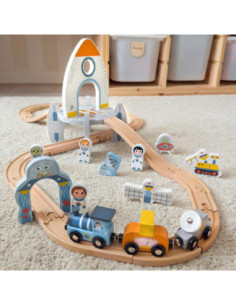
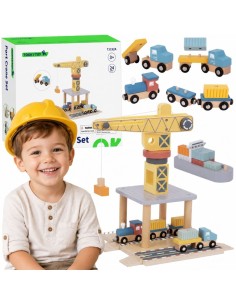

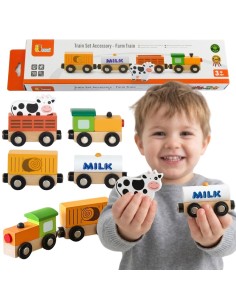


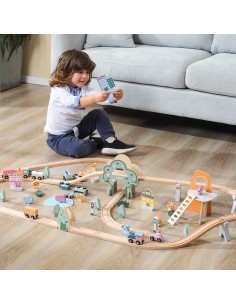
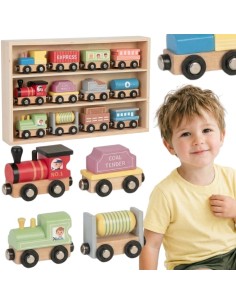
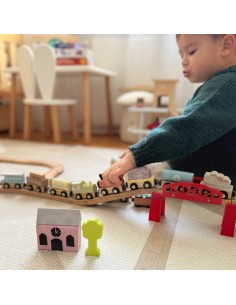
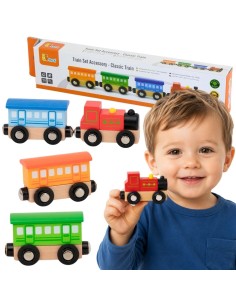

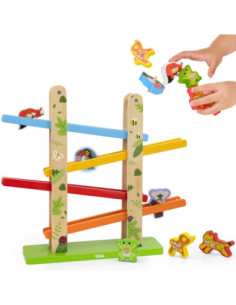
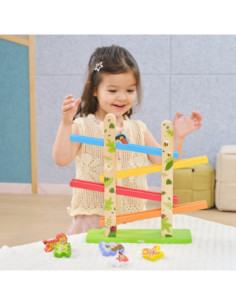


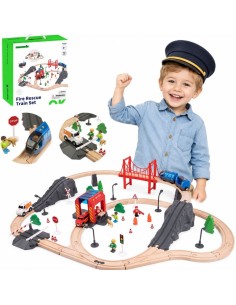

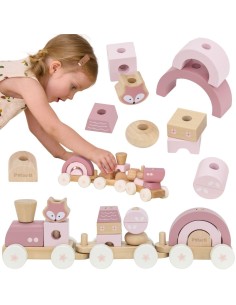
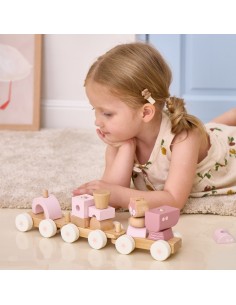


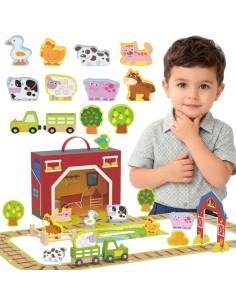

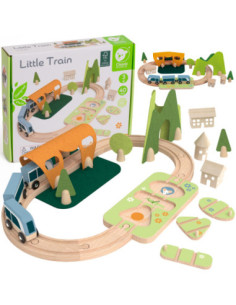
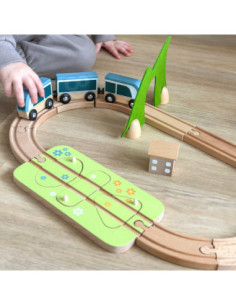

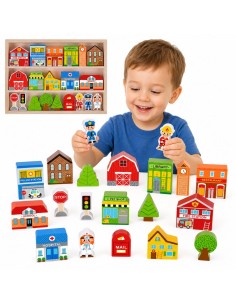

Vehicles are one of the most versatile toy categories for B2B assortments because they combine broad customer appeal, easy merchandising and strong seasonal as well as year-round demand. In online stores, marketplaces and wholesale catalogs, toy vehicles work especially well as a category that can be expanded in many directions: from classic cars and trucks to construction machines, service vehicles, rescue units and transport-themed playsets. This variety makes it easier to build a balanced offer for different age groups, interests and budget levels, while keeping the selection understandable for the end customer.
For wholesalers and trade partners, the category is particularly valuable because products in this segment are simple to present, easy to combine into themed collections and effective in multi-channel sales. Ready product descriptions, images and structured product data help speed up publication in online stores and marketplace listings. At the same time, stock and price synchronization support a reliable assortment management process, which is important when selling through Allegro, Amazon, Erli, Empik Marketplace or in dropshipping models.
Toy vehicles are a category with a clear and instantly understandable theme. Customers do not need much explanation to recognize the value of a car, truck or construction machine, which makes the shopping path shorter and the conversion potential stronger. In practice, this means that well-presented products can perform well both in organic browsing and in promotional campaigns. For store owners, that translates into a category that can carry traffic, support upselling and respond well to impulse buying.
The category also works well because it can be organized in many meaningful ways. You can group products by type of vehicle, by play scenario, by age recommendation, by size, by material or by price range. Such structure helps customers navigate the offer more easily and makes it simpler to build collections that fit the season, occasion or marketing campaign. Vehicles can be sold as single items, in sets or as part of larger themed assortments, which is useful for retailers looking for higher basket values.
A strong assortment in this category usually includes several product directions so that the offer is not limited to one style of play. Vehicles with different functions and visual identities appeal to different buyers, from parents looking for everyday play items to gift shoppers searching for something recognizable and attractive. For B2B partners, this diversity makes it possible to cover multiple customer needs without creating a complicated category structure.
Because the category naturally includes many recognizable forms, it becomes easier to create dedicated landing pages and filtered product lists. This is useful both for SEO and for on-site navigation, especially when a retailer wants to support demand from users searching for a specific type of vehicle rather than a broad toy category. Clear categorization also helps marketplace sellers keep listings organized and consistent.
When selecting vehicles for a wholesale offer, it is important to focus on features that make the product easy to sell and easy to present. Buyers usually respond well to toys that have clear visual appeal, durable construction and a play pattern that is easy to understand. In category planning, it is worth paying attention to details that can be highlighted in descriptions, thumbnails and marketplace cards.
In B2B sales, these features are more than product details - they are practical tools for improving listing quality. A clear description, good photos and complete data help the retailer publish the item faster and present it in a way that is more likely to attract clicks. That is especially important in marketplaces, where strong product content directly affects search visibility and buyer confidence.
One reason this category remains strong is that vehicles fit naturally into many forms of play. Children often use them to create stories, simulate real-life situations and repeat familiar scenes they observe in the world around them. That makes vehicles highly reusable in everyday play and increases the chance of repeated use after purchase. For retailers, this is a meaningful advantage because products tied to simple and intuitive play patterns are easier to recommend and easier to position as gifts.
Common play scenarios include road traffic, city transport, rescue missions, construction work, farm activities and delivery routes. These scenarios are useful in product marketing because they help build emotional context around the toy without overcomplicating the offer. A car or truck is not just a standalone item - it can be part of a play world that includes roads, figures, buildings and complementary accessories. This opens the door to larger carts and more structured category pages.
For store owners, these scenarios are helpful because they can be used in internal linking, product grouping and content planning. A customer looking for a birthday gift can be guided toward a more thematic selection instead of a single item. That often improves engagement and encourages multi-item purchases.
Vehicles are especially convenient in e-commerce because they can be expanded gradually and organized in a way that supports search filters, collection pages and category hierarchy. A retailer can build the category from entry-level products to more advanced or detailed models, depending on the target audience. This flexibility is useful in stores that sell across several channels and need the offer to remain understandable in each of them.
In marketplace environments, the same product often needs to perform in different contexts: as a search result, a sponsored listing or a category item. This is where clean product data becomes important. A complete catalog with synchronized stock and prices reduces the risk of selling unavailable items and helps maintain quality across multiple sales points. With automatic updates, trade partners can keep their offers current without manual checks for every product.
Vehicles also support structured merchandising. A retailer can place them in seasonal campaigns, birthday collections, travel-themed promotions or gift guides for younger children. Since the category includes many familiar and low-explanation products, it can be used to strengthen conversion in both broad and niche campaigns. This makes it a dependable part of a B2B toy assortment rather than just a supporting category.
One of the strongest operational advantages in wholesale toy trade is the ability to publish products quickly and consistently. Ready descriptions and images save time for store teams and reduce the workload associated with creating listings from scratch. This is particularly relevant when a category includes many variants that need to be introduced across several platforms at once.
For online stores, Allegro sellers, Amazon sellers and dropshipping partners, automation can make category management much more efficient. XML integrations and synchronized stock and price data help ensure that the offer remains coherent across the shop, the marketplace and any connected systems. This reduces errors, supports customer satisfaction and makes it easier to scale the catalog without losing control over product availability.
These benefits matter especially in categories like vehicles, where the product language is simple but the assortment can become large very quickly. Good automation helps keep the whole structure manageable while preserving a professional presentation for the end customer.
Themed collections are one of the most effective ways to grow sales in this category. Instead of presenting all products in a flat list, a retailer can arrange them into practical groups that match customer intent. This makes browsing easier and gives the store more opportunities to promote complementary products.
Possible collection ideas include city transport, building site play, rescue services, farm life, road adventure and fleet sets. Each theme can be paired with filters, banners and category descriptions that explain the play value in a simple and appealing way. Themed collections are especially helpful when the store wants to support average order value by suggesting similar items or bundle-friendly products.
When the assortment is organized this way, customers are more likely to find what they need quickly. That improves user experience and helps the retailer maintain stronger sales performance across multiple channels.
From a wholesale perspective, vehicles are a category that combines clarity, variety and dependable demand. The products are easy to explain, easy to display and easy to turn into a structured offer. They work well for retailers who need a category that can be sold both as an everyday staple and as part of a broader promotional strategy. Because they are familiar to the end customer, they usually require less educational content and allow the listing to focus on key benefits and play value.
For trade partners, this also means that vehicles can be managed as a category with strong commercial potential and relatively low content complexity. A well-prepared offer with synchronized data, ready visuals and clear descriptions can be published faster, updated more reliably and sold more effectively across online stores and marketplaces. Whether the goal is to build a stable evergreen category or to support seasonal campaigns, vehicles remain a practical choice for B2B toy distribution.
In short, this category gives retailers a flexible way to serve broad demand while keeping the assortment organized and efficient. It supports impulse purchases, themed shopping, bundle creation and multi-channel selling, making it a strong foundation for any toy wholesaler focused on growth, automation and consistent product presentation.