


SKU: TY635A
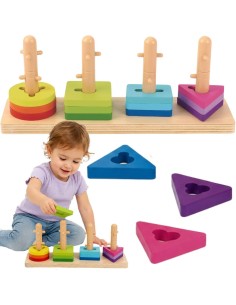
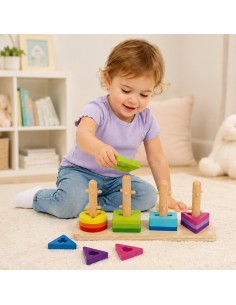
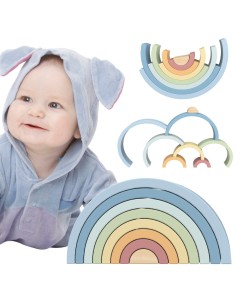
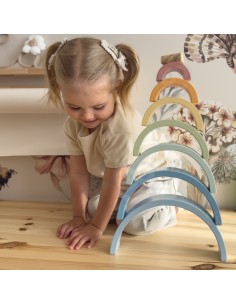
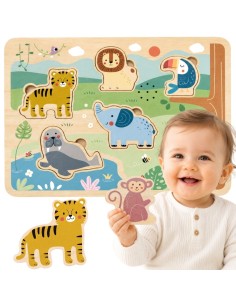
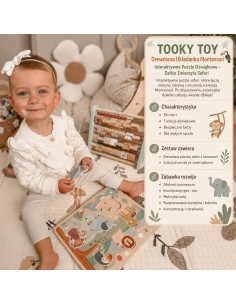
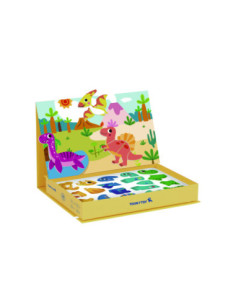
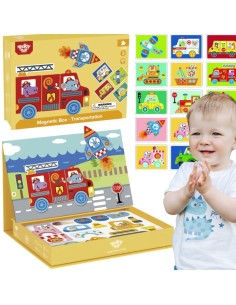
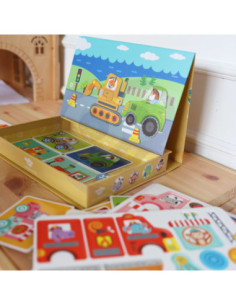


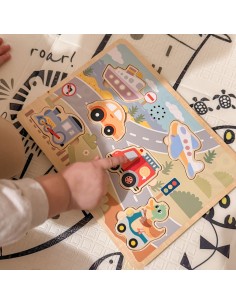

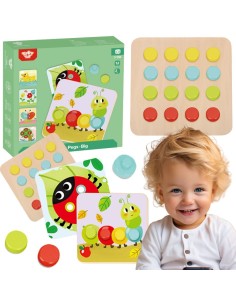
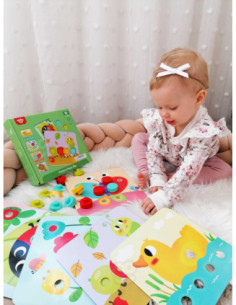
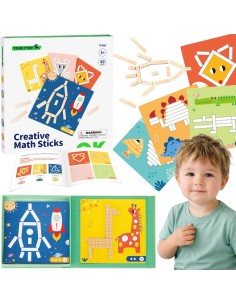


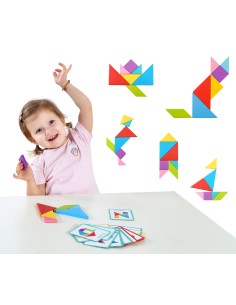
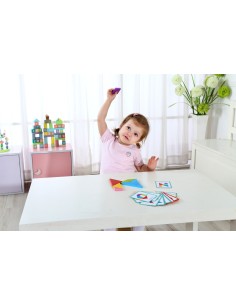
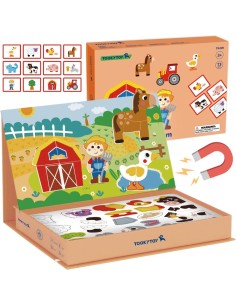
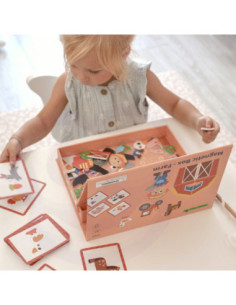
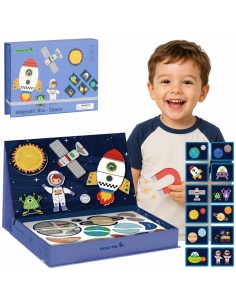
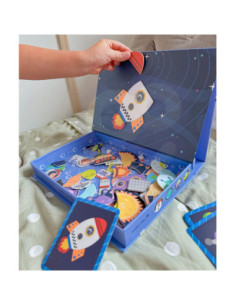
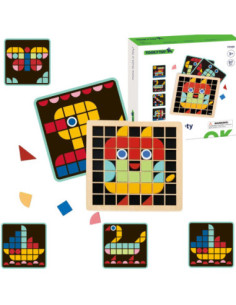
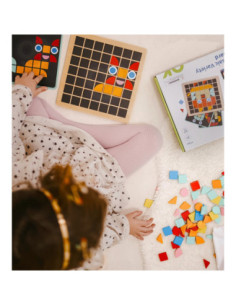
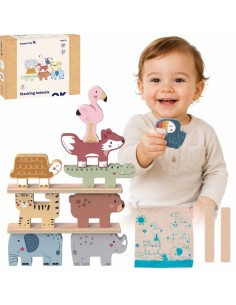
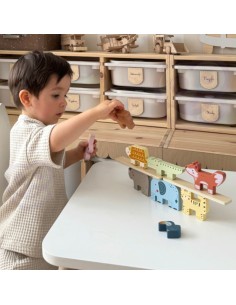
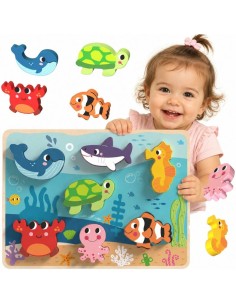


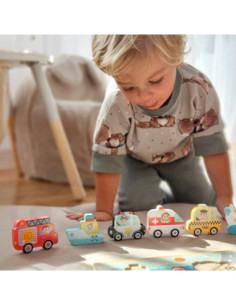
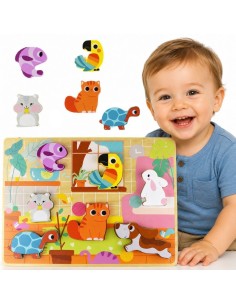
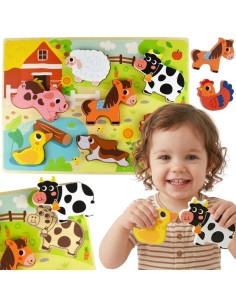
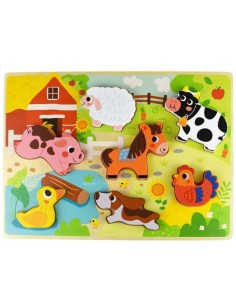

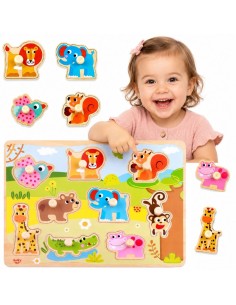
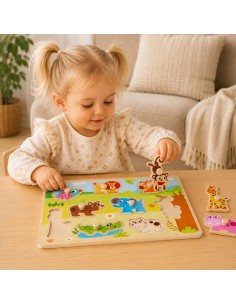
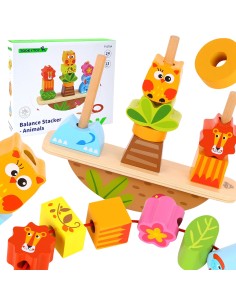


Puzzles are one of the most reliable categories in a B2B toy assortment because they combine strong everyday demand with clear product differentiation. They work well in online stores, on marketplaces, and in wholesale offers for resellers who need products that are easy to present, easy to understand, and easy to sell. In this category you can build a balanced range for different ages, interests, and skill levels, from simple first puzzles for younger children to more advanced sets for older kids and family use.
For trade partners, puzzles are attractive because they are products with broad appeal and a predictable place in the shopping journey. Parents often choose them when they want a quiet activity, a gift with developmental value, or an item that keeps a child engaged without screens. Retailers benefit from clear product features such as number of pieces, theme, format, recommended age, and difficulty level, which makes listing and filtering straightforward across multiple sales channels.
In a well-structured assortment, puzzles can support both regular sales and seasonal peaks. They are popular throughout the year, but demand often rises during holidays, back-to-school periods, rainy weeks, and gift-buying seasons. That makes this category especially useful for stores that want stable rotation and a compact product group that can be expanded with new themes and formats without disrupting the rest of the offer.
Puzzles are easy to position in an online catalog because they offer immediate value to the buyer. The customer can quickly judge whether the product fits the child’s age, interests, and patience level. This reduces hesitation and helps convert browsing into purchase. For wholesalers and marketplace sellers, that means fewer complicated explanations and a lower risk of mismatched expectations after sale.
From a merchandising point of view, puzzles are also flexible. They can be sold as standalone items, grouped by age, or cross-sold with other educational toys. A store can create clear collections such as beginner puzzles, large-piece sets, animal themes, vehicle themes, map themes, or family puzzles. That structure supports navigation in webshops and improves visibility in search results on platforms such as Allegro, Amazon, Erli, and Empik Marketplace.
Another advantage is the strong repeat-purchase potential. Customers who buy one puzzle often return for another with a different theme or higher level of difficulty. For sellers, this creates room for upselling within the same category. A child who starts with a simple set may later move on to more complex puzzles, which helps increase basket value over time.
When a category is prepared for online sales, product details matter. Puzzles are especially suitable for e-commerce because their core properties are easy to communicate in product cards, feeds, and marketplace listings. Buyers usually look at the number of pieces, size of the finished image, theme, age recommendation, and material quality. The more clearly these points are presented, the faster the purchase decision happens.
In wholesale assortment planning, it is worth selecting puzzles that cover a range of expectations. Some customers look for simple educational play, others want a decorative image with strong visual appeal, and others want a longer, more engaging challenge. A broad but organized selection allows the retailer to meet all of these needs without overcomplicating inventory management.
These formats can be presented in a way that helps the customer quickly compare options. In multi-channel sales, that clarity is important because users on marketplaces often make decisions within seconds. A strong title, a clean image set, and a precise description can make the difference between a view and a sale.
Beyond entertainment, puzzles are valued for their educational benefits. They support concentration, patience, visual perception, hand-eye coordination, spatial thinking, and the ability to recognize patterns. Many parents and educators actively look for toys that encourage calm, focused activity, and puzzles fit that expectation very well. This makes the category relevant not only for home use, but also for preschools, learning spaces, and therapy-oriented environments.
Some children need toys that support development in a gentle and structured way, especially when there are natural barriers related to health, attention, or motor coordination. Puzzles can be a useful part of such play because they allow gradual progress and visible results. The child can start with simpler tasks and then move to more demanding sets, which supports confidence and engagement. For sellers, this is a meaningful selling point that can be included naturally in product descriptions and category pages.
It is also worth noting that puzzles are often chosen as a quiet alternative to screen-based entertainment. Many families prefer toys that encourage hands-on activity and shared time. A puzzle can be used individually or together, which adds to its value and makes it easier to position as both a practical and emotional purchase.
A good puzzle assortment should be built with rotation and clarity in mind. Store owners and resellers do not need too many similar items, but they do need enough variety to cover different buyer profiles. The best results usually come from a structure that includes simple starter sets, mid-range everyday products, and a few more advanced or highly themed puzzles.
This approach helps with stock control and presentation. When a category is organized by age, difficulty, and theme, it becomes easier to manage inventory and easier for the customer to find the right item. It also supports better navigation in a webshop, where shoppers often compare several products before adding one to the cart. Clear segmentation reduces friction and improves the chance of conversion.
For companies working in dropshipping or multichannel retail, puzzles are especially convenient because the range can be updated without major effort. With XML integrations and automatic stock and price synchronization, offers can remain current across multiple channels. That is important when the same product is sold on a store website, on Allegro, on Amazon, or in other marketplace environments where accuracy and availability strongly affect performance.
In B2B e-commerce, the speed of listing matters almost as much as the quality of the product itself. Puzzles are a category where ready product descriptions and image assets can significantly shorten the time needed to publish an offer. When a wholesaler provides complete material, a retailer can quickly create a polished product card without rewriting basic information from scratch.
This is particularly useful for sellers who manage large catalogs or operate across multiple channels. A consistent description structure helps maintain brand presentation and keeps product data understandable across different platforms. It also reduces the workload for teams that regularly update offers, refresh assortments, or launch new products in bulk.
For marketplace sellers, this kind of support translates into practical benefits. Better data preparation means faster publication, fewer listing errors, and less manual correction. When combined with stock and price synchronization, the category becomes easier to scale. That is why puzzles are a strong choice for partners who value efficient operations and a stable, repeatable sales process.
Good category performance depends not only on product quality, but also on presentation. Puzzles are visually intuitive, which means the product image and finished image should communicate the main appeal immediately. Store owners should highlight what makes each item different: theme, piece count, age suitability, and the kind of play experience it offers. This helps customers choose faster and supports higher trust in the listing.
It is also effective to use clear category logic. Products can be grouped by age range, difficulty, motif, or intended use. For example, some customers are looking for quick everyday activities, while others want a gift item or a shared family project. When the assortment reflects these buying intentions, the category becomes more useful to shoppers and more profitable for the seller.
For B2B partners, this means the category should not be treated as a simple collection of images on a shelf. It should be built as a structured sales tool. The better the product is classified, the easier it is to promote in newsletters, marketplace campaigns, paid ads, and organic search results.
Puzzles are a practical category for wholesalers because they are compact, easy to store, and usually straightforward to ship. They can be ordered in a wide range of quantities and adapted to the scale of the business. For distributors, they offer a good balance between variety and operational simplicity. For dropshipping companies, they provide a product type that is easy to list and easy to refresh when the assortment changes.
The category also works well when the seller wants to maintain a clean offer with minimal overlap. Because puzzles differ clearly by theme, size, and complexity, it is easier to avoid confusion between products than in categories where many items look alike. This improves customer satisfaction and helps reduce returns related to wrong expectations.
In multi-channel commerce, this is a significant advantage. Sellers need categories that can be presented clearly in a store, on a marketplace, and in comparison-driven environments. Puzzles are ideal for this because they translate well into structured product data. With the right support from a wholesaler, they can be listed efficiently and kept up to date without heavy manual work.
Although puzzle sales may rise during gift seasons, the category can generate steady demand throughout the year if it is built well. Parents buy puzzles for home play, educators use them in activity settings, and gift buyers choose them for birthdays and holidays. That broad use case makes them a dependable category for retailers who want consistent movement rather than only short-term spikes.
To support year-round sales, it helps to maintain a mix of timeless themes and fresh visual concepts. Classic motifs often attract repeat buyers, while new images and licensed-style appeal can bring attention from shoppers looking for something specific. A balanced selection gives the store more opportunities to match consumer intent.
Retailers can also use puzzles to strengthen bundles and add-on sales. For example, a customer browsing educational toys may be open to adding a second puzzle with a different difficulty level or theme. That kind of cross-selling is easier when the assortment is built with logical progression and clear product differentiation.
Puzzles are a versatile and commercially stable category for online stores, resellers, and marketplace sellers. They combine easy-to-understand product features, strong educational value, and broad customer appeal. Because they are simple to present and easy to organize, they work well in both small and large assortments.
For B2B partners, the category offers additional advantages: straightforward product data, strong visual presentation, repeat-purchase potential, and compatibility with multi-channel sales. With XML integrations, stock and price synchronization, ready descriptions, and image assets, puzzles can be added to offers quickly and managed efficiently across different platforms.
If you are building a toy assortment that needs steady rotation, clear merchandising, and strong online performance, puzzles are a category worth developing. They support stable sales, fit many buyer profiles, and create a practical foundation for long-term category growth.