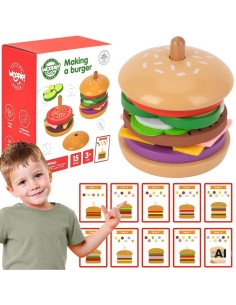
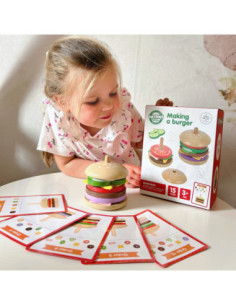
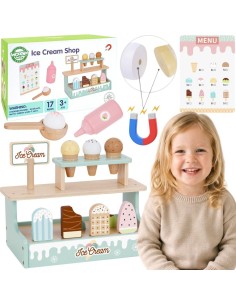
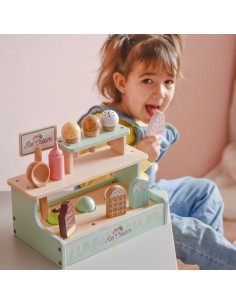
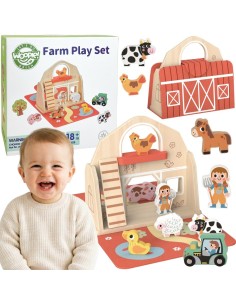
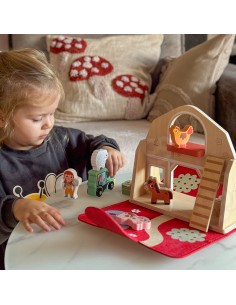
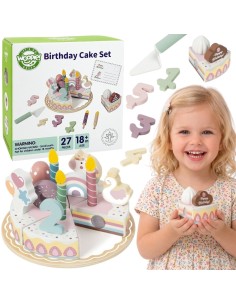
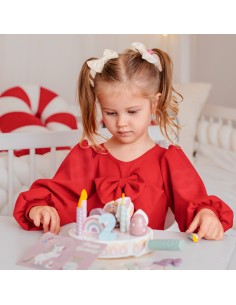
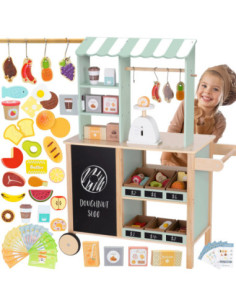
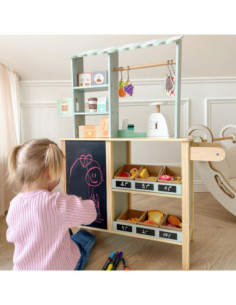
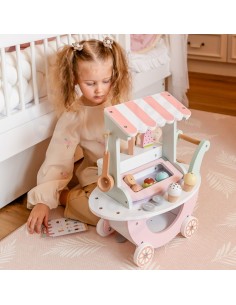
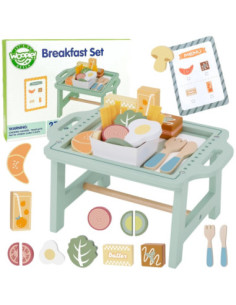
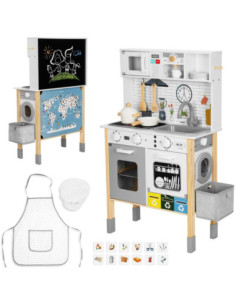
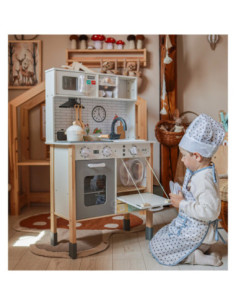
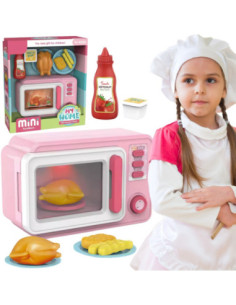
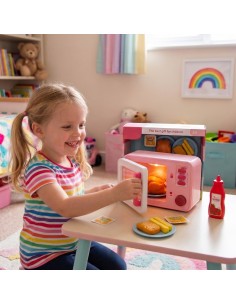
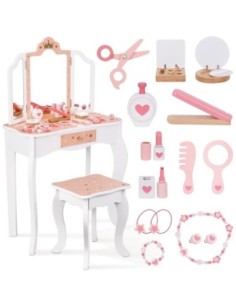
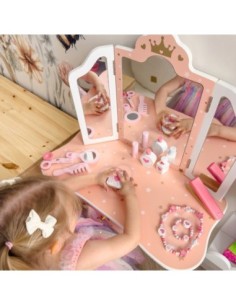
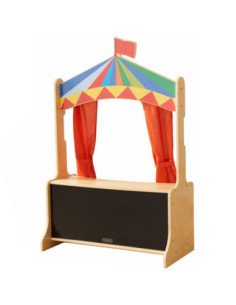
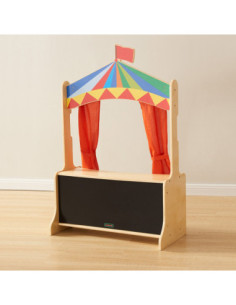
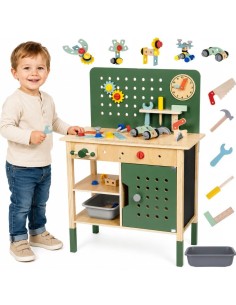
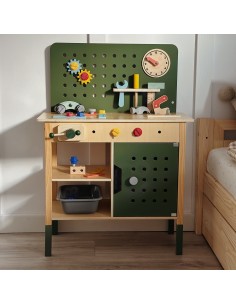
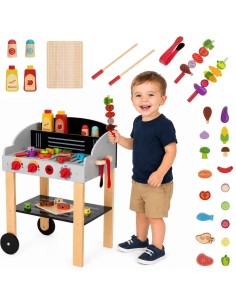
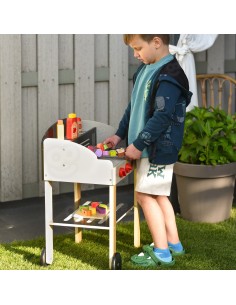
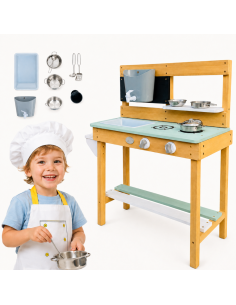
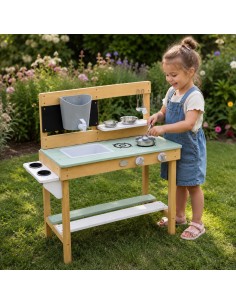
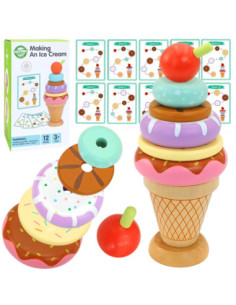
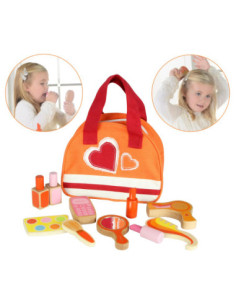
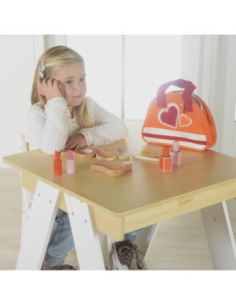
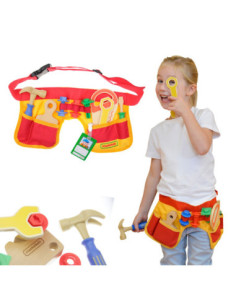
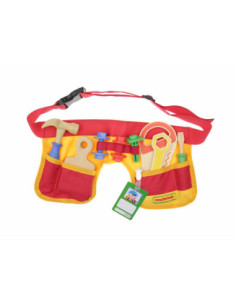
Role playing toys help children turn everyday moments into engaging stories, making this category a strong choice for retailers who want products with both play value and clear commercial appeal. In a B2B assortment, role play sets are easy to present, easy to bundle with accessories, and easy for customers to understand at a glance. Whether the end buyer is looking for a pretend doctor kit, a kitchen set, a shop counter, or a themed profession set, these products encourage imaginative play, communication, and social interaction in a format that is highly attractive for online sales.
For wholesalers and resellers, this category works especially well because it supports repeat purchases and cross-selling. A basic set often leads to additional accessory sales, while themed items can be grouped into larger offers for different age groups and play scenarios. That makes role playing toys a practical segment for e-commerce stores, marketplace sellers, and dropshipping partners who need products that are simple to list, easy to explain, and visually appealing in product feeds.
What this category includes
The category covers a wide range of toys designed for pretend play and imitation of real-life activities. These products allow children to explore the world around them by taking on roles such as doctor, chef, shopkeeper, firefighter, mechanic, or caregiver. They are typically sold as sets with accessories, costumes, tools, or themed props that create a complete play experience. From compact starter kits to larger themed collections, this assortment gives trade customers flexibility when building a catalog for different audiences.
In retail terms, role playing toys are strong because they match clear purchase intentions. Parents and gift buyers usually search by scenario rather than by technical specification, which makes the category easy to market. A customer looking for a pretend kitchen or medical kit already knows the type of product they want, so strong visuals, clear descriptions, and concise feature points can drive conversion effectively.
Why role play toys sell well in B2B channels
These products are well suited to B2B distribution because they create natural merchandising opportunities. A single theme can be expanded into several SKUs, including starter sets, accessory packs, and larger premium versions. That gives online stores and distributors more options for pricing strategy and product placement. It also makes the category useful for sellers who want to create structured collections for seasonal campaigns, birthday gifts, nursery items, or educational play ranges.
For marketplace sellers, role play products also perform well because the category lends itself to quick listing creation. Ready product descriptions and images reduce the time needed to publish offers on platforms such as Allegro, Amazon, Erli, and Empik Marketplace. When stock and price synchronization is automated through XML integration, the seller can update the catalog faster and reduce the risk of outdated listings or canceled orders. That is particularly important in toy wholesale, where fast-moving items can change availability quickly.
Popular play scenarios and customer needs
One of the greatest strengths of this category is its variety. Different role play themes satisfy different customer needs, which helps trade partners build a broader assortment without confusing the buyer. Some of the most common scenarios include home play, professional play, and service-based play. Each of these can be adapted into smaller or larger sets depending on the target age and price range.
Pretend home and kitchen play
Kitchens, food preparation sets, tea sets, and restaurant play kits are among the most popular options. They support storytelling, turn-taking, and role exchange, which makes them attractive to parents seeking toys that combine fun with developmental value. For stores, these products are ideal for merchandising alongside utensils, food replicas, and themed accessories that extend the play value.
Medical and caregiver sets
Pretend doctor kits remain a classic choice because they help children become familiar with care routines in a safe and playful way. Stethoscopes, thermometers, syringes, medical bags, and other props turn a simple toy into an interactive learning experience. These items can be positioned as both entertaining and reassuring, which broadens their appeal in family retail and educational toy ranges.
Shop, service, and profession sets
Cash registers, shopping baskets, tool kits, cleaning sets, and role play accessories connected to everyday professions are easy to sell because they reflect familiar situations. Children enjoy copying adults, and these toys provide a structured way to do that. For sellers, profession-themed products are useful for creating assortments around real-life interests and for building bundles that encourage higher basket values.
Features that matter to buyers
When trade customers choose role playing toys for their assortment, they usually look for a combination of play value, durability, visual appeal, and clear age suitability. Products in this category often benefit from strong colors, recognizable shapes, and simple functions that are easy for children to understand. Well-designed sets also tend to have a good shelf presence, which helps both in store displays and in online thumbnail images.
Another important factor is modularity. Items that can be used alone or as part of a larger set are easier to sell across different channels. A small medical accessory pack, for example, can be offered as an entry-level item, while a full doctor station can be positioned as a premium option. This flexibility helps resellers target a wider customer base without overcomplicating inventory.
- Clear play scenario - products are easy for buyers to understand and select.
- Strong visual presentation - colorful sets improve conversion in online listings.
- Bundling potential - accessories and add-ons increase average order value.
- Flexible price points - suitable for entry-level, mid-range, and premium offers.
- Seasonal and gift appeal - suitable for birthdays, holidays, and nursery shopping.
Merchandising benefits for online stores and distributors
Role play toys are highly practical for sellers building a structured category tree. Because the product themes are intuitive, stores can organize them by scenario, age, or accessory type, which makes browsing easier for end customers. This also helps with search filters and category navigation on e-commerce sites. A clean structure improves usability and can increase the likelihood of additional purchases within the same theme.
For distributors, the category offers stable potential for repeat orders. Retailers often replenish popular scenarios such as kitchens, doctors, and store play sets, especially when they have products that photograph well and are easy to describe. This creates long-term value for B2B partners who supply consistent, ready-to-publish offers with product data, stock updates, and synchronized pricing.
How to present the category in a sales channel
Good product presentation matters because role play toys are bought both for entertainment and for their developmental benefits. In online listings, it helps to focus on what the child can do with the toy rather than only on its physical components. For example, instead of listing just individual parts, describe the play scenario: serving meals, checking a patient, ringing up purchases, or organizing a pretend workspace. That approach is more persuasive for parents and easier for marketplace algorithms to interpret when products are categorized properly.
Trade partners also benefit from having consistent assets across channels. Ready images, reusable descriptions, and structured item data save time when publishing offers across multiple marketplaces. When integrated with XML feeds and automatic stock and price synchronization, the assortment can be updated quickly across the entire sales network. This is especially valuable for stores working with high-volume toy catalogs and fast-moving seasonal demand.
Developmental value that supports buying decisions
Role playing toys are attractive because they support several areas of child development in a natural, playful way. Children practice communication, cooperation, sequencing, imagination, and problem solving while acting out everyday situations. For some families, these toys are also a gentle way to prepare children for real-life experiences, such as visiting a doctor, shopping with adults, or participating in shared home routines. That makes the category relevant not only as entertainment, but also as a tool that supports confidence and social learning.
For sellers, this developmental angle can be used carefully in marketing without overclaiming. It gives the product description substance and helps the buyer understand the value behind the purchase. In a B2B context, this is useful because it allows trade partners to position the category in multiple ways: as a gift line, an educational toy range, a pretend play collection, or a family activity assortment.
Why this category is good for bundle sales
Role play assortments are especially strong when sold as sets or grouped with compatible accessories. A kitchen set becomes more appealing when paired with food items, plates, and utensils. A doctor set becomes more complete when combined with a medical bag, tools, and additional props. A shop play set can be expanded with play money, baskets, and scanning accessories. These combinations make it easier for retailers to create product packages that feel complete and justify a higher average selling price.
Bundle logic also works well in marketplace environments, where buyers often compare similar offers quickly. A richer listing with a clearly defined play scenario and visible accessory value can outperform a basic standalone product. That makes role playing toys a smart category for resellers who want to improve conversion through visual storytelling and simple offer composition.
Assortment planning for B2B buyers
When selecting products for a wholesale catalog, it is useful to balance core evergreen themes with more specialized sets. Core themes such as kitchen, doctor, and shop play tend to generate steady demand, while more specific profession-based or service-based items can add variety and help differentiate the assortment. A good mix gives retail customers options for different age groups, budgets, and display strategies.
Because the category is easy to understand, it also supports faster onboarding for new trade partners. Buyers do not need complex technical explanations to evaluate the offer. They can quickly identify which sets fit their store profile and which products are suitable for cross-selling with other toy lines. This makes role play toys a dependable segment in a broader wholesale portfolio.
Summary for commercial buyers
Role playing toys combine strong consumer appeal with practical wholesale benefits. They are easy to list, easy to bundle, and easy to present across multiple sales channels. Their clear play scenarios make them attractive to parents, gift buyers, and educational customers, while their modular structure supports upselling and repeat purchases. For online stores, marketplace sellers, dropshipping businesses, and B2B partners, this category offers a solid base for building a profitable and easy-to-manage assortment.
With ready descriptions, product images, XML integration, and automatic synchronization of stock and prices, publishing and maintaining this category becomes faster and more efficient. That helps trade partners react quickly to demand, keep offers up to date, and present a polished product range across Allegro, Amazon, Erli, Empik Marketplace, and their own e-commerce channels.