
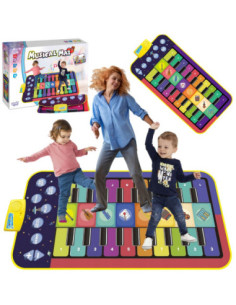
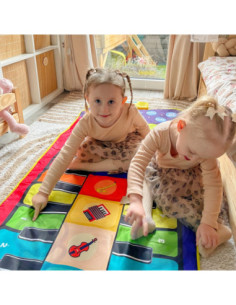
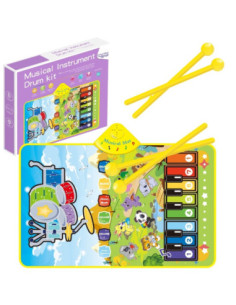
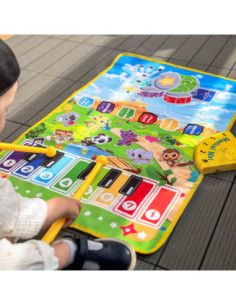
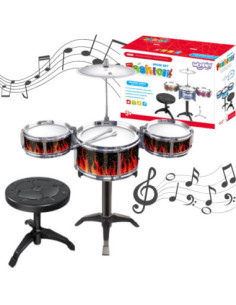

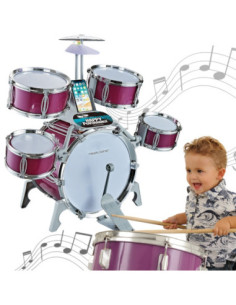
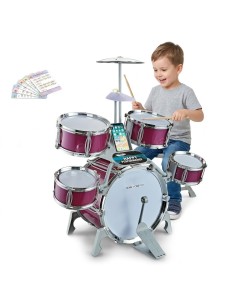
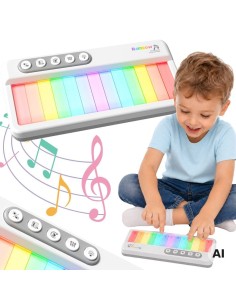
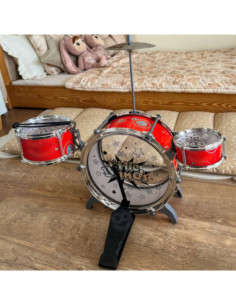

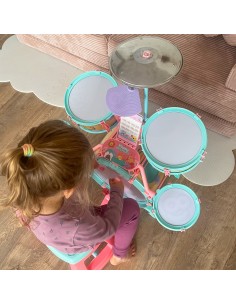
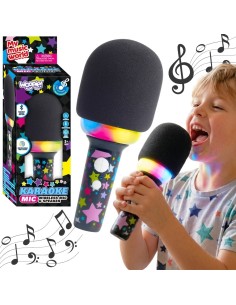

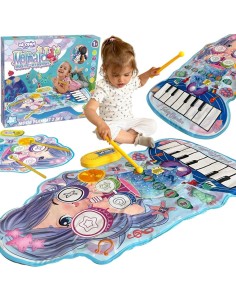
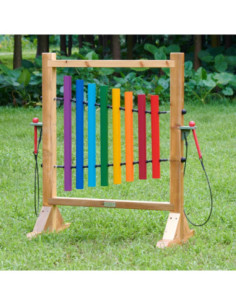
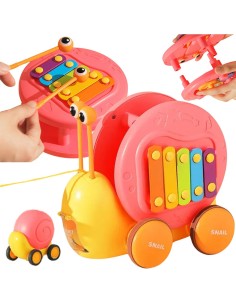
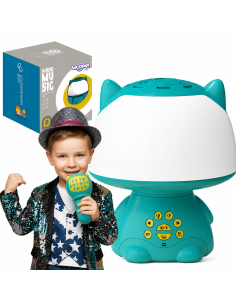
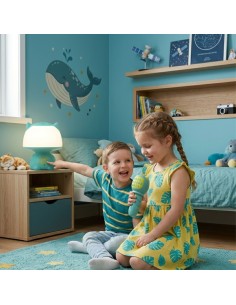
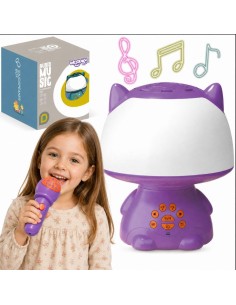

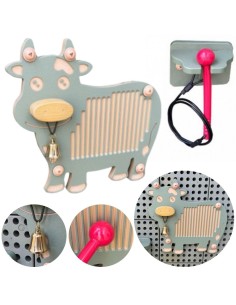
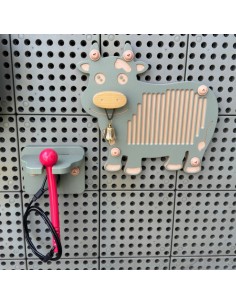
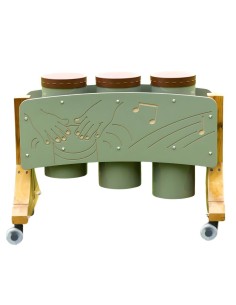


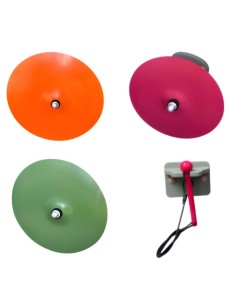
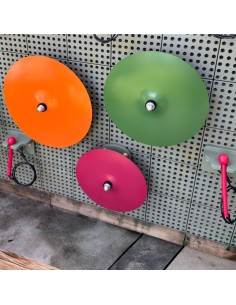
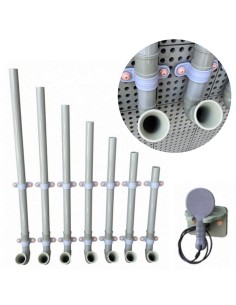

Children’s instruments are a category that combines play, early learning and strong commercial potential. They attract parents looking for engaging toys that support rhythm, listening skills, hand-eye coordination and creative expression, while giving online stores and B2B partners a clear, easy-to-merchandise assortment. In practice, this means a group of products that performs well both in seasonal campaigns and in year-round sales, especially when the offer is well organised by type, age and intended style of play.
For wholesalers, resellers and marketplace sellers, instruments are appealing because they are easy to present in bundles, gift sets and themed collections. Customers often search for very specific solutions: drums, mini pianos, guitars, percussion sets or starter music kits. That makes it easier to build category pages, cross-sell complementary products and create listings that answer the buyer’s intent quickly. A well-structured assortment helps the store look more complete and makes it easier for shoppers to compare options without leaving the page.
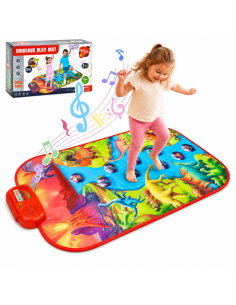
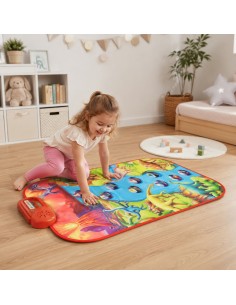
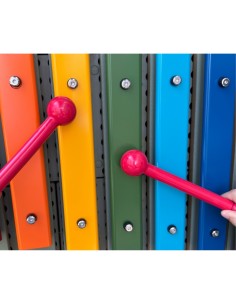
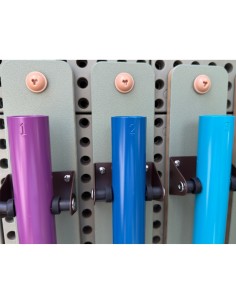
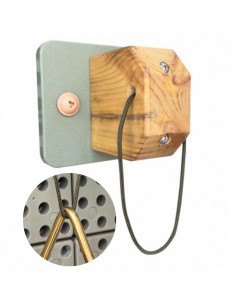
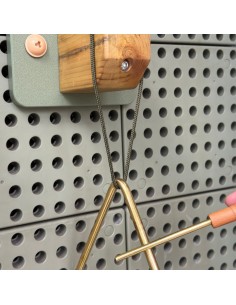
Products in this category are designed to encourage sound exploration, movement and first musical experiences. Some items focus on simple rhythm and cause-and-effect play, while others support melody creation, sequence learning and more advanced interaction. This range is useful for stores because it allows them to target several age groups at once and offer products suited to different stages of development.
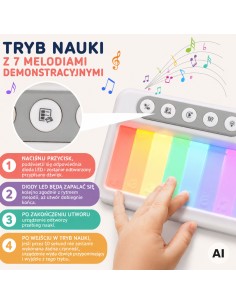
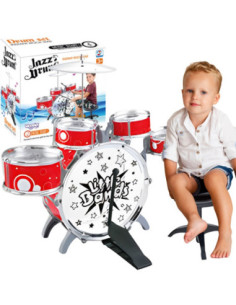
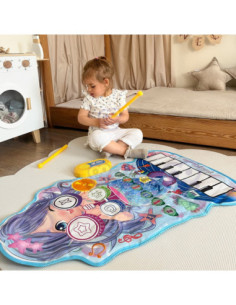
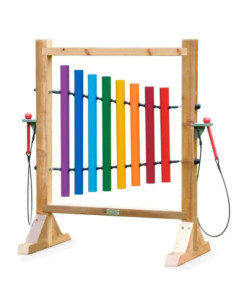
At the lower end of the range, buyers often choose simple percussion toys and easy-to-use sound makers that help children discover rhythm and basic coordination. For older children, the assortment can include keyboard-style toys, string-like instruments and small music sets that introduce melody and more structured play. This variety makes it possible to create a category that grows with the child, which is a strong selling point for parents and gift buyers.
Instruments for children are usually bought because they are easy to understand and easy to gift. A customer does not need long product education to understand the benefit: the toy makes sound, encourages participation and supports active play. That simplicity helps convert traffic on webshop category pages as well as on marketplaces where users compare products quickly and expect clear item descriptions.
This product mix gives sellers many ways to organise the offer. Some stores prefer age-based segmentation, while others group products by sound type, occasion or skill level. Both approaches work well, especially when the item data is complete and the catalogue is updated regularly.
Children’s musical toys are often purchased for birthdays, holidays, Children’s Day or as an add-on gift. This makes them suitable for thematic merchandising and gift-oriented campaigns. A store can create bundles around “first concert”, “home rhythm play” or “music discovery”, giving customers a ready-made idea instead of forcing them to build a set from scratch.
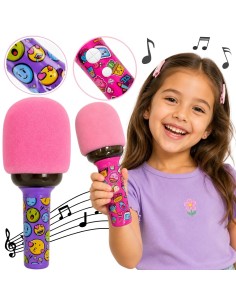
For B2B partners, that means a real opportunity to raise basket value. A basic instrument can be paired with a more advanced toy, a set can be complemented with another sound-related item, and the category can be promoted as a solution rather than a single product. Clear product positioning helps buyers understand what kind of play they are purchasing, whether the focus is rhythm, melody, pretend performance or simple creative fun.
Well-written product content is especially important here. Parents and gift buyers often want to know who the toy is for, what kind of experience it offers and how difficult it is to use. If the description explains the benefit clearly, conversion becomes easier and returns caused by incorrect expectations are less likely.
For e-commerce operators, the category is attractive not only because of demand but also because it fits efficient product management. Many items in this segment have repeatable attributes, clear variants and a straightforward sales story. That makes it easier to prepare listings, create filters and keep the catalogue clean.
Stores selling through multiple channels can also benefit from ready product descriptions and product images. When a catalogue is distributed across a webshop, Allegro, Amazon, Erli or Empik Marketplace, consistency matters. A uniform product presentation increases trust and saves time spent adapting each listing manually. It also helps buyers recognise the item faster and reduces confusion between similar products.
For wholesalers and dropshipping partners, automated processes are often just as important as the product itself. XML integrations, automatic stock updates and price synchronisation reduce the risk of overselling and make it easier to keep offers current. That is particularly useful in categories where demand can move quickly, especially during seasonal peaks and promotional periods.
Good category merchandising should answer the most common shopping questions at a glance. Customers usually want to know the child’s age range, the type of sound or play experience, the level of interaction and whether the item is a single toy or part of a set. When this information is easy to find, the product page becomes more persuasive and the shopping journey shorter.
Many sellers improve performance by adding simple internal logic to the category structure. For example, percussion toys can be grouped separately from keyboard-style items, while starter sets can be highlighted as gift-ready solutions. This makes navigation easier, especially in larger catalogues where buyers scan quickly and compare several items before adding to cart.
The same logic helps in marketplace listings. A clear title, a concise feature list and complete attributes can significantly improve discoverability. On platforms where the buyer sees multiple competing offers, accurate and well-organised product data is often the deciding factor.
When preparing offers for this category, it is worth focusing on the actual play value rather than using generic toy language. Buyers respond better when the description shows what the toy helps the child do and why it is worth choosing.
This approach is useful not only for direct sales, but also for resellers who need content that can be reused across multiple storefronts. When descriptions are prepared once and deployed through integration, the catalogue stays cleaner and the selling process becomes faster.
Children’s instruments are a good fit for multi-channel commerce because they are visual, understandable and easy to filter by key buying criteria. That means they perform well in both own stores and marketplaces where search behaviour is fast and product comparison is intense. If the stock is synchronised correctly, sellers can confidently list products without constant manual checking.
For trade partners, the category also offers strong operational convenience. Ready-made content, updated availability and structured product data reduce the amount of work needed to launch and maintain an offer. This can be especially valuable for dropshipping companies and resellers who need to move quickly while keeping the presentation polished and consistent.
When the assortment is maintained properly, the category becomes more than just a group of toys. It turns into a practical sales tool that can support recurring promotions, gift campaigns and themed collections throughout the year.
To make the offer effective, category text should stay close to the actual products and the way they are used. The best copy is clear, informative and easy to scan. It should help the buyer understand the product range, while also giving the seller room to promote the offer across different channels.
That combination of clarity and commercial relevance is what makes this category especially useful in a wholesale environment. Buyers can find what they need faster, sellers can manage listings more efficiently and the offer can be expanded into themed campaigns without major content rewrites.
Children’s instruments are a flexible and saleable category with broad appeal. They support creativity, early musical discovery and active play, while giving online sellers an assortment that is easy to organise and promote. The category works well for gift buying, multi-channel retail and structured catalogue building, which makes it a strong fit for B2B distribution.
With complete product data, ready descriptions, images, XML integration and automatic stock and price synchronisation, the category becomes easier to manage at scale. That is especially valuable for webshop owners, Allegro and Amazon sellers, Erli and Empik Marketplace traders, and dropshipping partners who need to keep offers current and attractive across several sales channels at once.