
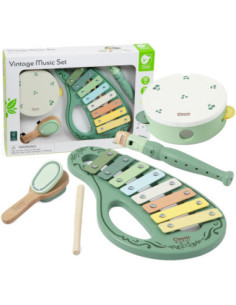

SKU: CW40579


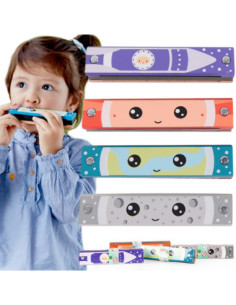

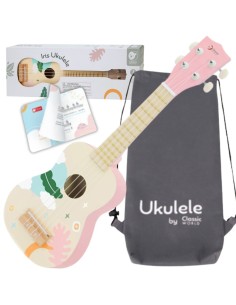
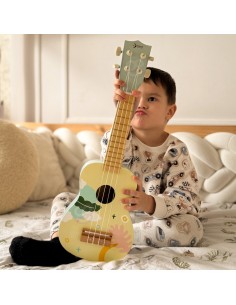
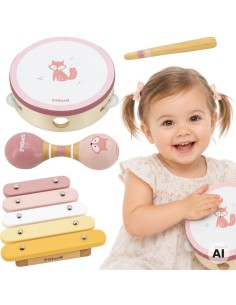
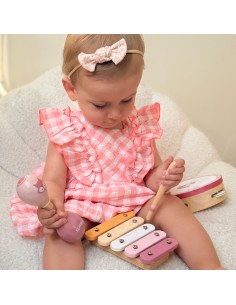
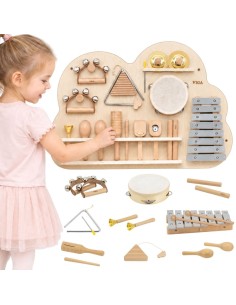

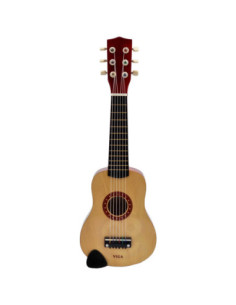
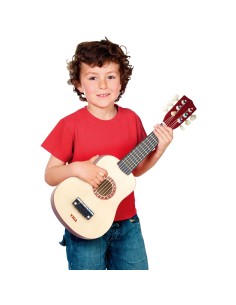
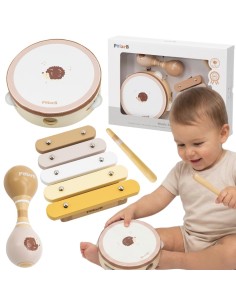
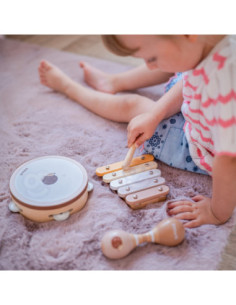
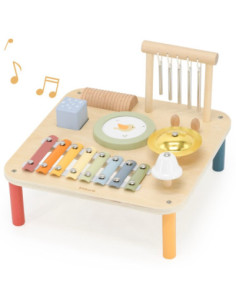
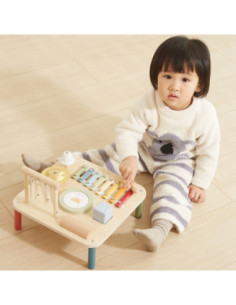


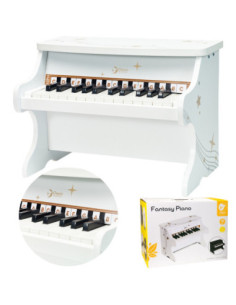

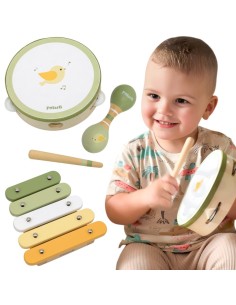
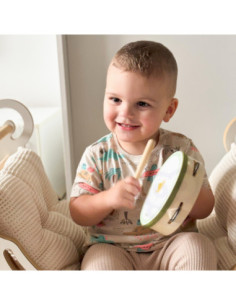

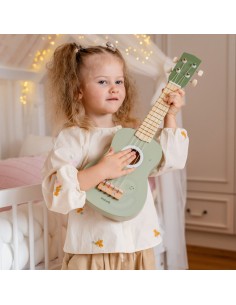
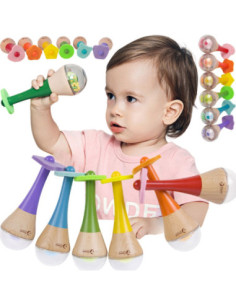
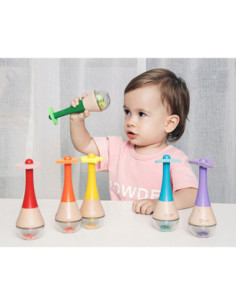
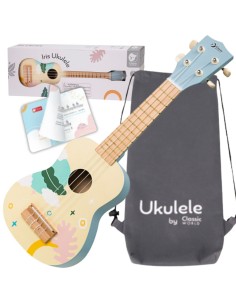
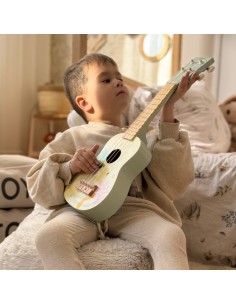
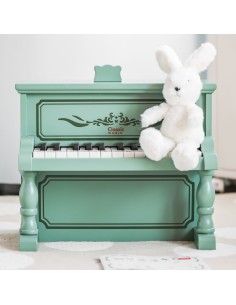


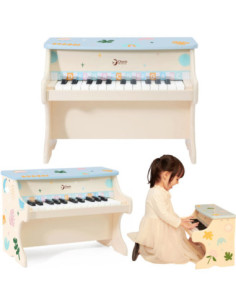

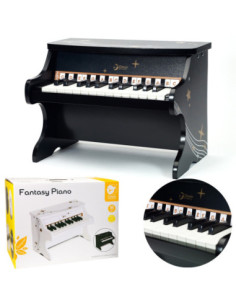
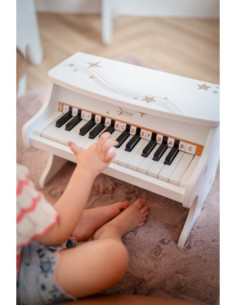


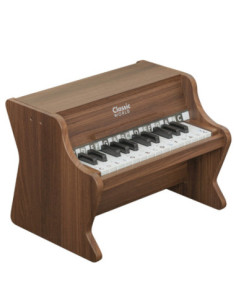

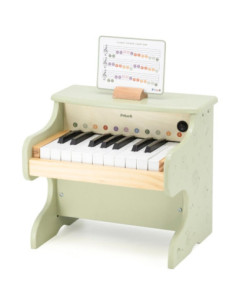
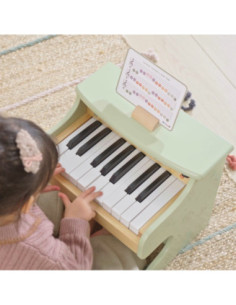
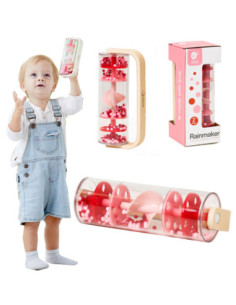
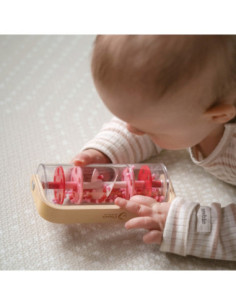
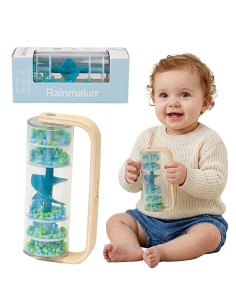
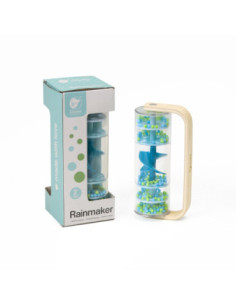
Children’s musical instruments are a category that combines play, learning and strong sales potential in one product group. For B2B buyers, this is an especially attractive assortment because it is easy to present in online stores, on marketplaces and in seasonal campaigns aimed at parents, preschools and gift shoppers. In this category you can build a clear, easy-to-browse offer that includes simple rhythm toys, percussion sets, keyboards, sound-making accessories and other products that encourage children to explore music through play.
The biggest advantage of musical toys is their immediate effect. A child can produce sound right away, which increases engagement and makes the product easier to understand at the point of purchase. This is important for e-commerce, where the customer often makes a quick decision based on photos, short descriptions and the promise of a clear play experience. For resellers and distributors, this means a category with a fast-selling profile, strong gift appeal and broad usability across different sales channels.
Products in this category are popular because they satisfy several purchasing needs at once. Parents are looking for toys that entertain, support development and offer something more than passive play. Institutions such as preschools and activity centers value products that can be used in group settings, while online sellers appreciate items that are easy to present and easy to cross-sell. Musical instruments fit all of these expectations.
In practical terms, this means the category works well as part of a broader educational and creative assortment. It can be offered as a standalone group or combined with sensory toys, role-play items and products designed for creative development. For marketplace sellers, it is also a convenient range because the products are visually appealing and naturally lend themselves to short, conversion-oriented descriptions.
Children’s musical toys should be selected with the user’s age, motor skills and level of curiosity in mind. Some products are intended for first contact with rhythm and sound, while others introduce more structured play, melody recognition or simple sequence learning. This gives you the flexibility to build a category that serves both younger children and those ready for slightly more advanced musical activity.
Entry-level items typically focus on ease of use: one movement, one sound, immediate feedback. More advanced products may offer multiple sound sources, keys, percussion elements or accessories that encourage repeated use. For the seller, this creates a natural upsell path. A customer who starts with a basic item may later return for a set or a more elaborate toy that extends the child’s musical experience.
When parents compare products in this category, they usually pay attention to a few practical elements. First is the way the toy sounds: clear, pleasant and not overly harsh. Second is the comfort of use: the instrument should be easy to hold, easy to operate and stable during play. Third is the visual design, which should be attractive without being overwhelming. These are the details that help a product stand out in an online catalog and reduce hesitation at checkout.
For B2B partners, the most effective offer is one that translates these features into a clear purchasing argument. Instead of describing a toy only as a musical item, it is better to show how it supports everyday play, group activities, home entertainment and gift-giving. This approach works especially well on platforms where buyers compare multiple offers at speed and rely on concise product information.
Musical instruments for children perform well in online retail because they are easy to explain and easy to position. A customer can quickly understand the value of a toy that makes sound, supports rhythm and invites interaction. This shortens the path from interest to purchase. It also makes the category useful in seasonal promotions, especially around holidays, birthdays and gift-buying peaks.
On marketplaces such as Allegro, Amazon, Erli and Empik Marketplace, category success depends not only on price but also on content quality. Ready product descriptions, strong visuals and consistent stock data help sellers maintain a professional offer without spending excessive time on manual publishing. That is why this category is a good fit for B2B partners who rely on high turnover and fast assortment updates.
When the offer is organized logically, it becomes easier to bundle products into themes such as first musical toy, rhythm play, home concert set or preschool music activity. This makes it possible to create more appealing product groups and improve the visibility of related items in search results.
Good category structure has a direct impact on conversion. Shoppers browse faster when the assortment is divided by instrument type, intended age or play style. For example, separating percussion, keyboards and sound accessories helps customers find the right product more quickly. It also supports internal linking and creates a cleaner shopping journey for users who are not yet sure which type of toy they need.
Product photos should show the size, shape and use of the instrument as clearly as possible. Since many buyers choose musical toys as gifts, visual presentation matters almost as much as the product description. A well-prepared catalog should answer basic questions immediately: what sound the item produces, how the child interacts with it and why it is a good choice for home or group play.
For wholesalers and resellers, this category offers a balanced mix of emotional appeal and practical sales performance. Musical toys are often purchased on impulse, but they also work as planned educational purchases. This combination helps maintain demand throughout the year. The products are easy to recommend, easy to display and often have broad age relevance, which improves their usefulness in a varied B2B catalog.
Another advantage is the possibility of scaling the offer across multiple channels without changing the core message. A product that is attractive in a web store can also work well in a marketplace listing or a dropshipping offer. If your catalog is supported by XML integration and automatic stock and price synchronization, you can keep this category up to date with less manual work and fewer errors.
For many partners, the ability to publish ready-made descriptions and images is just as important as the product itself. It reduces time-to-market and allows new items to enter the sales flow more quickly. In a competitive environment, that speed can make a significant difference.
Children’s musical instruments are particularly well suited to multi-channel sales because the assortment can be reused across several platforms with minimal changes. Once the offer is prepared, it can be distributed to an online store, Allegro, Amazon, Erli or Empik Marketplace with consistent product data. This reduces the risk of discrepancies and helps maintain a uniform brand presentation.
Automation also matters when the category contains items with seasonal peaks or changing availability. By syncing prices and stock levels, you lower the risk of overselling and make inventory management more reliable. For dropshipping companies and active B2B partners, this is a practical advantage that supports smoother order handling and better customer experience.
As a result, the category is not only attractive from a merchandising perspective but also operationally efficient. It combines strong retail appeal with the kind of product data structure that supports fast publishing, catalog maintenance and scalable sales processes.
Musical play is often chosen because it gives children a chance to explore sound, rhythm and cause-and-effect relationships in a natural way. This makes the category useful not only for general entertainment but also for supporting sensory engagement and early development. For some children, musical toys can be especially valuable as part of play that encourages attention, coordination and interaction with the environment.
That developmental dimension is useful in sales communication, as long as it is presented in a simple, practical way. Buyers respond well to toys that feel meaningful and versatile, particularly when the product can be used at home, in educational settings or during group activities. It gives the category broader relevance and helps justify purchase decisions in both retail and institutional contexts.
Children’s musical instruments are a versatile category with strong commercial potential. They are easy to understand, visually appealing and suitable for a wide range of sales channels. For online stores and trade partners, they offer a reliable combination of gift value, educational appeal and repeat purchasing potential. The assortment can be expanded gradually, grouped logically and promoted effectively with ready images, descriptions and synchronized product data.
If you are building a multi-channel offer, this category gives you a practical foundation for efficient publishing and stable sales. With XML integration, price and stock synchronization, and support for dropshipping or marketplace operations, musical toys can become a well-managed part of a broader B2B toy assortment. They are simple to present, attractive to buyers and easy to scale across your sales channels.